Info

Dror Garti, photo-journalist, born in 1971 in Jerusalem, Israel. Dror started his career on a long photographic journey to New-Zealand and Australia. When he returned he decided to focus on the documentary genre as his main passion. He started his career working for local news-papers in the Reshet Shoken network and then moved to work for various magazines. He is involved in documenting diverse communities in Israel - the settlers in Bat-Ayin, the ultra-orthodox Jews in the Hassidic courts, foreign Chinese workers and more. Dror works today for few photo agencies including Hoogte Hollandse (Holland), COSMOS (France), INA (Sweden) and Flash90 (Israel).

Contact

For assignments, licensing and exhibitions:

drorgarti@gmail.com

Talks and lectures ↓

Talks

Dror gives illustrated talks on his long-term documentary projects, for audiences of all kinds.

  1. The Ultra-Orthodox

    Based on the story Ultra-Orthodox · In Hebrew

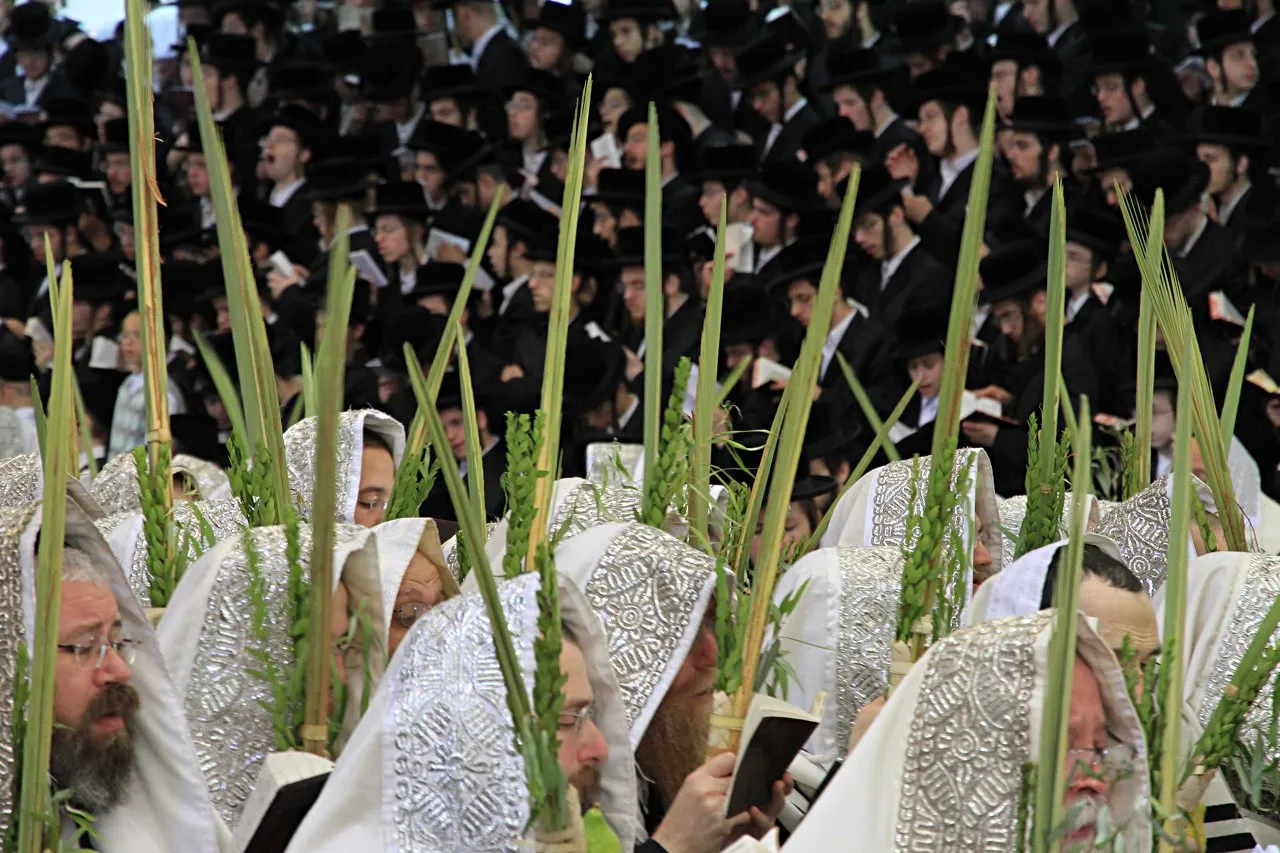
    Why do Hasidim fill a children's paddling pool in the courtyard of the study house? Where would you find young married yeshiva scholars sitting in a small room with needles in their hands? And who takes lashes from a donkey-hide whip?

    The ultra-Orthodox world is made up of many factions and Hasidic courts: groups that sometimes act together and sometimes are openly at war with one another. Each court lives in a closed world where, beyond the commandments of the Torah, ancestral customs and rituals are kept that an outsider would not understand. In Mea Shearim and the neighbouring ultra-Orthodox quarters, the Haredim chose to live in a self-contained "shtetl", as if time had stood still.

    Dror has documented the ultra-Orthodox world for several years and spent a great deal of time inside the different Hasidic courts. The talk reveals rituals and unusual stories, with photographs from a fascinating world most of us don't know.
  2. Road of Bones: A Winter Journey to Siberia

    Based on the story Road of Bones · In Hebrew

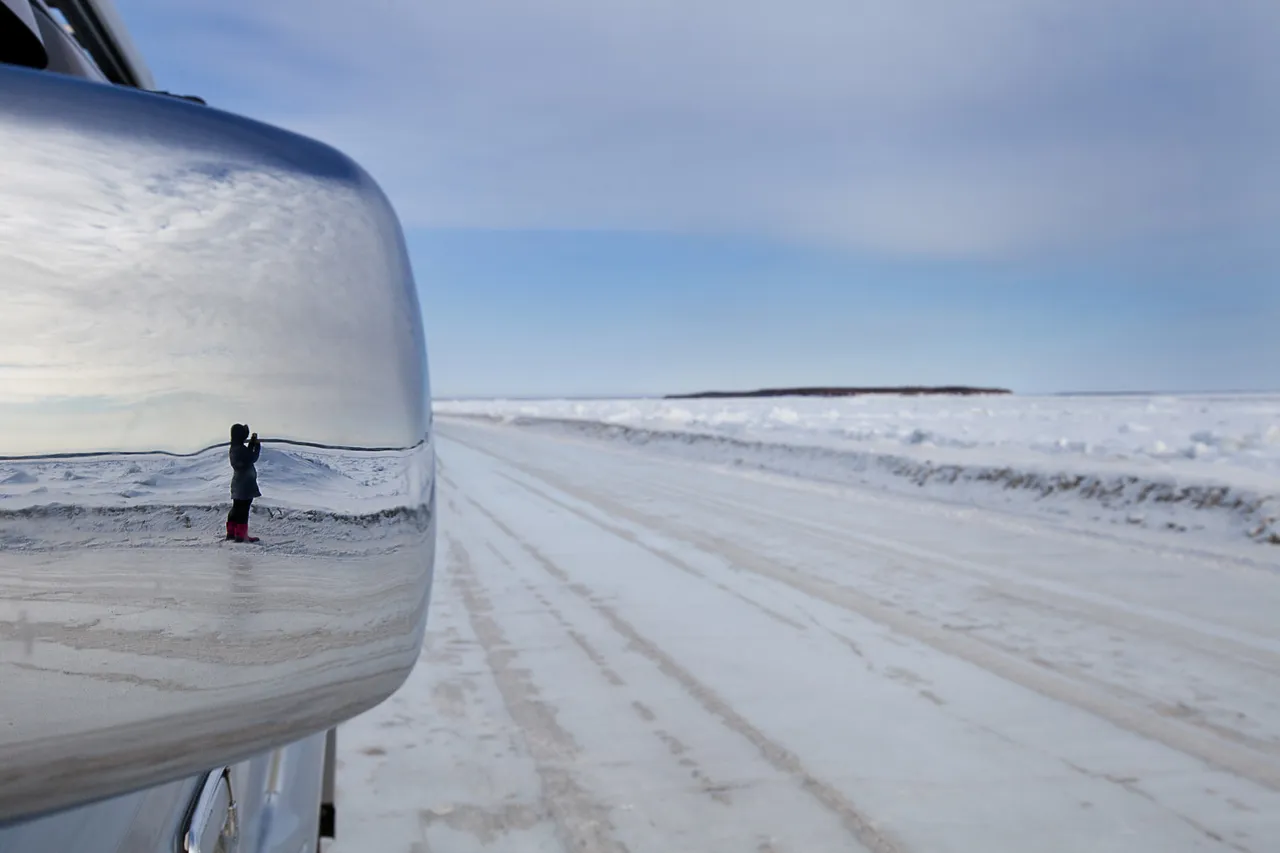
    Nearly 30 million people passed through the labour camps of the Soviet Gulag, and millions of them were killed. The deportations to the Gulag were driven by Stalin's notorious industrialisation plan and its demand for cheap labour. Many camps were concentrated in the south of eastern Siberia, along a road some 3,000 km long that the prisoners built in brutal conditions. It is called the "Road of Bones" after the prisoners who died building it, whose bodies were buried in the roadbed as it was laid.

    The talk brings photographs and stories from the frozen road: abandoned mining towns, ghost villages suspended between night and day, and the life of the villages on the plains of some of the most extreme cold on Earth.

  3. Ultra-Orthodox at Work

    Based on the story Ultra-Orthodox at Work · In Hebrew

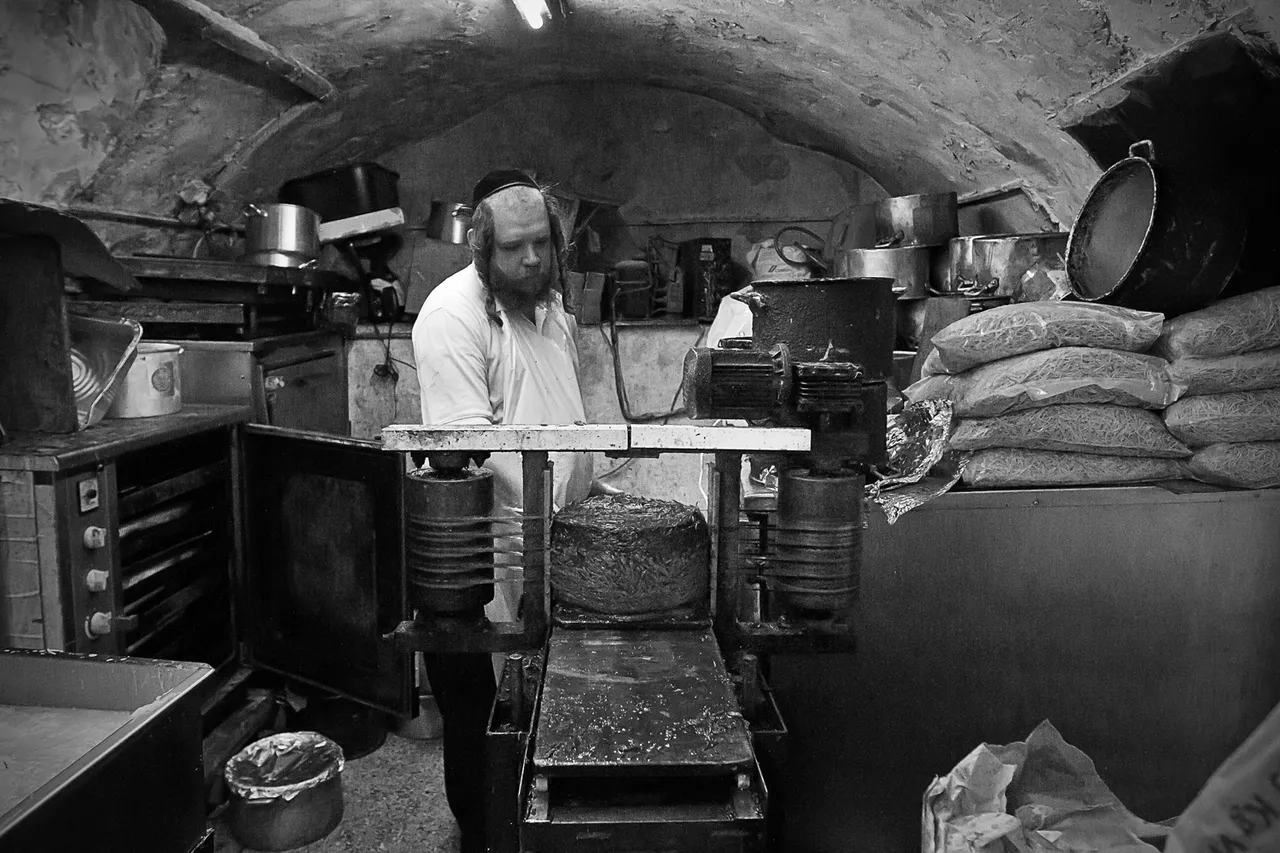
    On one of my many visits to the dim workshops of Jerusalem, I found a machine I had never seen before: a hybrid of a drill and an exercise bike… Elsewhere I watched a young Haredi man rolling an industrial barrel with his feet for almost two weeks. What do these have in common? Many people complain that the Haredim don't work, but anyone who looks closely will be surprised to find many unusual craftsmen working in trades tied to the Jewish world. Despite modern technology, many stay loyal to methods that were used decades ago, and of course to halacha, which sometimes creates serious complications.

    Dror documented the ultra-Orthodox world for two years and spent a great deal of time inside the different courts. In this talk of about an hour and a half he tells unusual stories, with photographs from a fascinating world most of us don't know.
  4. Alternative Israel

    Based on the story Alternative Tel-Aviv · In Hebrew

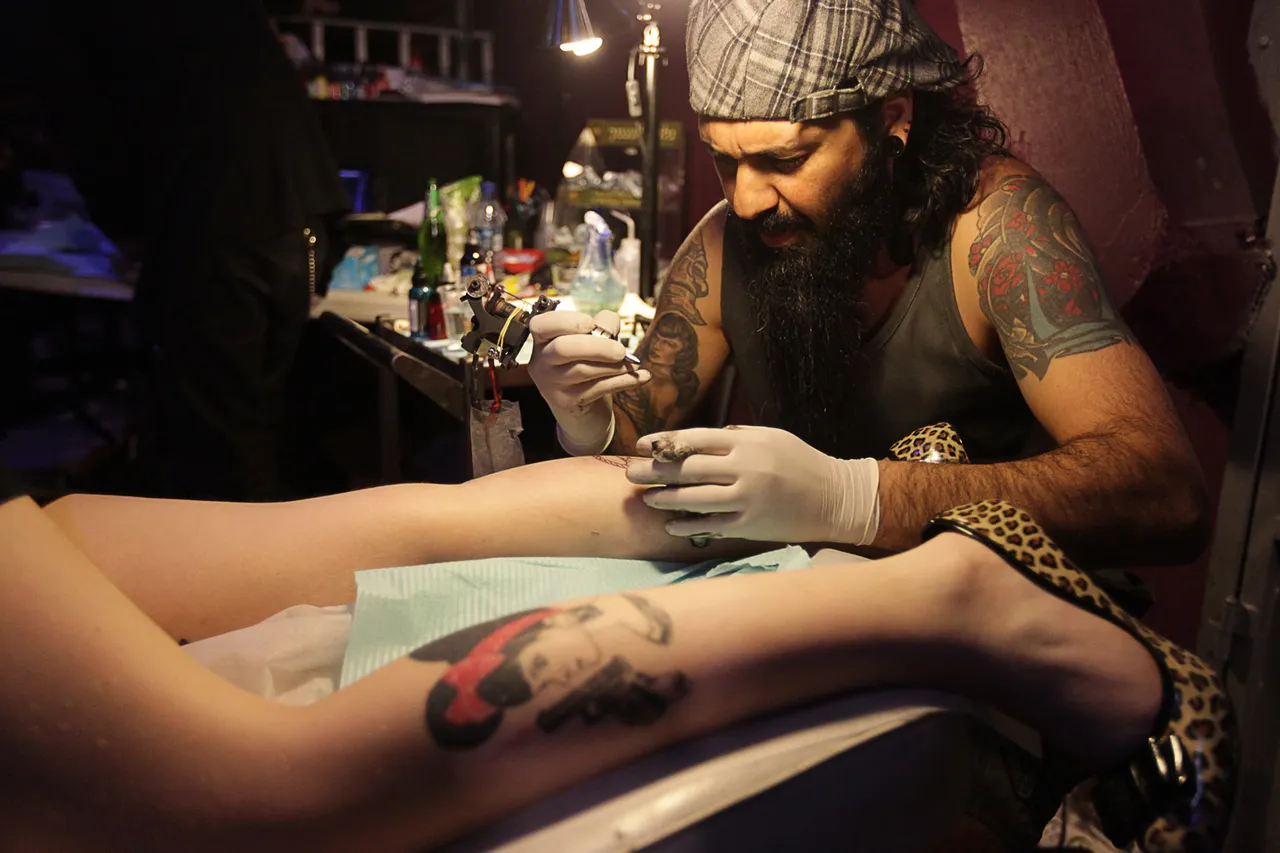
    What makes people at a Tel Aviv club put a large metal hook through their body? What is a party that runs for three days straight, attended by the top of the high-tech world? And why do some four hundred people meet in the middle of the desert to breathe dust and burn art installations?

    Israel is a multicultural country made up of many different groups, some of them unusual and hidden from public view: from Tel Aviv clubbers, through extreme exhibitionists, to gamers who play computer games to the point of exhaustion.

    For several years Dror has followed unusual worlds that exist right in our backyard and yet stay hidden. The talk brings stories and photographs of an Alternative Israel most of us don't know.

  5. Mysteries of the Samaritans

    Based on the story Samaritans · In Hebrew

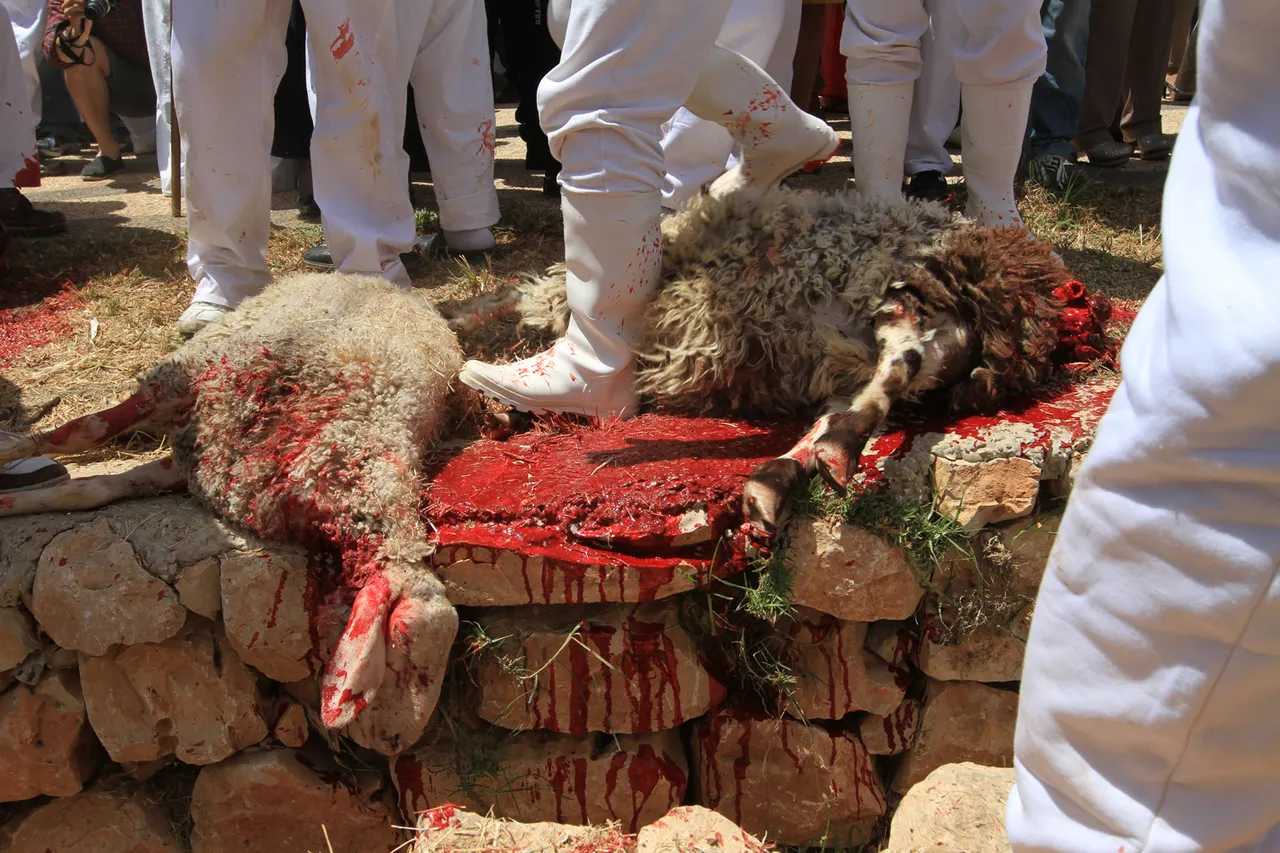
    Why does every Samaritan home have four hooks fixed to the ceiling? Why do Samaritan children roll on the ground before the Passover meal, with a red dot on their foreheads?

    The Samaritans, in their own view "the keepers of the Torah of Moses", number about 400 people today. Half the community lives in the city of Holon and the other half in Kiryat Luza, on the outskirts of Nablus (Shechem). Some of their customs recall Jewish ones and some differ significantly, such as the question of where the Temple truly stood. Are the Samaritans the "pure Israelites"?

    For about two years Dror accompanied a Samaritan family as one of the household and documented the community's unique world, its holidays and customs. The talk reveals unusual stories, with photographs from a small community most of us don't know.

More talks

Exhibitions and awards

  • Participation in FOOD PROCESSOR III 2016 photo exhibition, Tel-Aviv
  • Participation in PHOTO FAIR 2015 exhibition, Tel-Aviv
  • 1st prize in the photo contest, and exhibition "Touch the Light", New Acropolis, Tel-Aviv
  • Participation in EXPOSURE 2013, photo exhibition, New-York
  • Participation in THE ARCHIVE magazine exhibition, Tel-Aviv
  • Particiaption in URBANICA 2013, photo exhibition, Tel-Aviv
  • Participation in PHOTO FAIR 2013, Tel-Aviv
  • "Local Testimony" (Edut Mekomit) 2011, Israeli photojournalism contest
  • "The Making of Tefillin" - a photo reportage work published in various magazines (Flash90)
  • KTANIM, solo photo exhibition, Modi'in
  • Pariticpation in 100 YEARS to TEL-AVIV, 2011, photo exhibition, Tel-Aviv
  • Participation in LET THERE be WATER, 2011", photo exhibition, Modiin
  • "Backgammon" - series of photos from Israeli game parliaments exhibited at the Ozarot BaHoma Museum in Acre
  • Etnographic portfolio and books uploaded to the Israel Museum archive center

Publications and TV

  • "The Archive" - an Israeli documentary journal. Numerous publications
  • "Ultra Orthodox Jews - The Traditional Way" - publication on Edge of Humanity magazine.
  • "Modiin-China" - a photo-essay about the Chinese workers living in Israel. Essay was published in the Reshet Shoken newspaper distribution
  • "Mr. Postman" - a photo-essay about a symbiotic connection between a unique postman and the complicated Argazim neighbourhood in Tel-Aviv. Published in Teva-Hadvarim magazine.
  • "Framing the Ultra-Orthodox Jews" - a photo-essay bringing forward a rich portfolio of the ceremonies and rituals in the Hasidik courts in Israel. Published in the photo journal Composition.
  • "Venice-2011" - a photo-essay about the masks carnival in Venice. Essay was published in the Reshet Shoken newspaper in a country wide distribution
  • "Pinnacles Desert" - a journey to South-Western Australia. Published in Teva-Hadvarim magazine and YNet
  • "Stuart Highway" - a cross-continent journey via one of Australia's most deserted roads. Published in Teva-Hadvarim magazine
  • "Sukkos with the Sameritans" - a vivid documentry piece of the Sameritans pilgrimage to the sacred Mount Grizim. Published in Teva-Hadvarim magazine
  • "Kol Haolam Kulo" - various photograph publications in the ultra-orthodox journal
  • "The Ultra-Orthodox Jews" - a documentry show in Channel 10 included photos from my portfolio
  • Various article in photography blogs - Analog Tale, Lens Baby, Ultra-Orthodox, etc.