Fagradalsfjall Volcano

Scroll

Dror Garti

Photojournalist

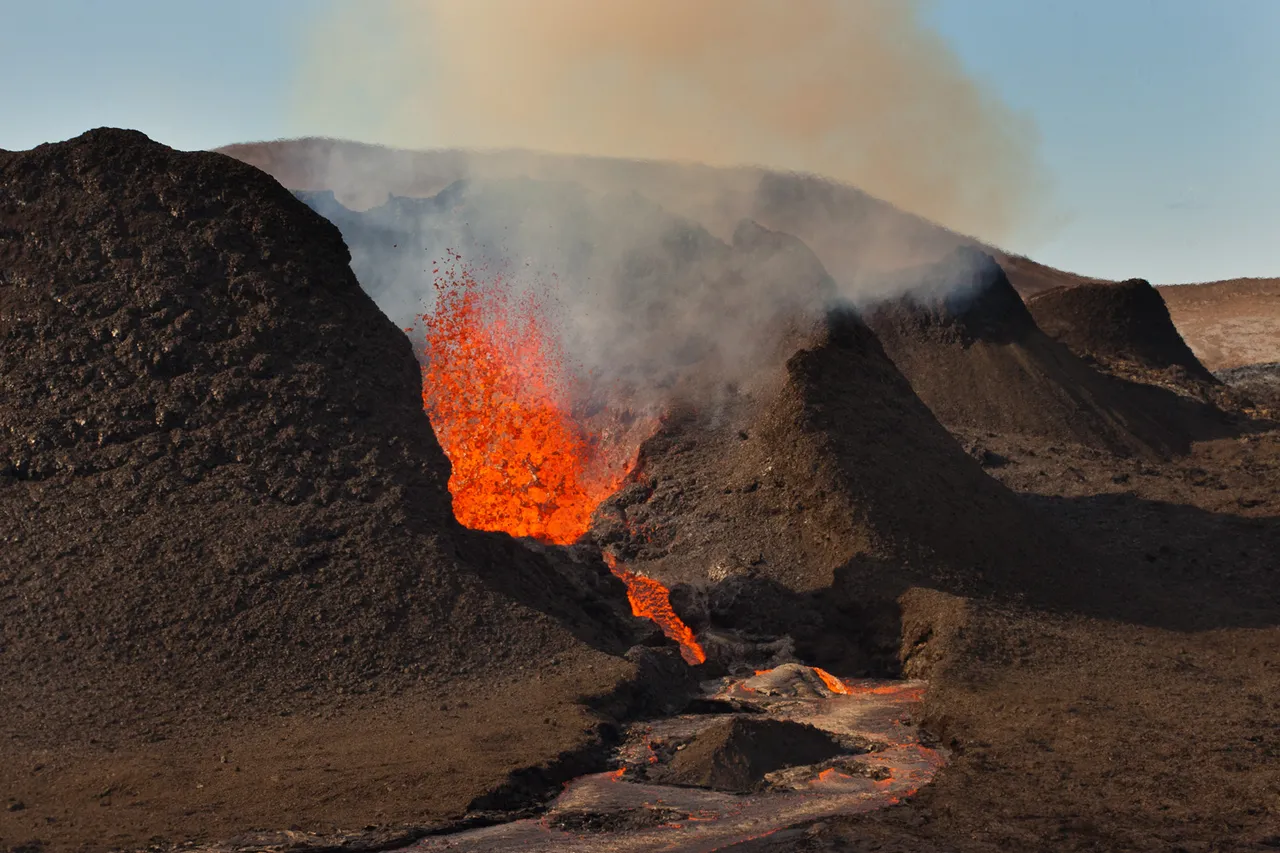
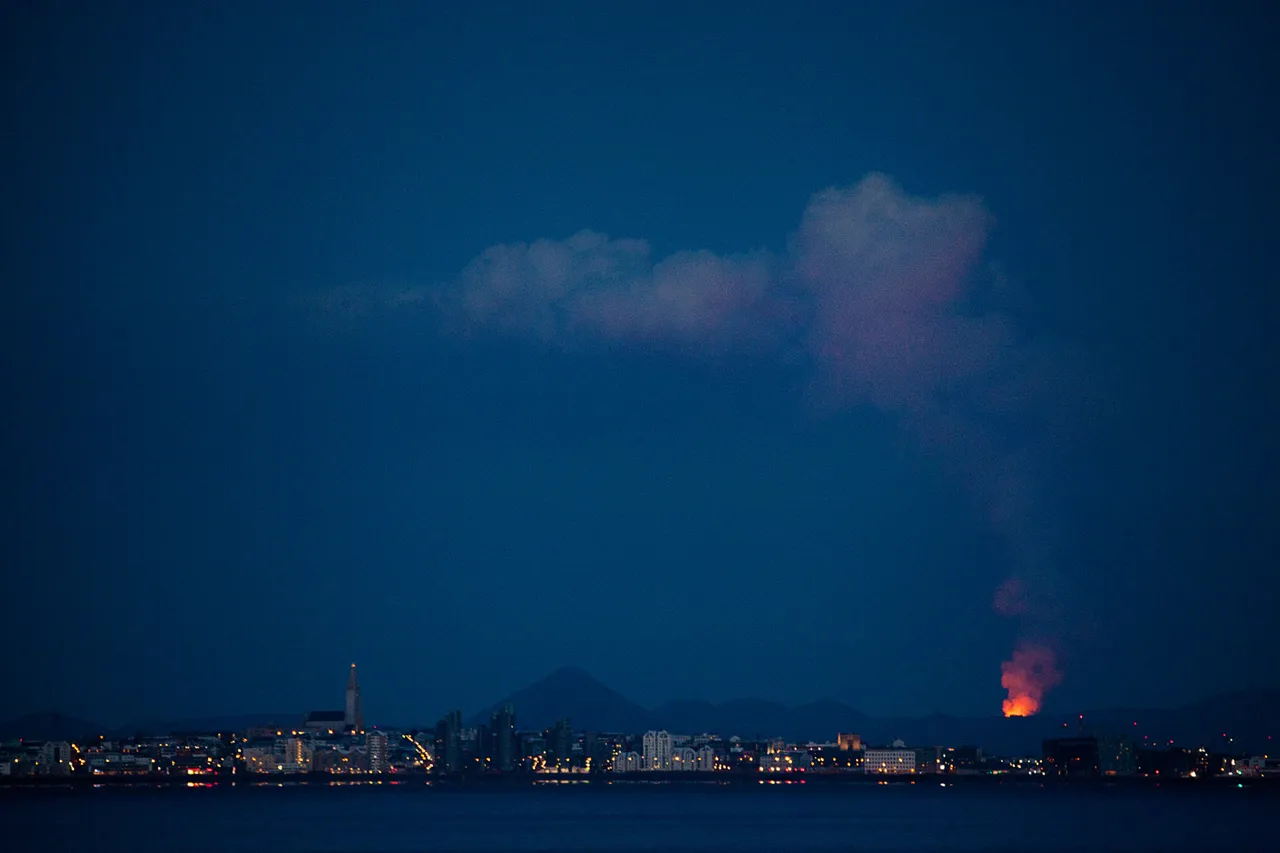
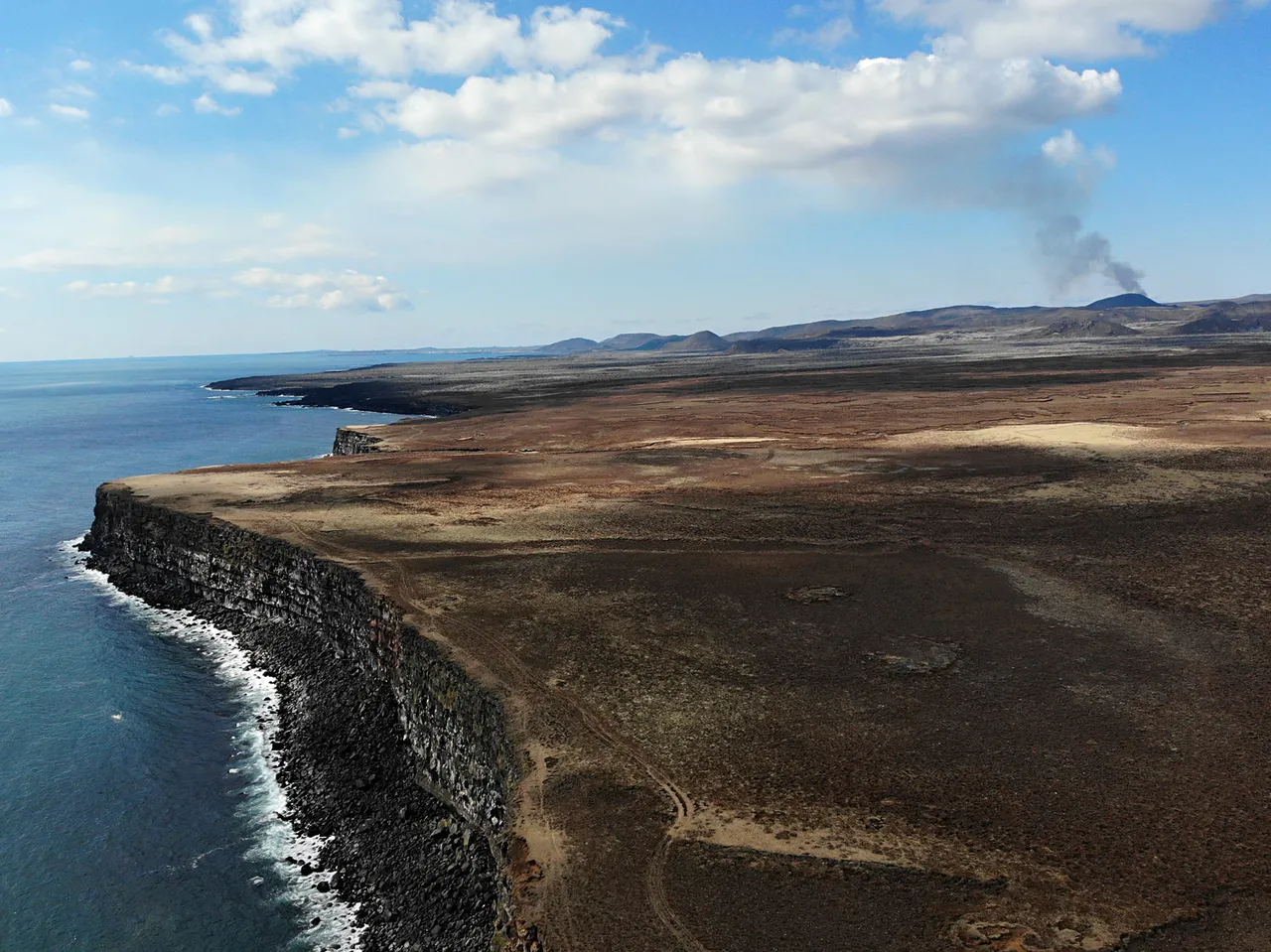
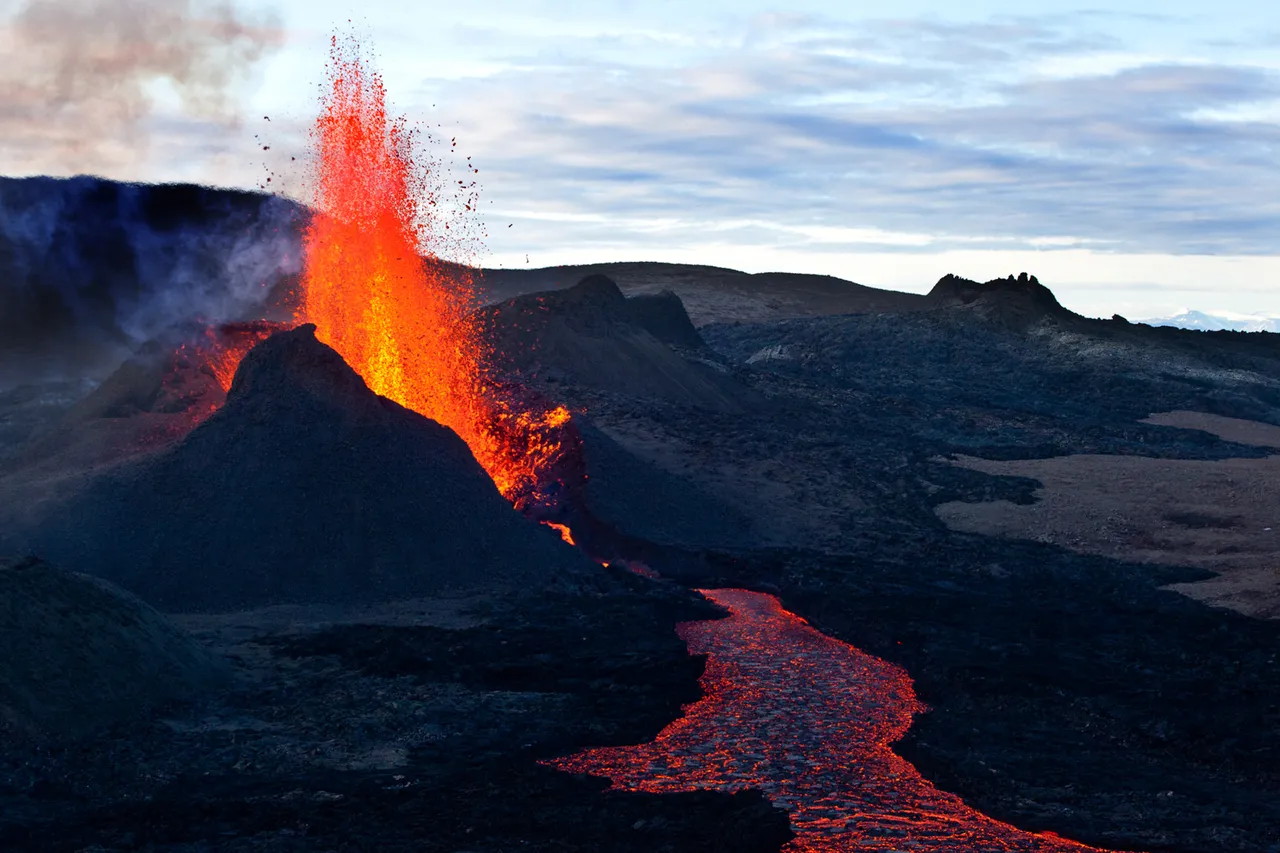
On 19 March 2021, an effusive eruption started at approximately 8:45 PM local time in Geldingadalir. A fissure vent, 600 meter long, began ejecting lava, which soon covered an area of approximately 1 square kilometer. The main crater has begun to form and rise. The site became a major attraction for the Icelandic people doing the long hike to view the spectacle. The eruption during the month of May was so intense that the glow from the hot lava spewing out of the Fagradalsfjall volcano was seen from the outskirts of Iceland's capital, Reykjavík, 32 kilometers away.
In the beginning of December 2019 and into March 2021, a swarm of 40,000 tremors and earthquakes rocked the Reykjanes peninsula, two of which reached magnitude of 5.6 in the Ric…
1/16In the beginning of December 2019 and into March 2021, a swarm of 40,000 tremors and earthquakes rocked the Reykjanes peninsula, two of which reached magnitude of 5.6 in the Richter scale. Geologists understood then that a close eruption was imminent.
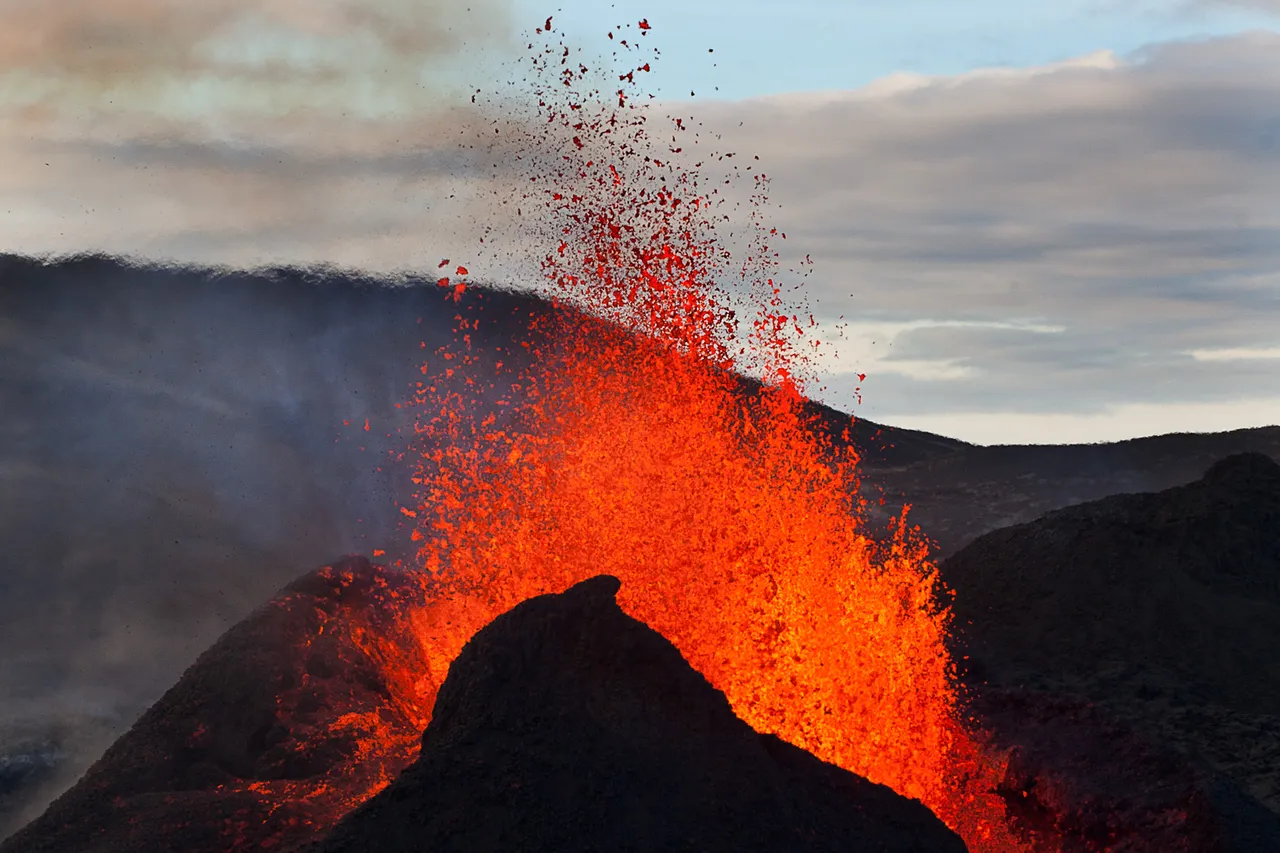
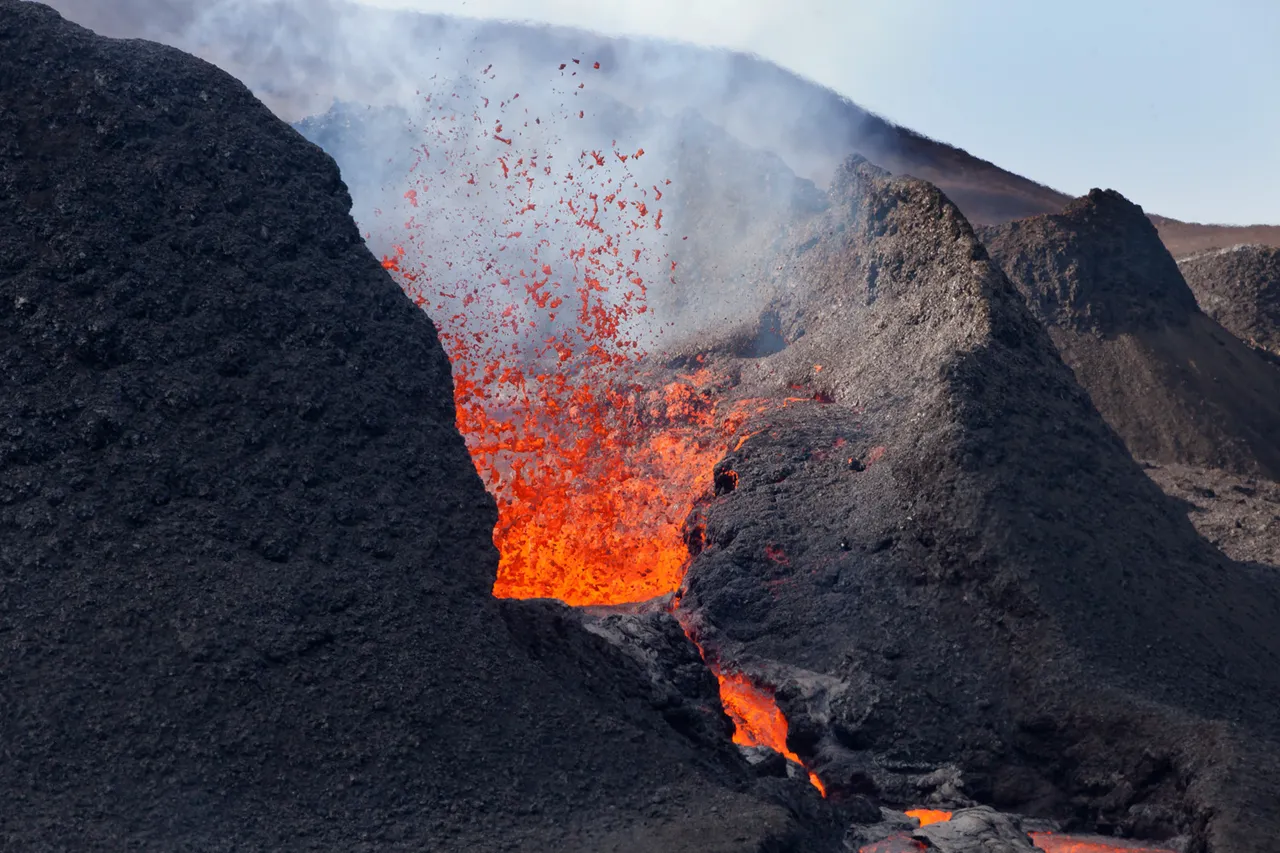
On March 19 2021, an effusive eruption started at approximately 8:45 PM local time in Geldingadalir ("gelding valleys").
2/16On March 19 2021, an effusive eruption started at approximately 8:45 PM local time in Geldingadalir ("gelding valleys"). Reports state a 600 meter long fissure vent began ejecting lava, which covered an area of less than 1 square kilometer. The main crater has begun to form and rise.
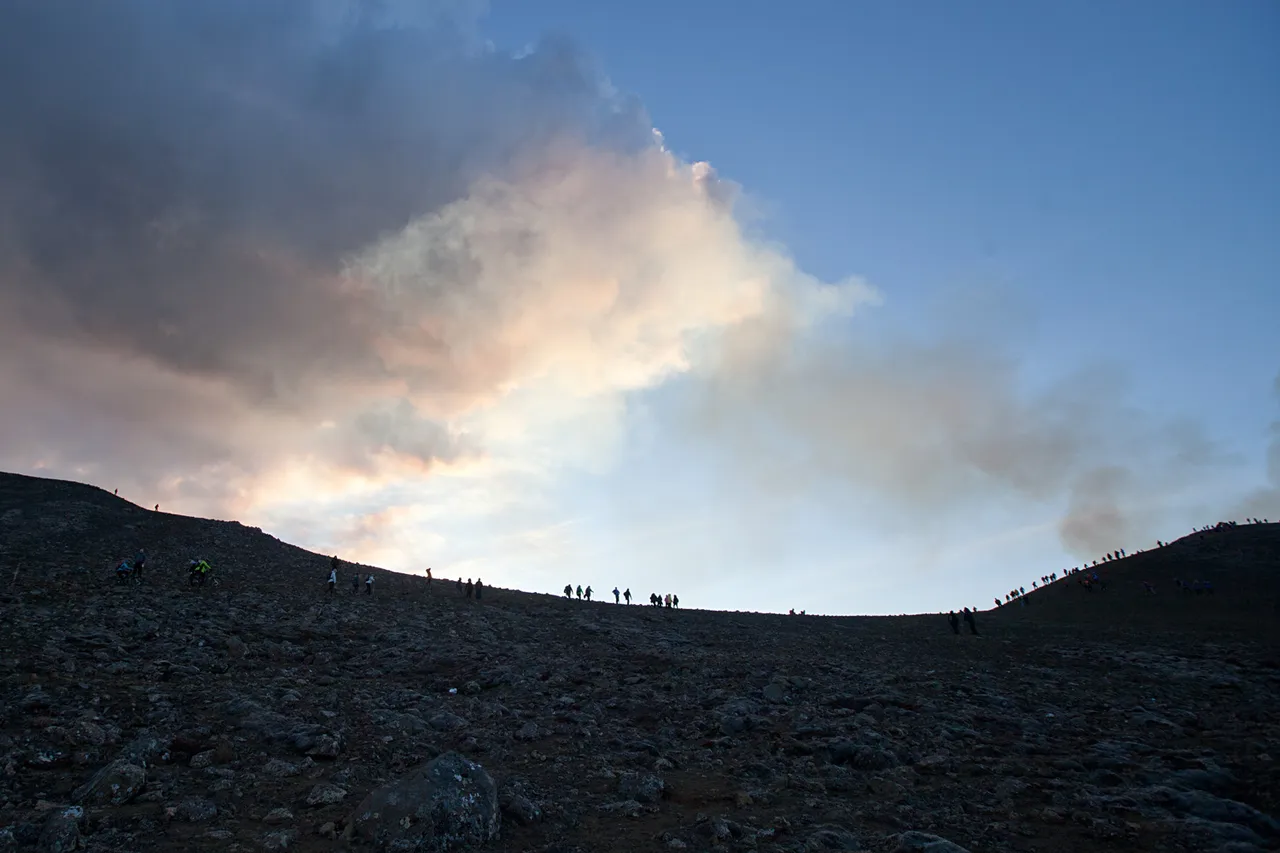
Although it's not the first time a volcano erupts in Iceland, many of the Icelandic people are excited and proud of the new volcano and are doing the long 3-4 hours hike to view…
3/16Although it's not the first time a volcano erupts in Iceland, many of the Icelandic people are excited and proud of the new volcano and are doing the long 3-4 hours hike to view the spectacle.
Fagradalsfjall Volcano, photograph 4
4/16
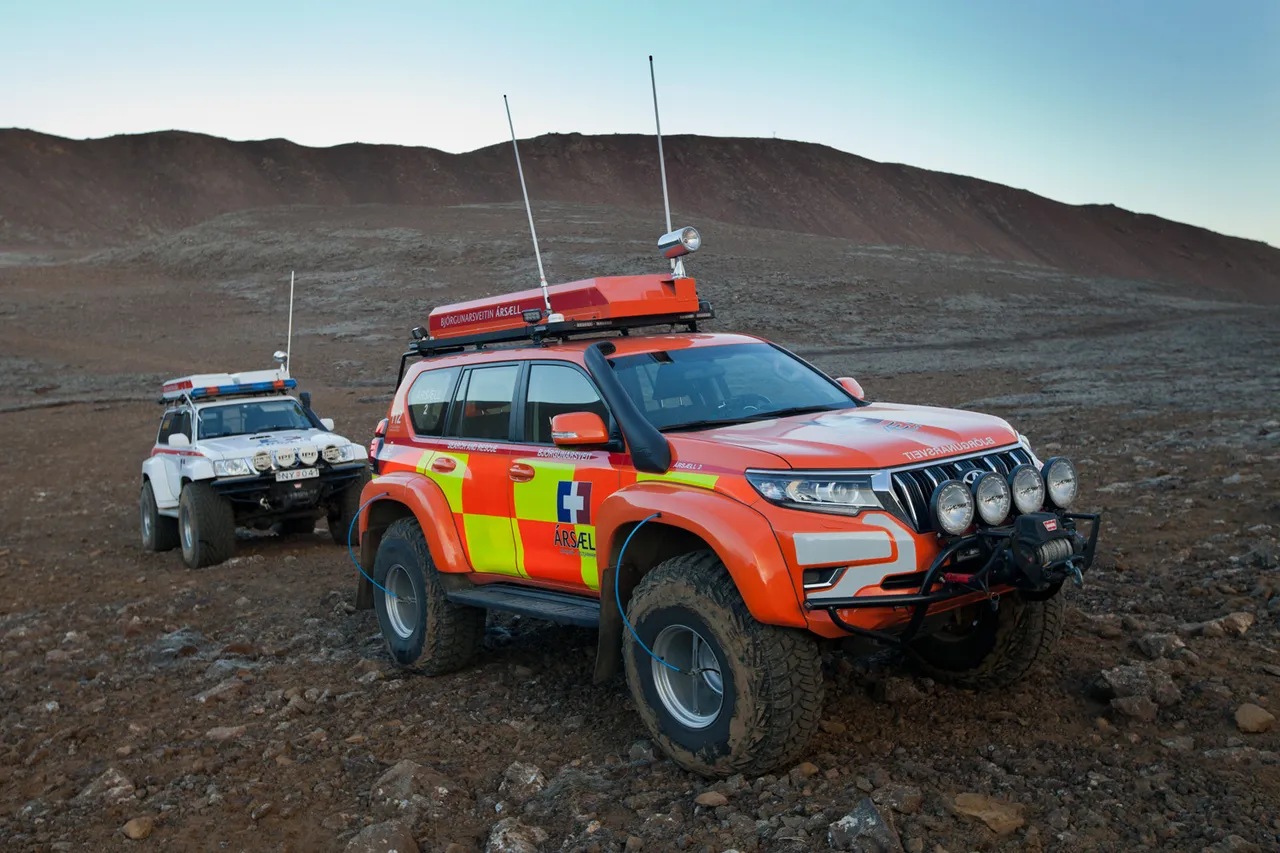
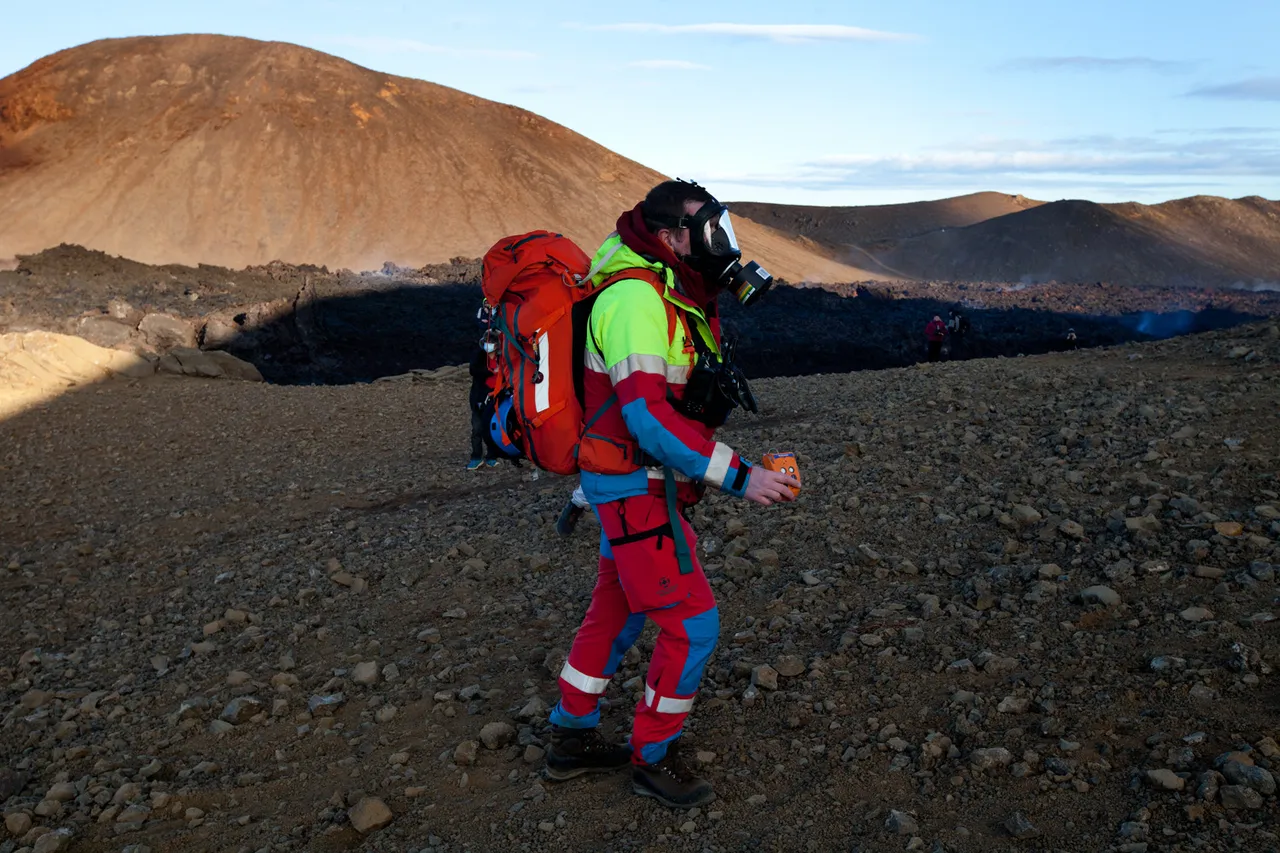
Teams from ICE-SAR (Icelandic Association for Research and Rescue) and Ársæll (Search and Rescue squads) are constantly present in the volcano surroundings, measuring gas pollut…
5/16Teams from ICE-SAR (Icelandic Association for Research and Rescue) and Ársæll (Search and Rescue squads) are constantly present in the volcano surroundings, measuring gas pollution and tracking the lava flow progress. They use super-jeeps to travel across the difficult terrain.
Volcanic gases such as carbon dioxide, carbon monoxide and sulfur dioxide are constantly emited into the air.
6/16Volcanic gases such as carbon dioxide, carbon monoxide and sulfur dioxide are constantly emited into the air. The Icelandic crews are measuring them, as well as the wind strength and direction, and if they detect high levels of volcanic gases, they mark some areas inaccessible.
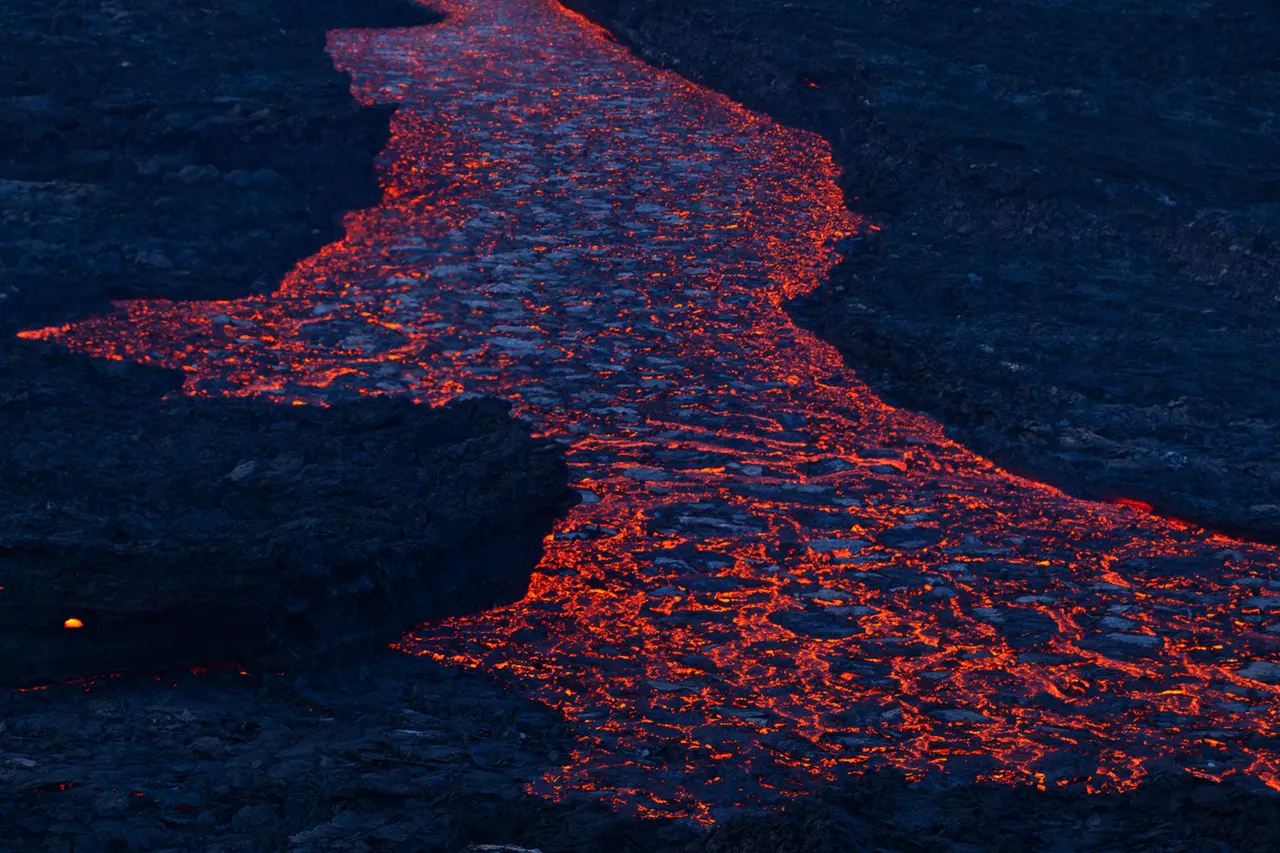
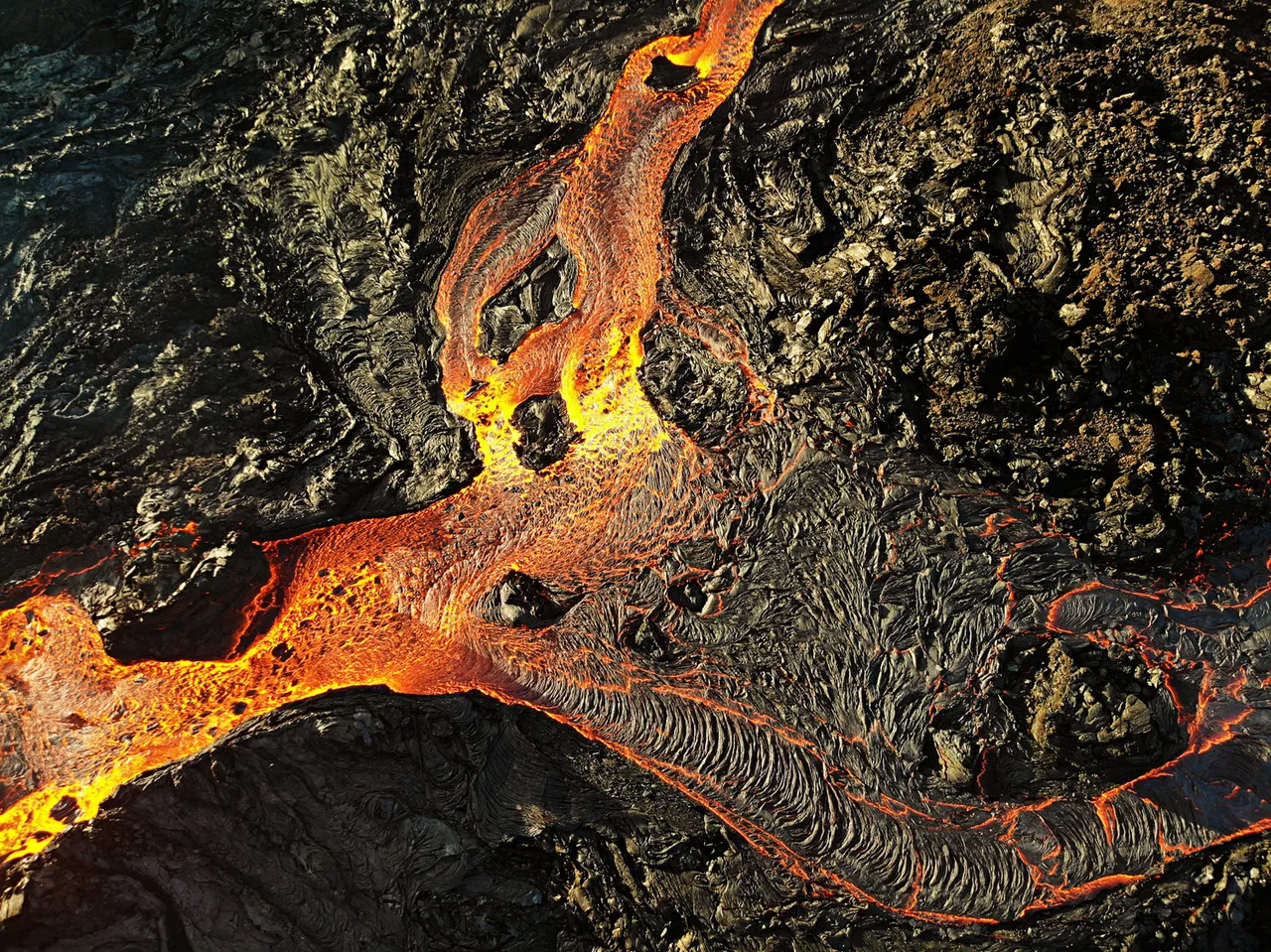
The lava flow creates a lava river which is few hundred meters wide.
7/16The lava flow creates a lava river which is few hundred meters wide. The heat keeps the molten rock from ever fully solidifying. Currently, the lava flows pose no threat to residents, as the area is mostly uninhabited, but Icelandic crews started constructing obstacles in the southern part of the area to try and redirect the lava so it does not reach road number 1.
Fagradalsfjall Volcano, photograph 8
8/16
Fagradalsfjall Volcano, photograph 9
9/16
A view from a height of 50 meters showing the massive lava flow, as well as lava waterfalls (seen in the center of the photo).
10/16A view from a height of 50 meters showing the massive lava flow, as well as lava waterfalls (seen in the center of the photo).
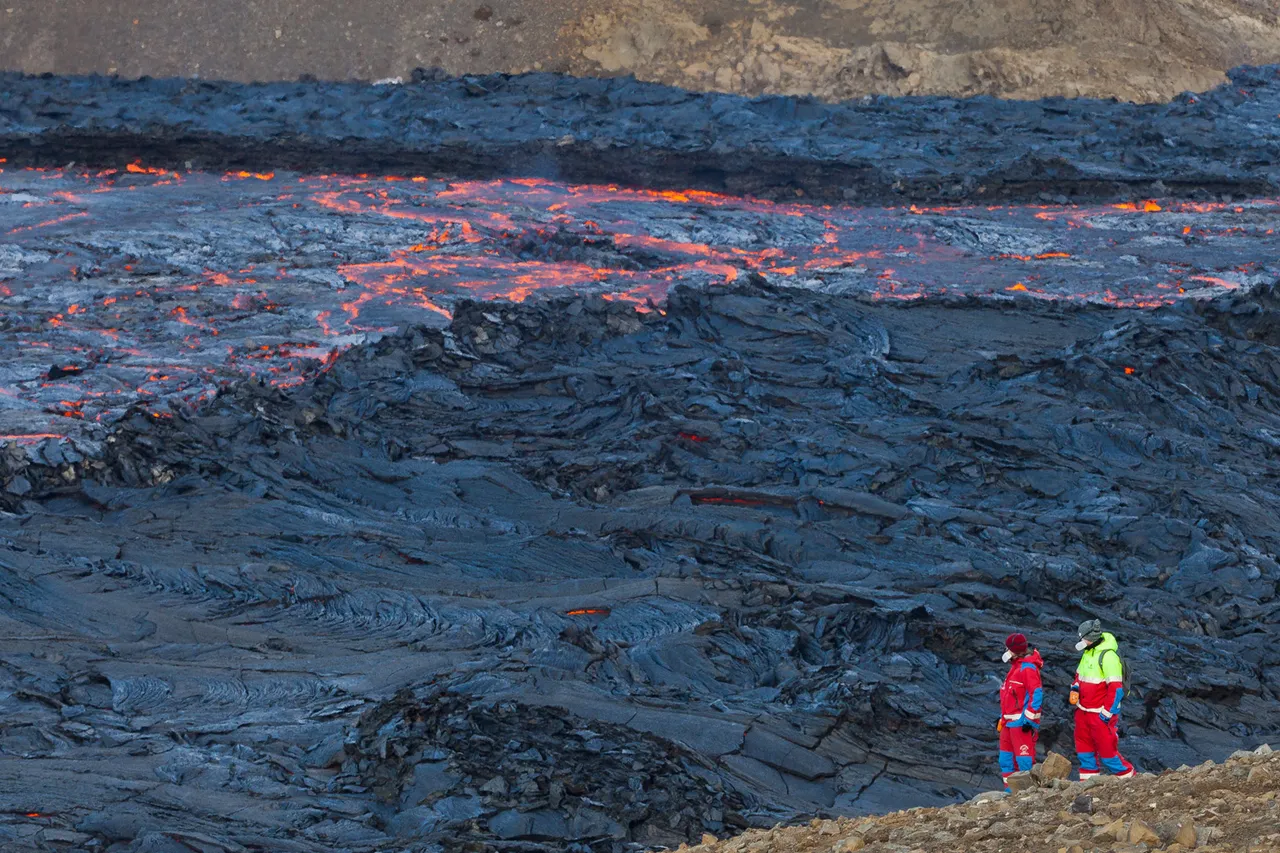
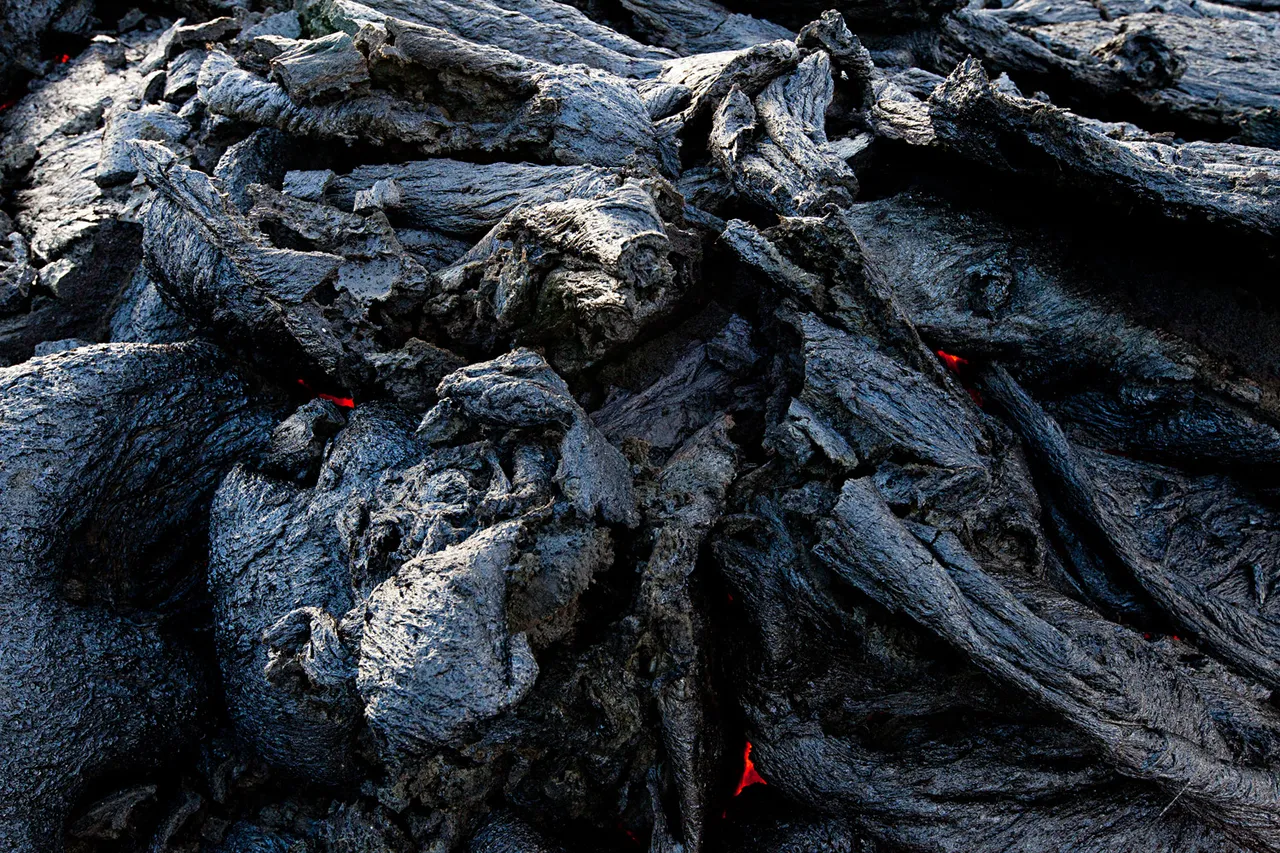
This is the edge of the already vast lava field emerging from Fagradalsfjall volcano; Burning rock still glows emphasizing the heat of the eruption.
11/16This is the edge of the already vast lava field emerging from Fagradalsfjall volcano; Burning rock still glows emphasizing the heat of the eruption. As this new rock cools from the outside in, it will contract and form subterranean tunnels, which in the future may allow lava caving tours beneath this new landscape.
Pandemic or no pandemic, the world will never stand still.
12/16Pandemic or no pandemic, the world will never stand still. That's perhaps no clearer than in Iceland where the Fagradalsfjall volcano has awoken from a slumber that has lasted 6,000 years.
Fagradalsfjall Volcano, photograph 13
13/16
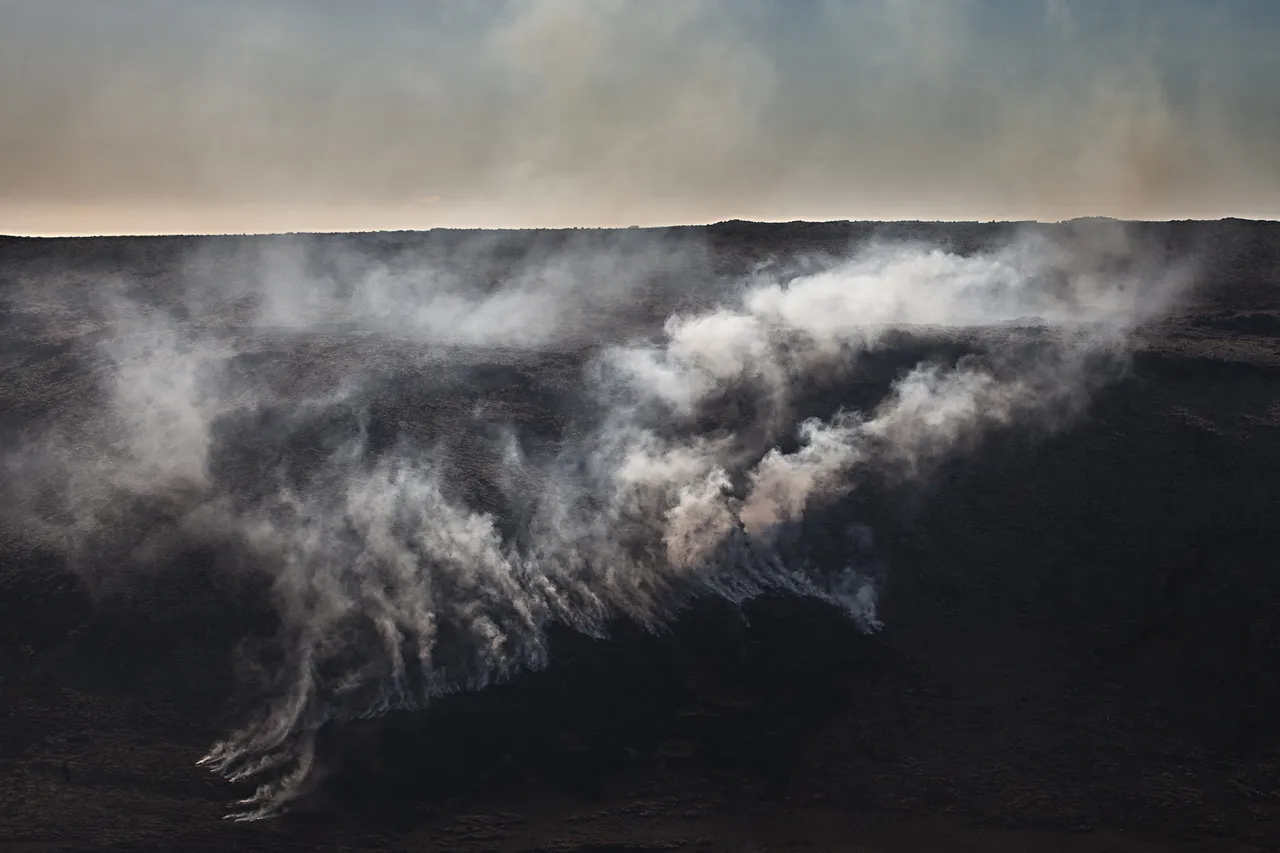
The area surrounding the volcano is mostly covered with vast moss fields.
14/16The area surrounding the volcano is mostly covered with vast moss fields. The volcanic burning ash emitted from the volcano lands in these moss fields, causing fires.
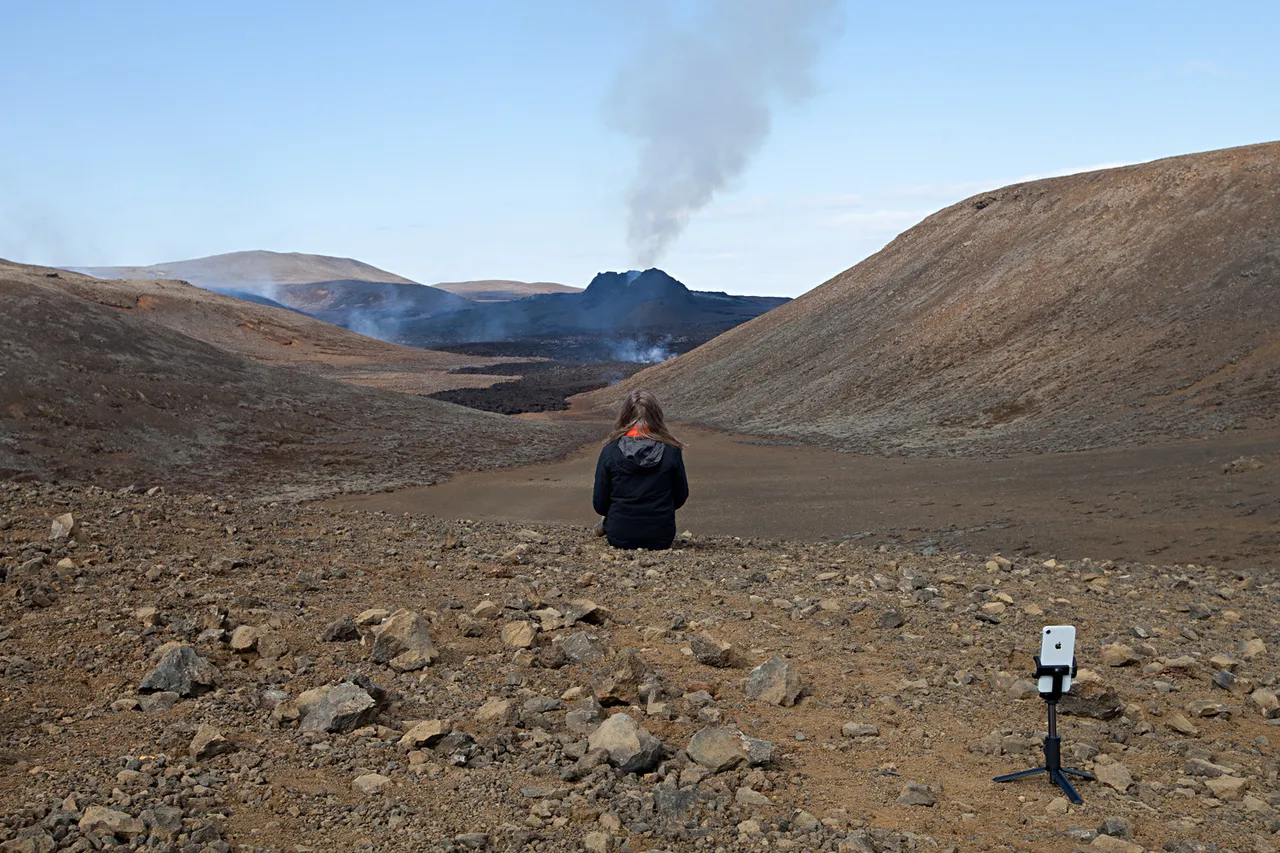
A woman watches the volcano, photographing herself, waiting for the lava pressure to build up and erupt.
15/16A woman watches the volcano, photographing herself, waiting for the lava pressure to build up and erupt.
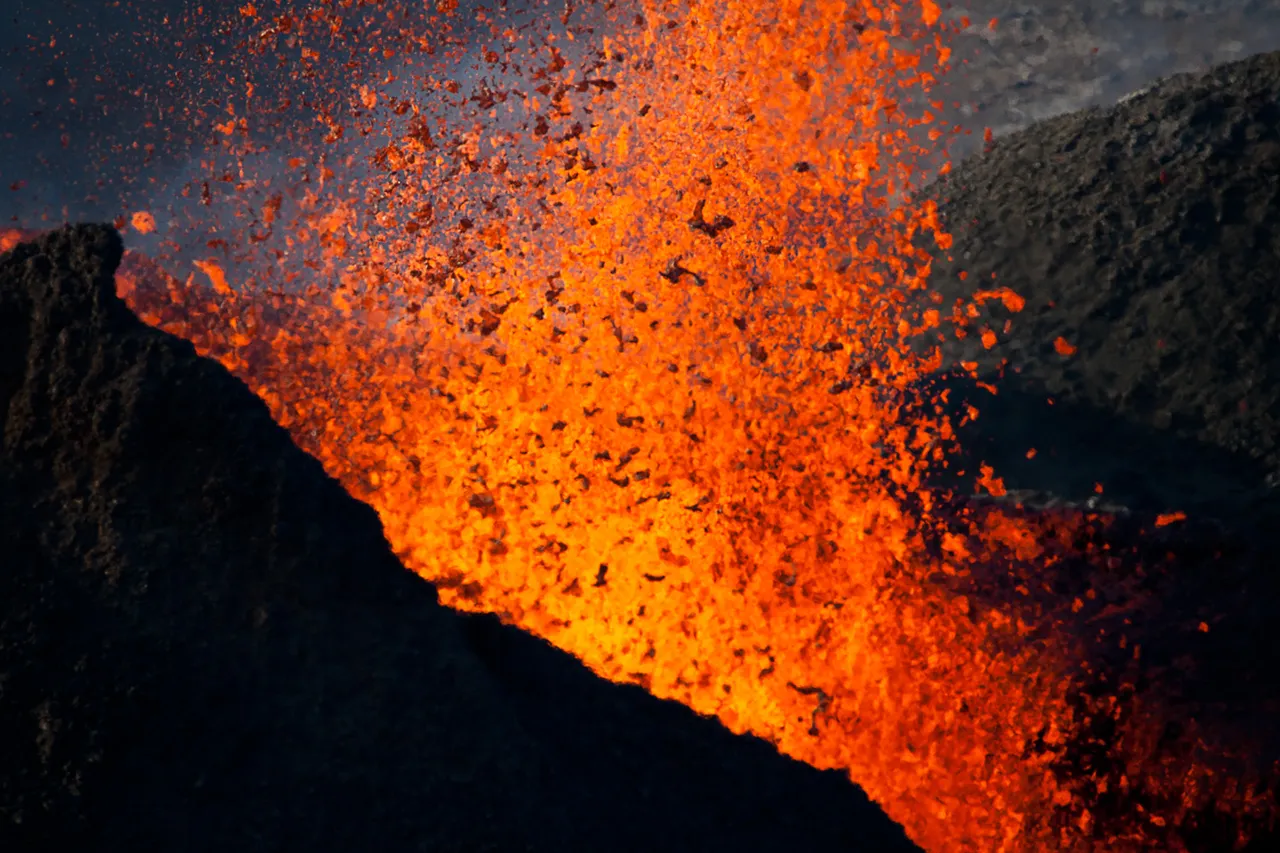
The glow from the bubbling hot lava spewing out of the Fagradalsfjall volcano can be seen from the outskirts of Iceland's capital, Reykjavík, which is about 32 kilometers (20 mi…
16/16The glow from the bubbling hot lava spewing out of the Fagradalsfjall volcano can be seen from the outskirts of Iceland's capital, Reykjavík, which is about 32 kilometers (20 miles) away.