Ultra-Orthodox at Work

Scroll

ULTRA-ORTHODOX JEWS @ WORK

Many unorthodox people in Israel criticize the Ultra-Orthodox Jews for not being part of the labor market. A deeper look tells a completely different story. Visiting the various communities of the Ultra-Orthodox Jews in Israel reveals some very unique workers and craftsmen. These vary from those who have a very physical job to those who require stamina and dexterity. There are teachers and cooks, buriers and tanners, as well as Torah books writers and Tefillin makers. What unifies them all is that they practice their crafts with deep Jewish belief and great religiosity. Most of them practice their crafts in a traditional way, exactly like it was done by their fathers and grandfathers for hundreds of years, not utilizing electricity and technology to the task. The photos were taken over a 2-year period in the cities of Jerusalem, Bnei-Brak and Beit-Shemesh.
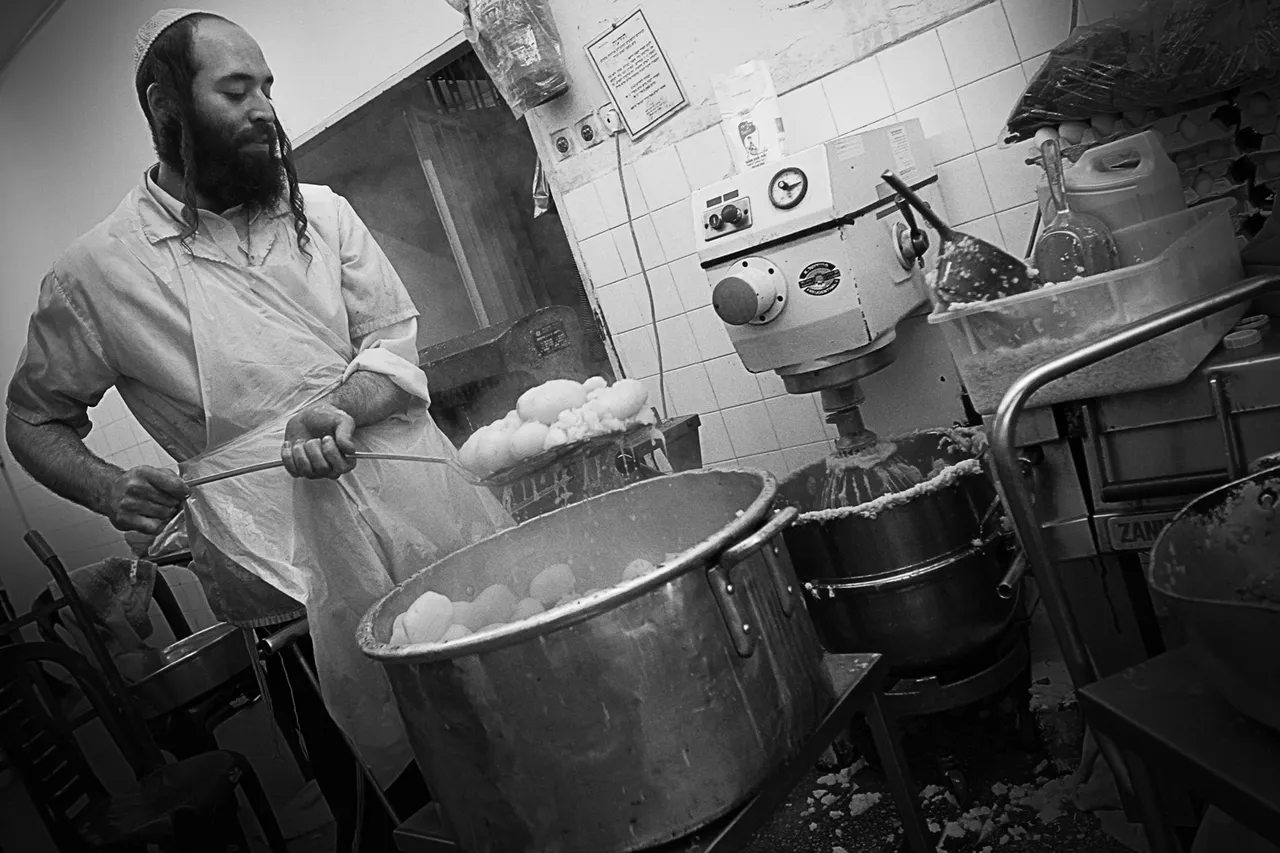
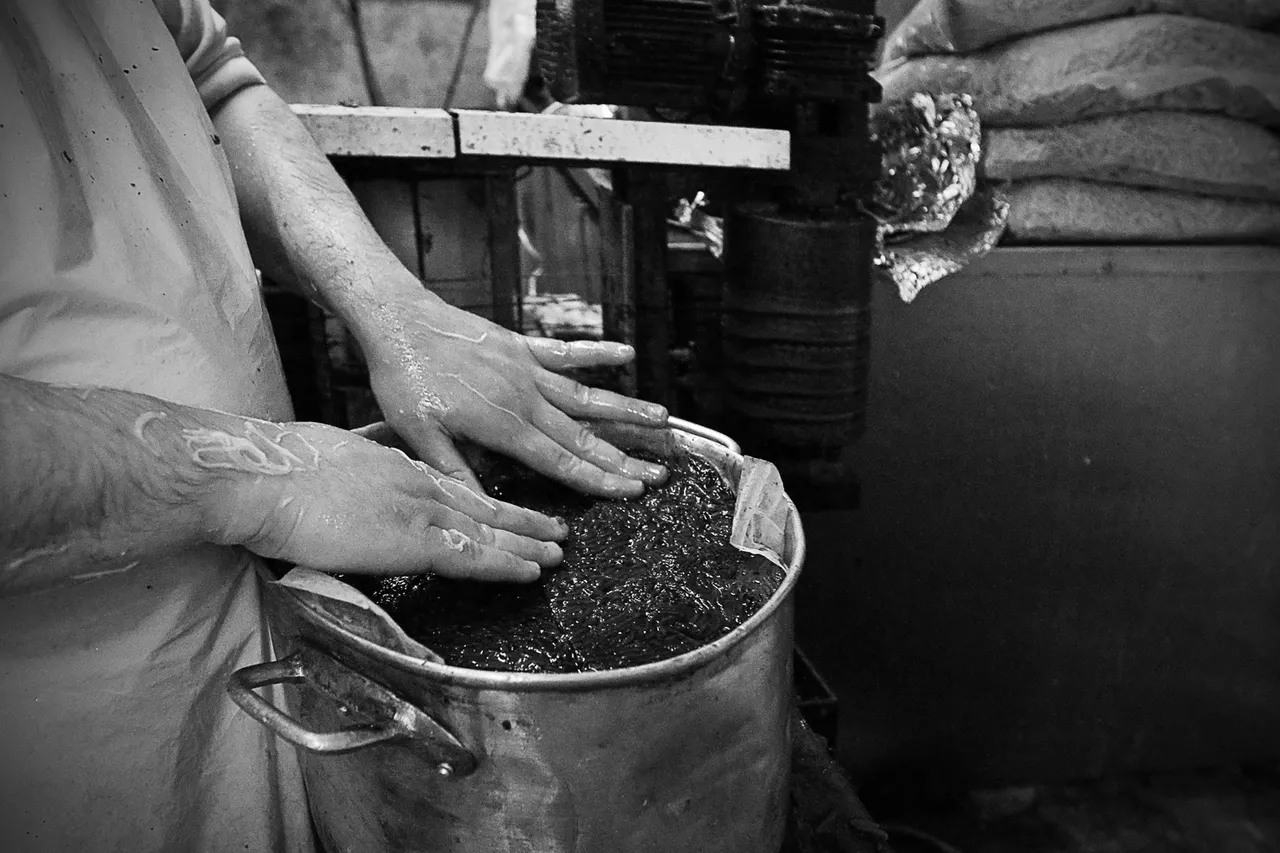
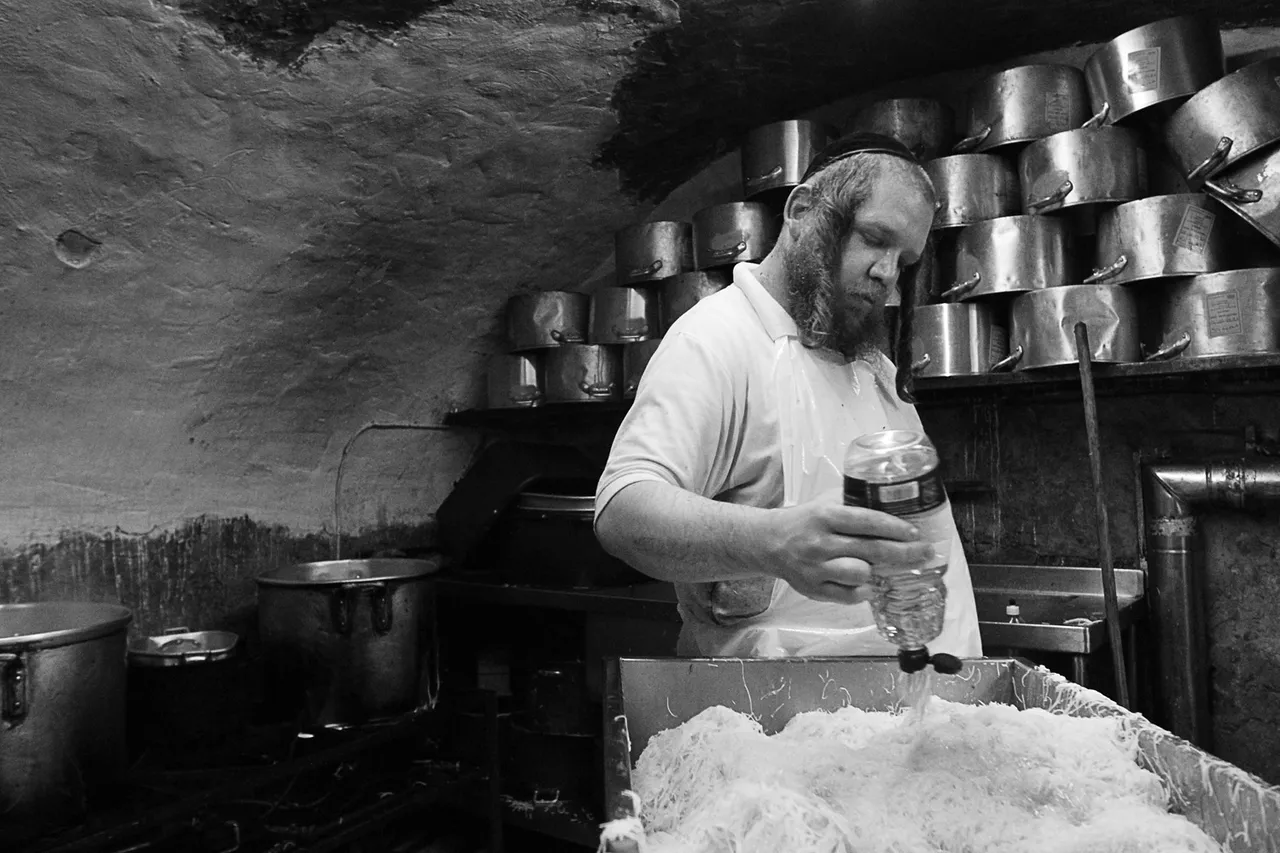
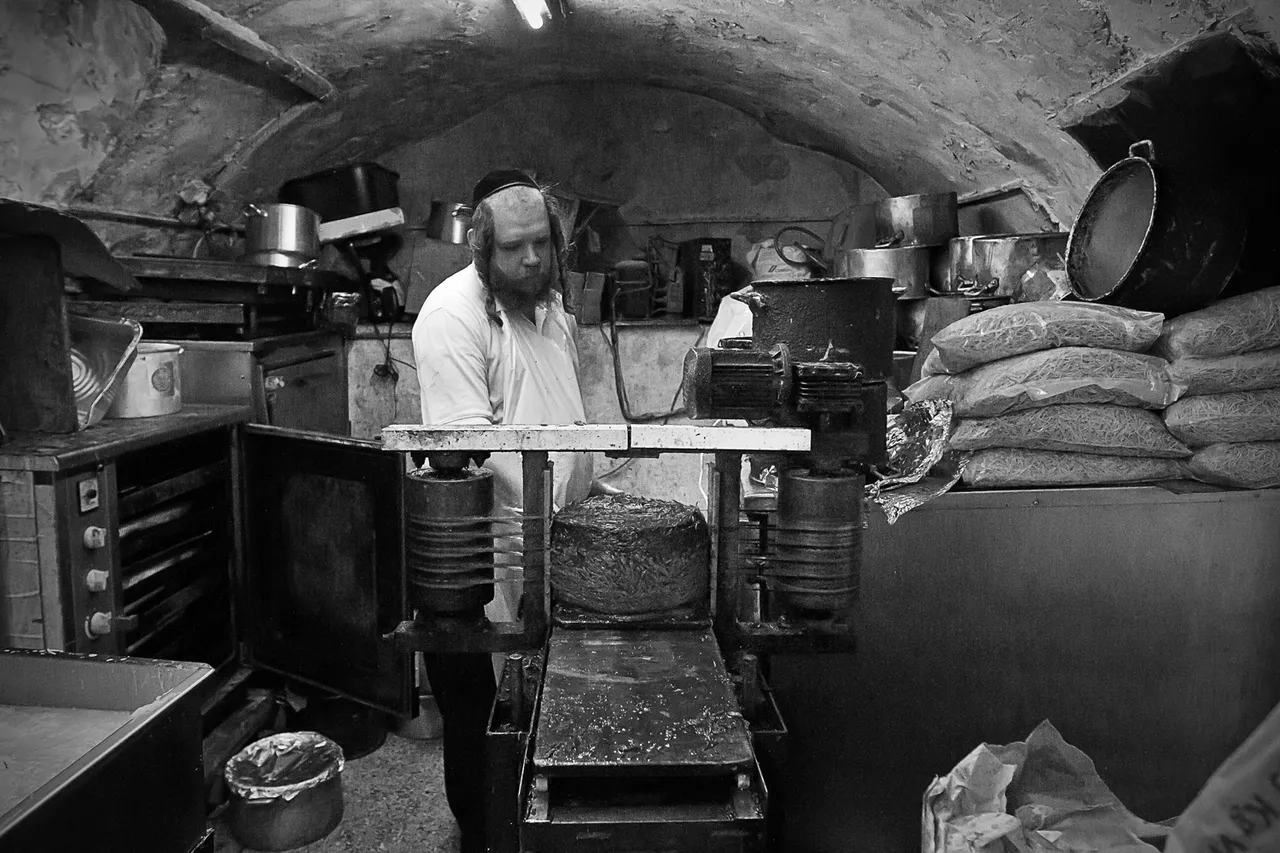
The Kugel cook.
1/42The Kugel cook. Kugel is a baked pie, most commonly made from egg noodles or potato. It is a traditional Ashkenazi Jewish dish, often served on Shabbat and Yom Tov.
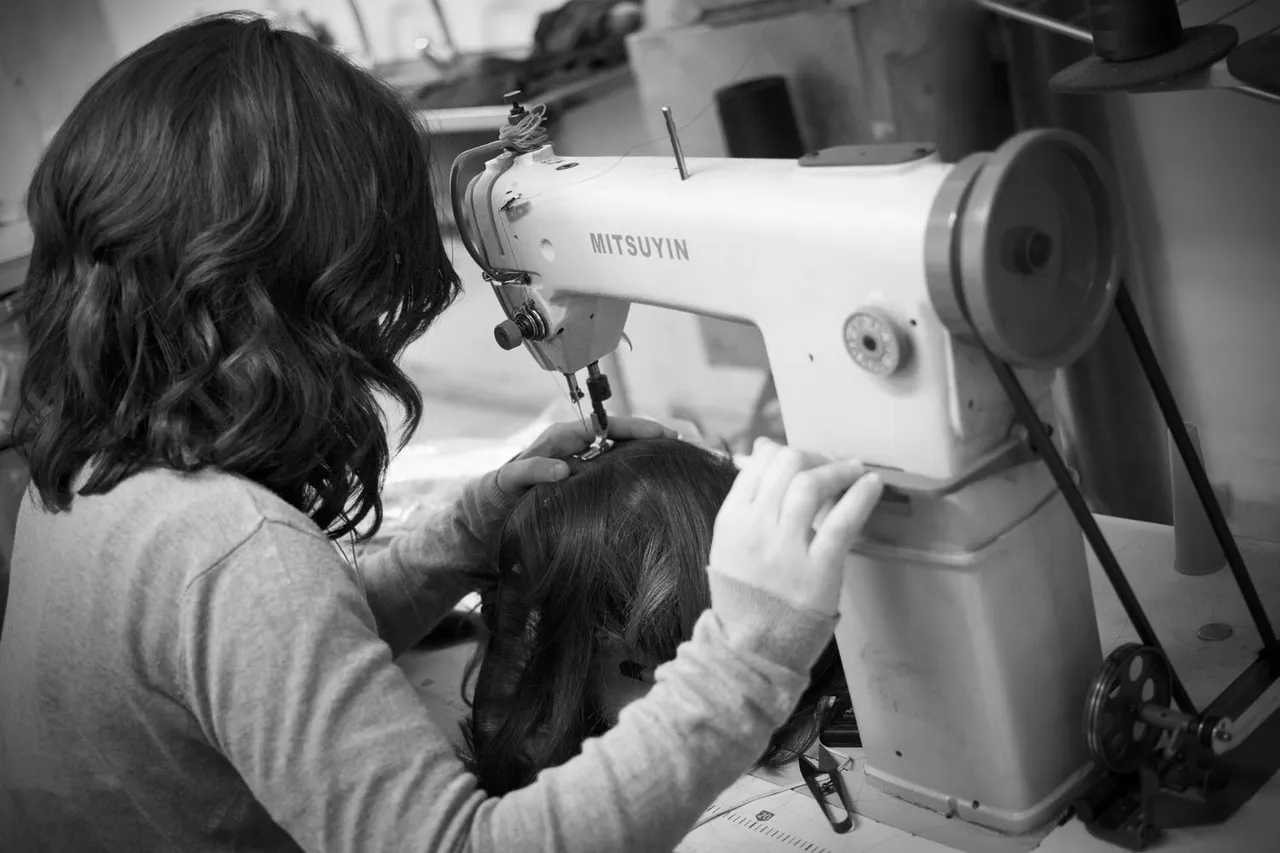
The wig maker.
2/42The wig maker. Ultra-orthodox women must shave their head when married. It is a common practice to wear wigs.
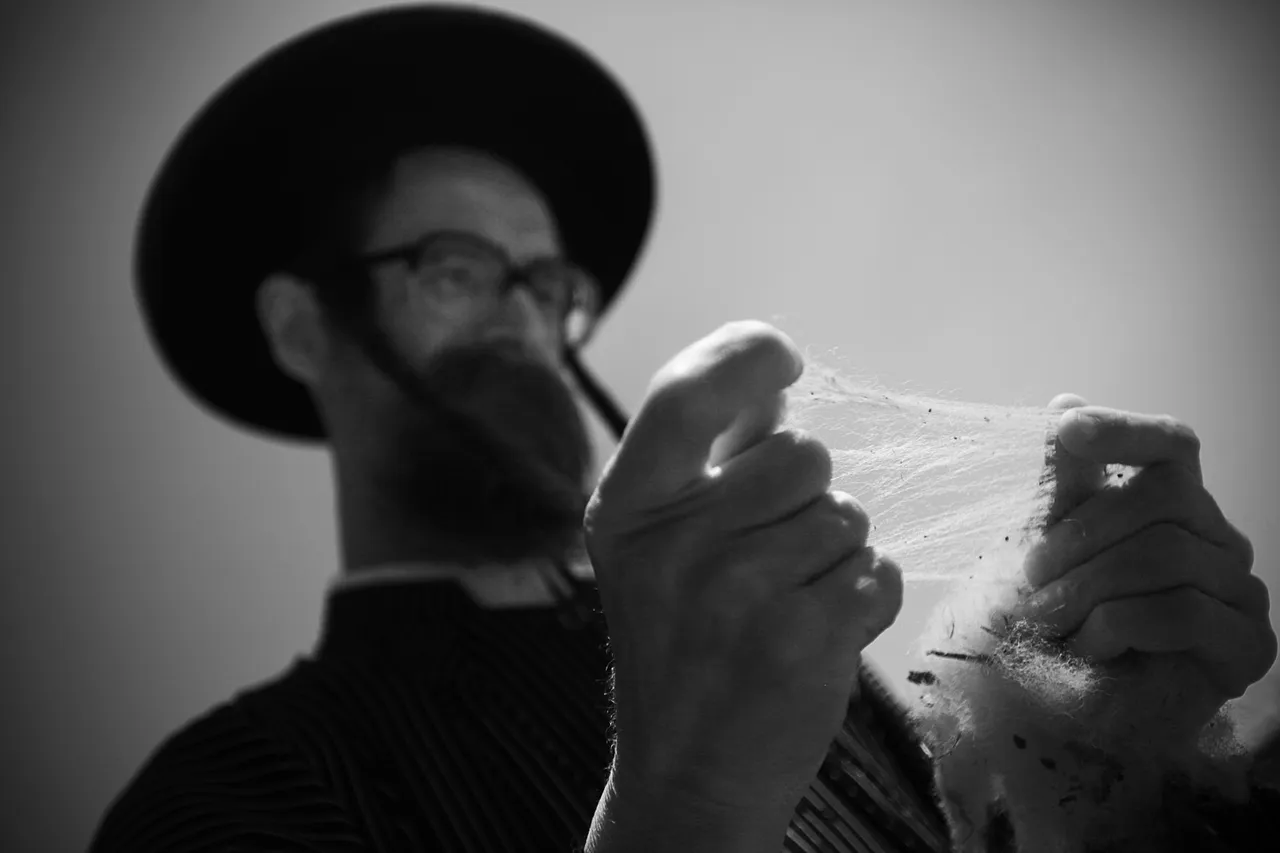
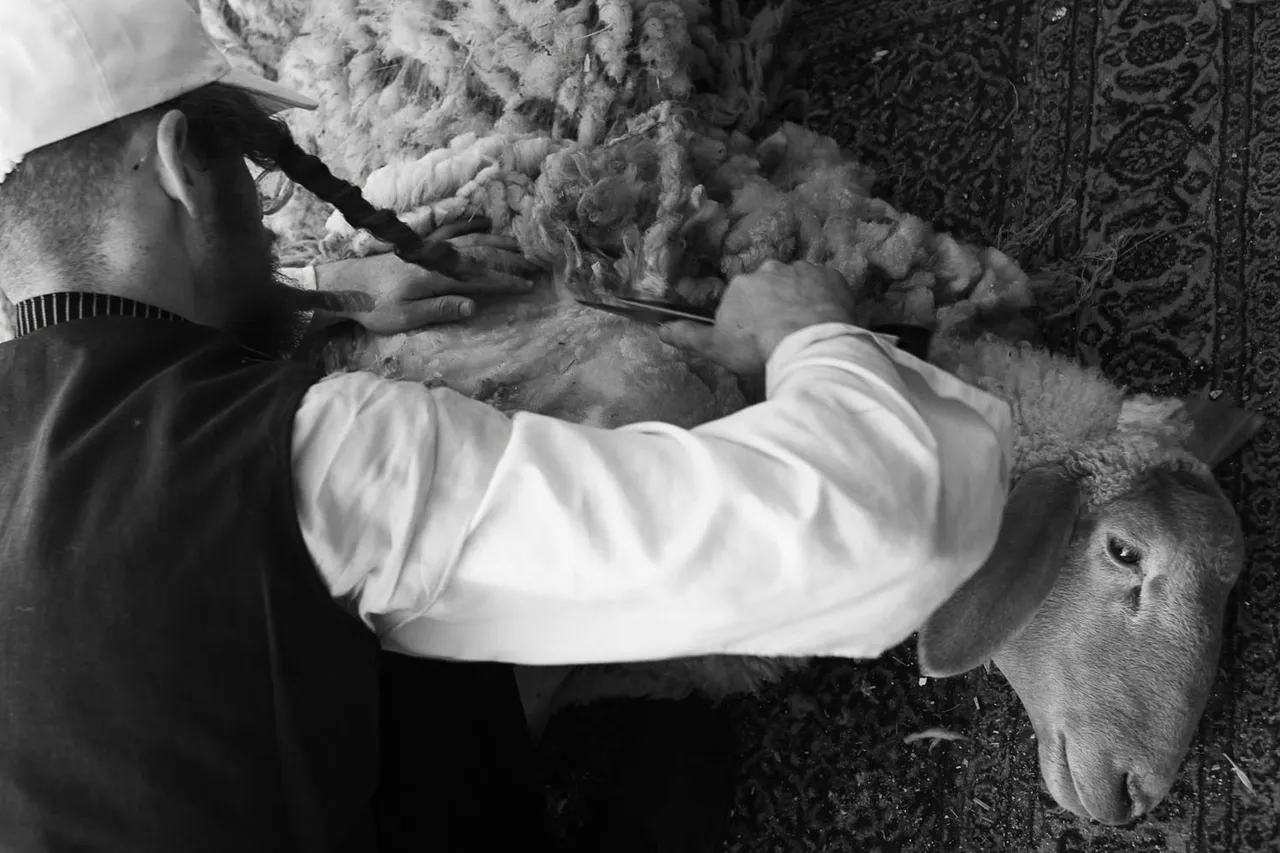
The wool cutter.
3/42The wool cutter. The sheep wool is cut and then used to make the 'Tzizit' (fringes on the corners of an upper garment).
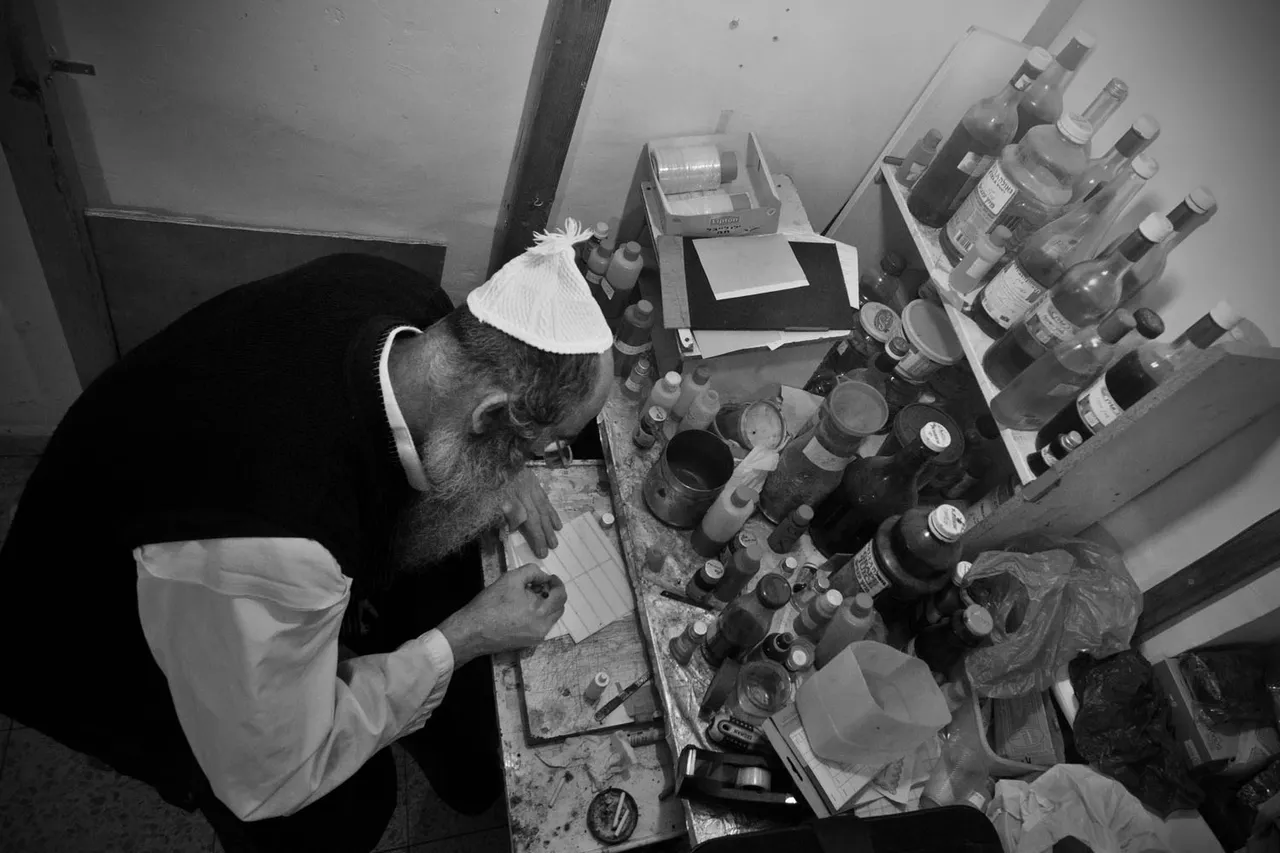
The chemist.
4/42The chemist. Some believe that medicine should be practiced like the Rambam advised, using mixtures of herbs and oils.
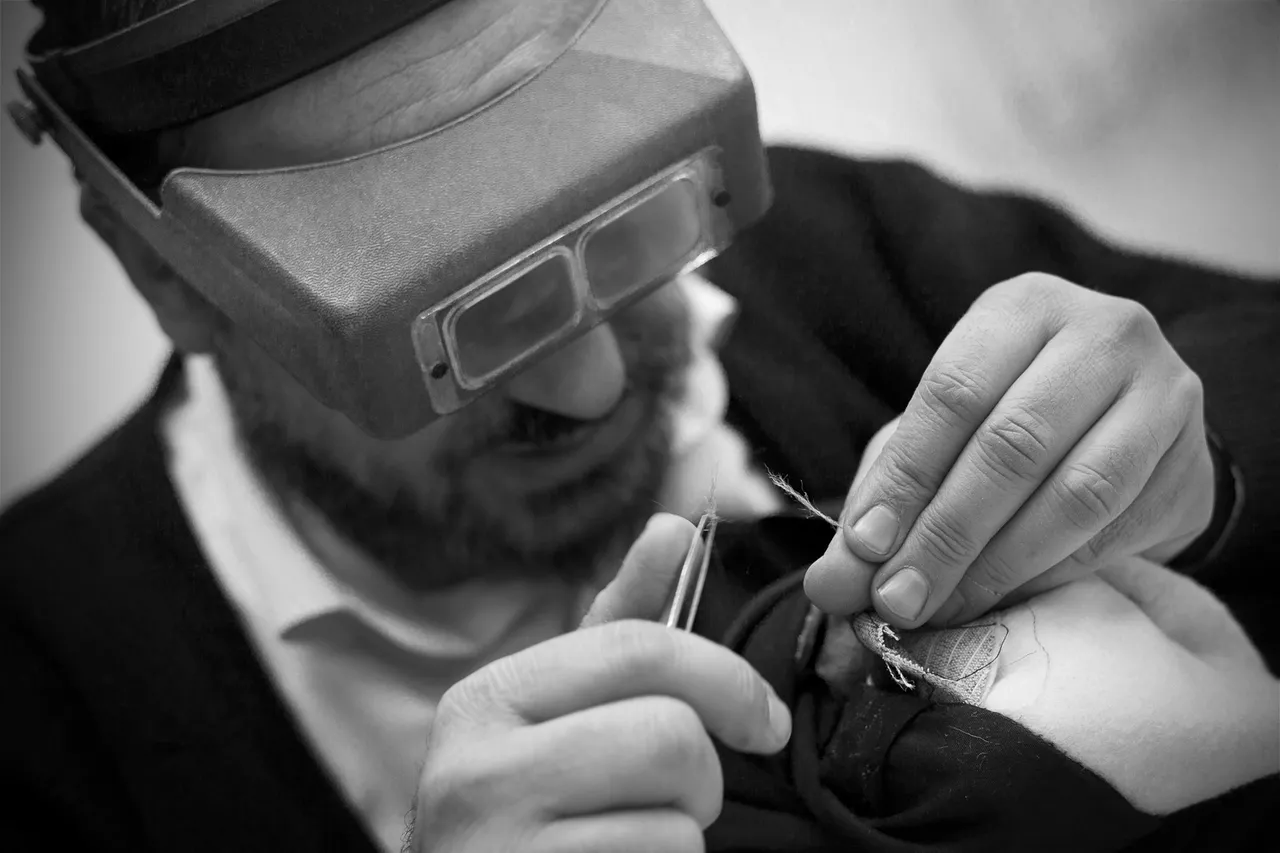
"Shatnez" Tester.
5/42"Shatnez" Tester. Jewish Torah prohibits wearing cloths which contains both wool and linen, so all suspected cloths must be supervised.
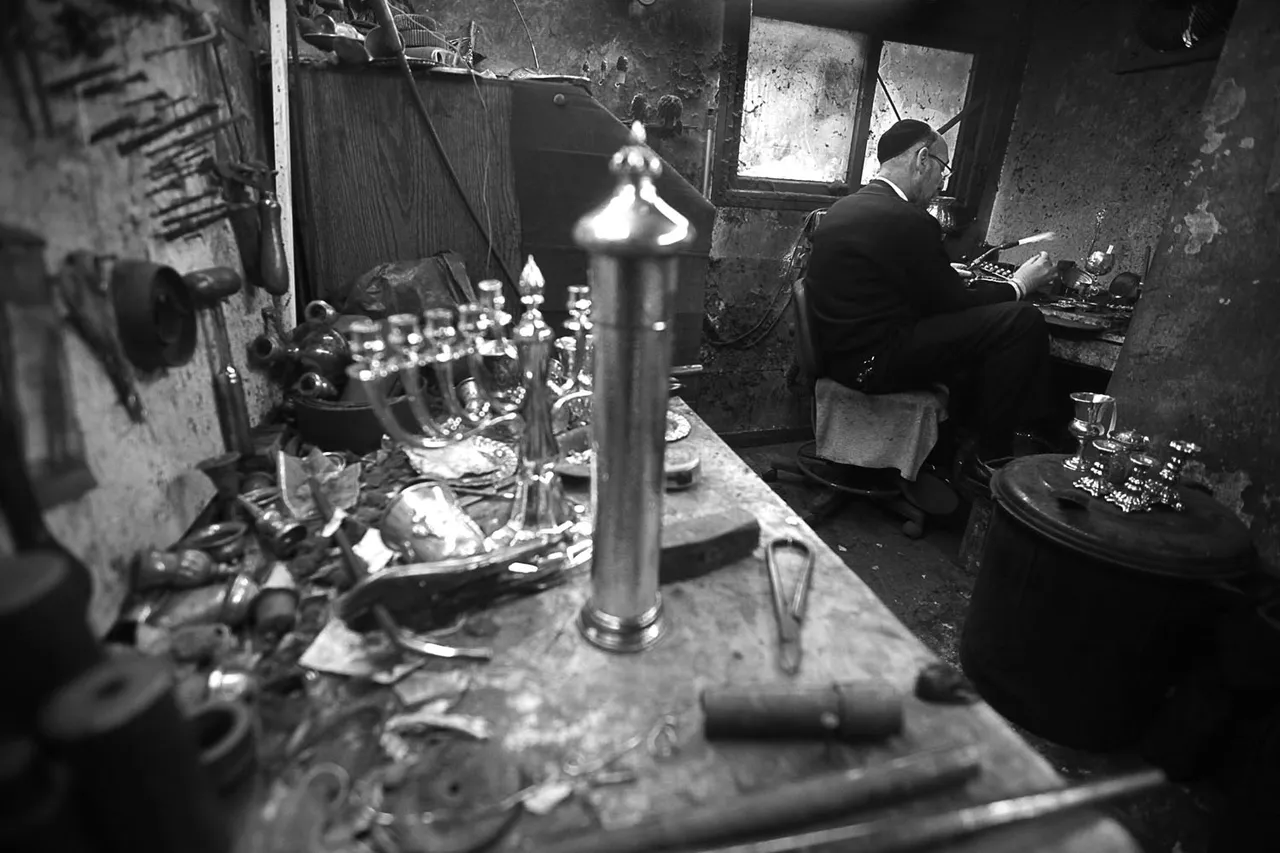
The silversmith.
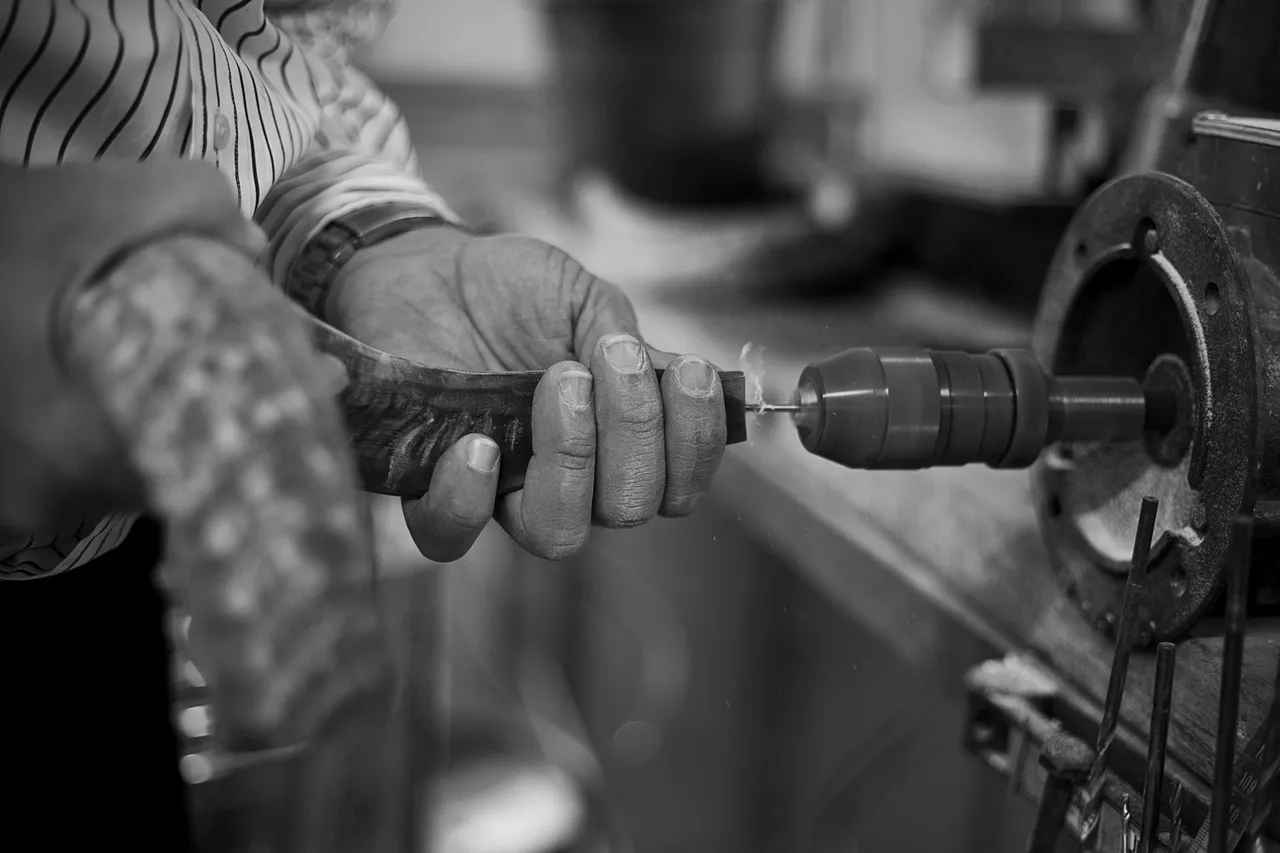
6/42The silversmith. Traditional Judaica items such as the Hanukka Menorah, Esther scroll casing, wine Kidush goblet and others are crafted out of silver by the silversmith.
The Yeshiva cook.
7/42The Yeshiva cook. Ultra-orthodox youngsters attend the Yeshiva for long hours of Torah study. In lunchtime, they are served a hot meal cooked for them.
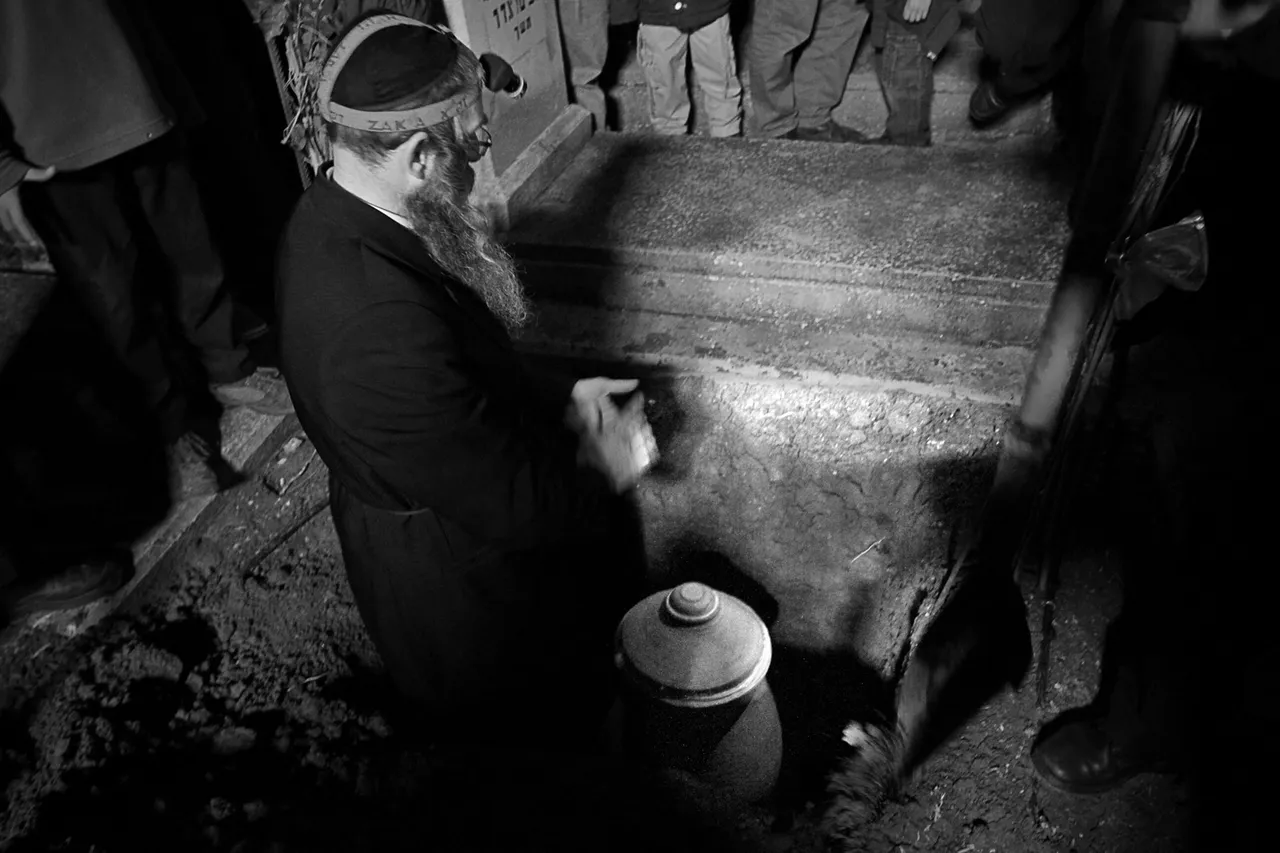
The burier.
8/42The burier. In some rare cases, the burier is required to bury the remains of burned Tora scrolls placed in a clay pot.
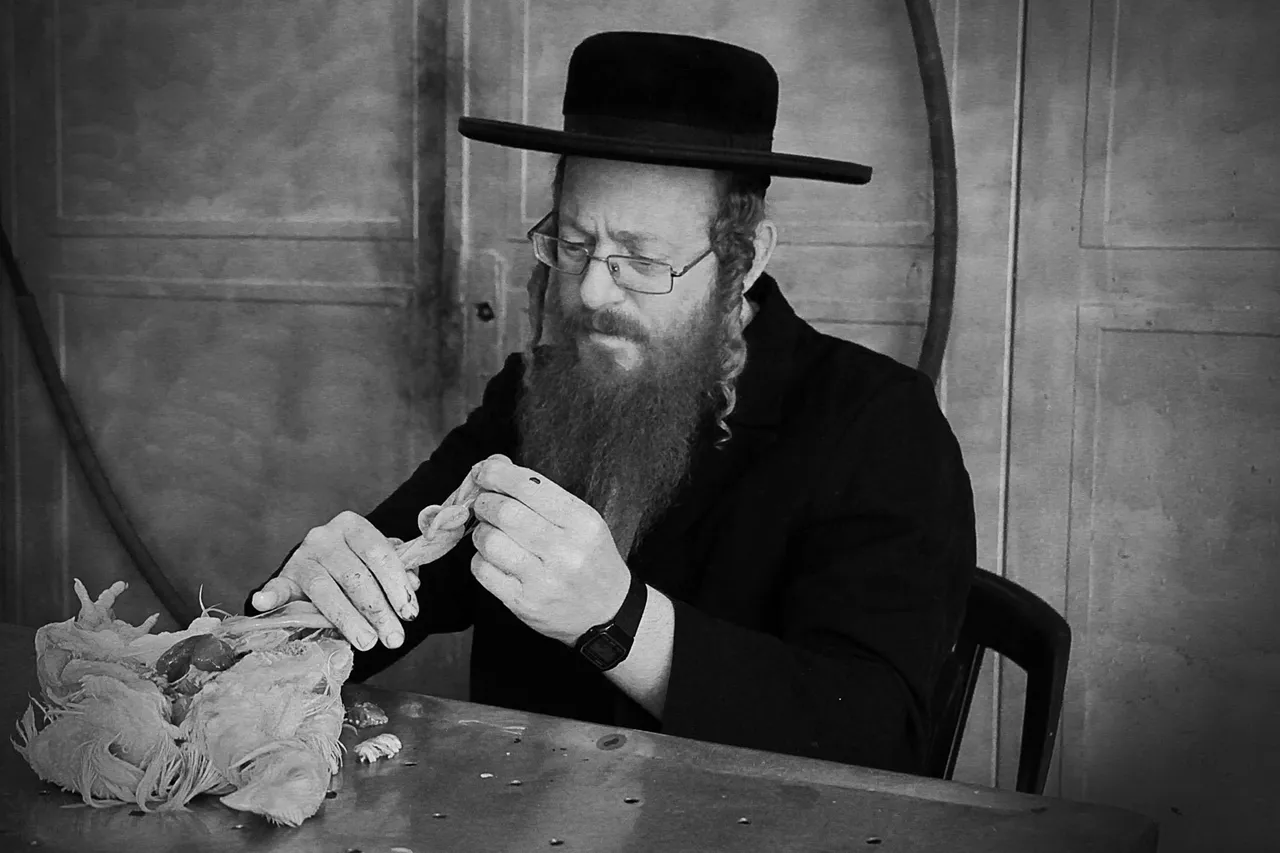
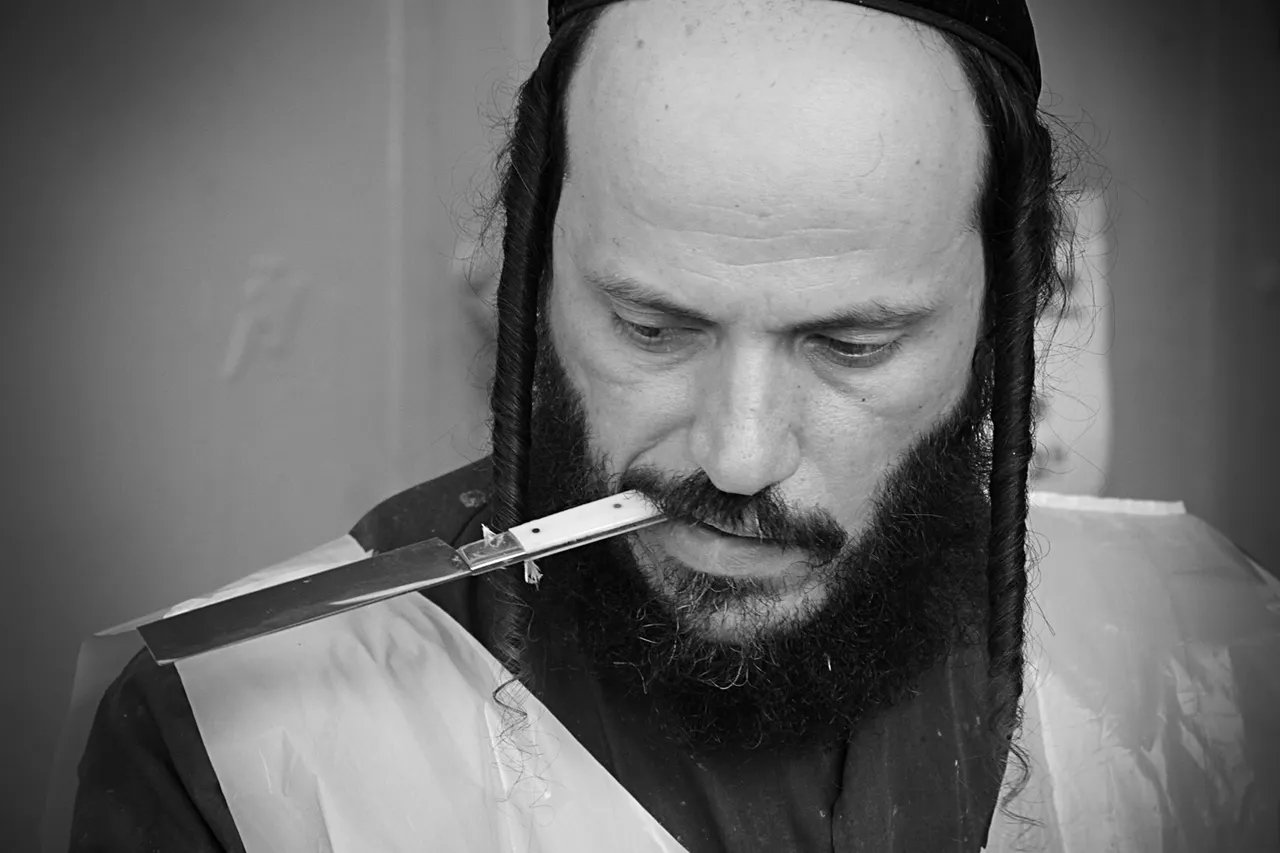
The "Bodek" (Kosher supervisor) is responsible for inspecting the inner organs of slaughtered animals and decide if they are Kosher or not.
9/42The "Bodek" (Kosher supervisor) is responsible for inspecting the inner organs of slaughtered animals and decide if they are Kosher or not.
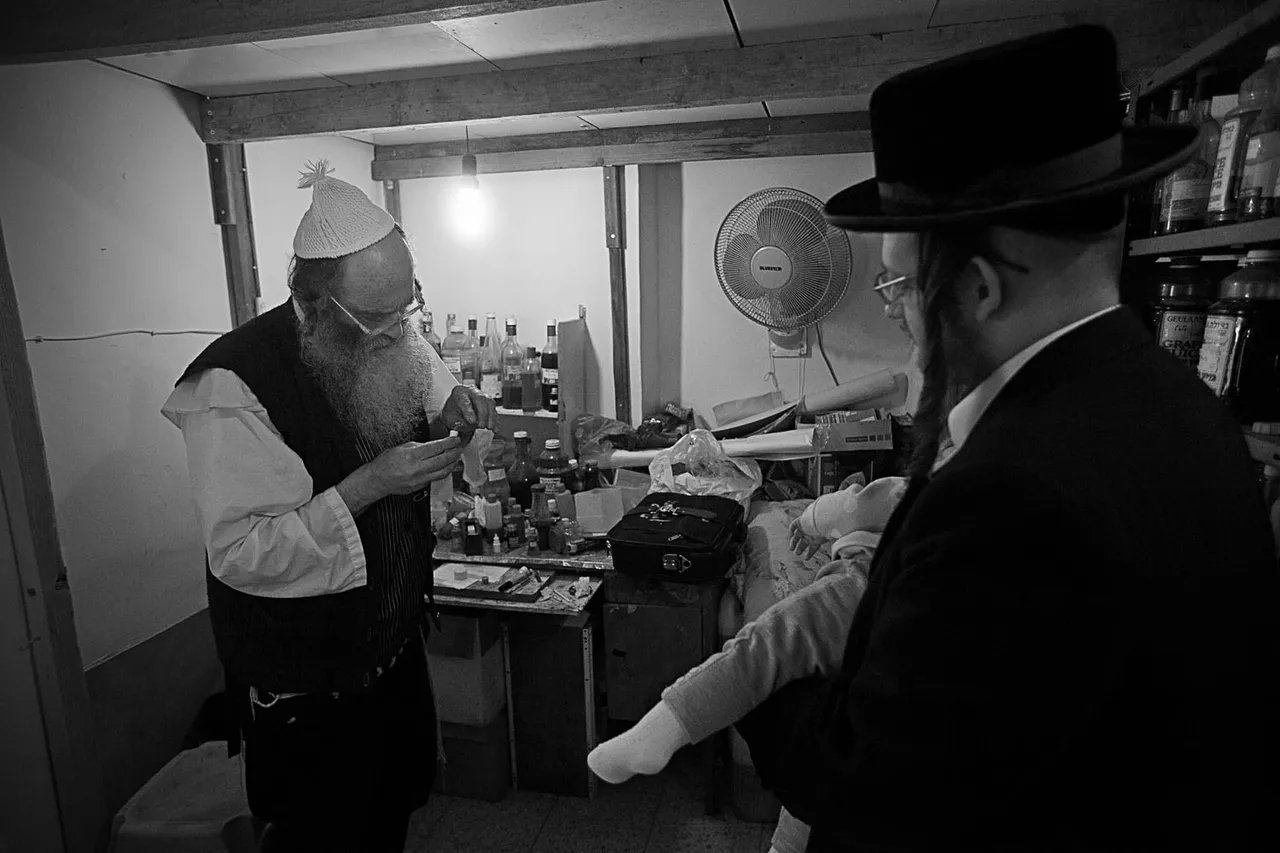
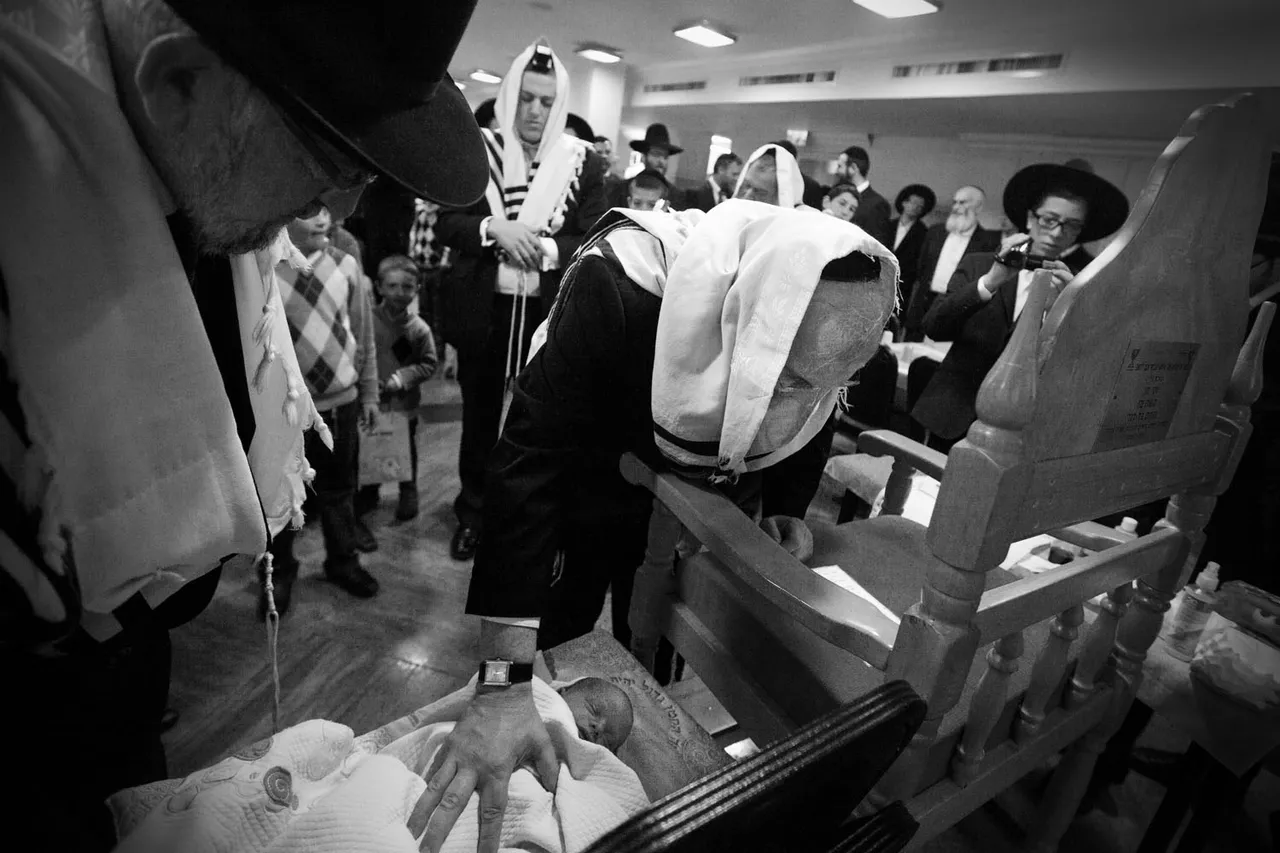
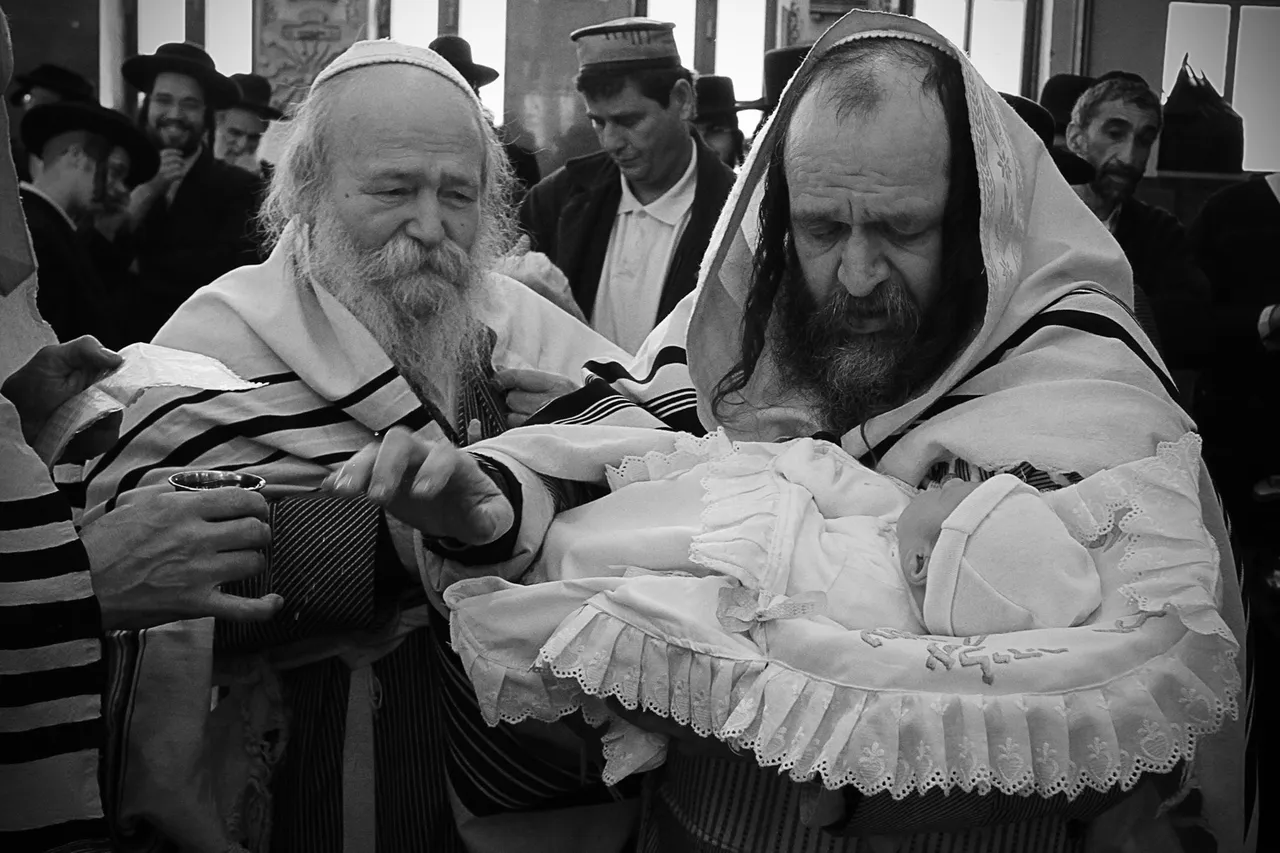
The circumciser ("Mohel") performs the act of circumcision on a newborn baby boy 7 days after the birth.
10/42The circumciser ("Mohel") performs the act of circumcision on a newborn baby boy 7 days after the birth.
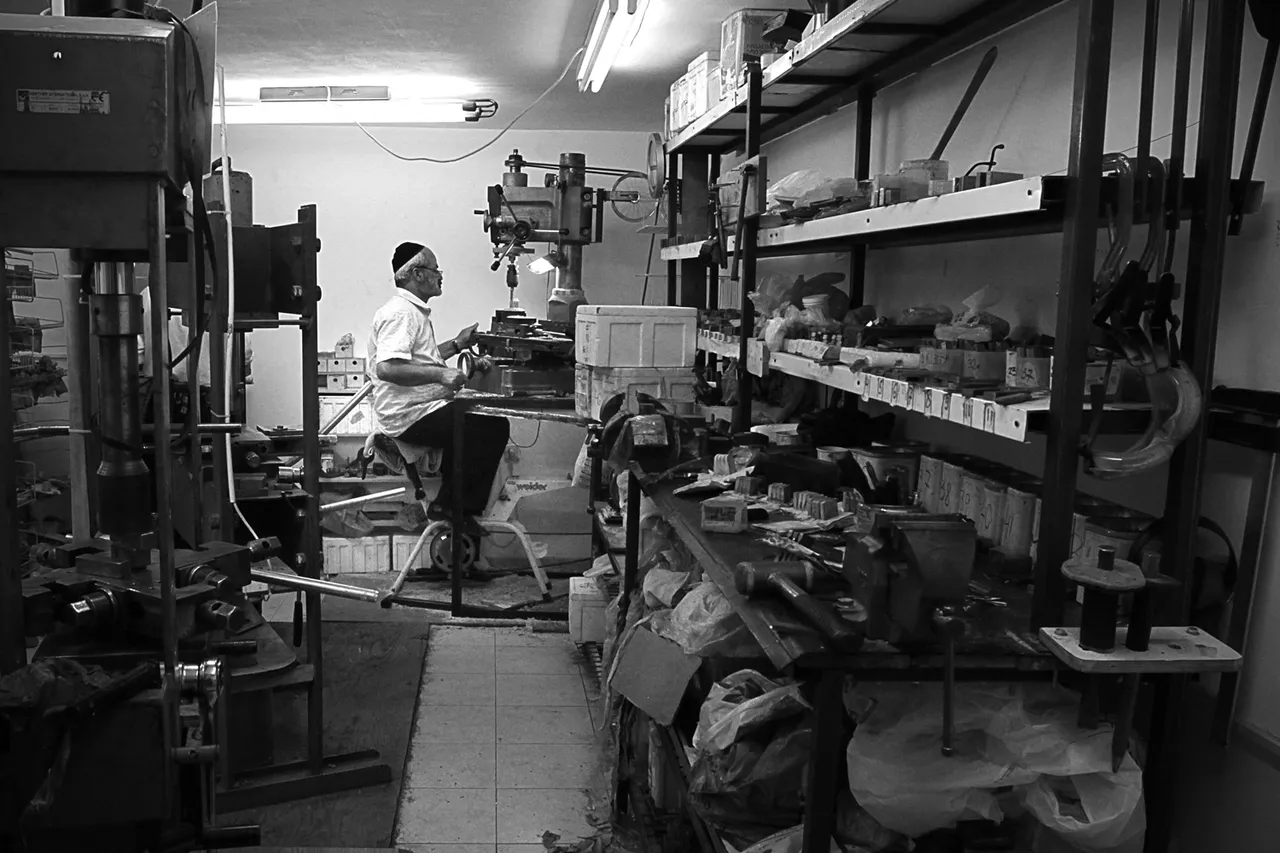
Tefillin maker.
11/42Tefillin maker. In his workshop, he produces all elements required to make the Tefillin, but with no engines or electricity involved.
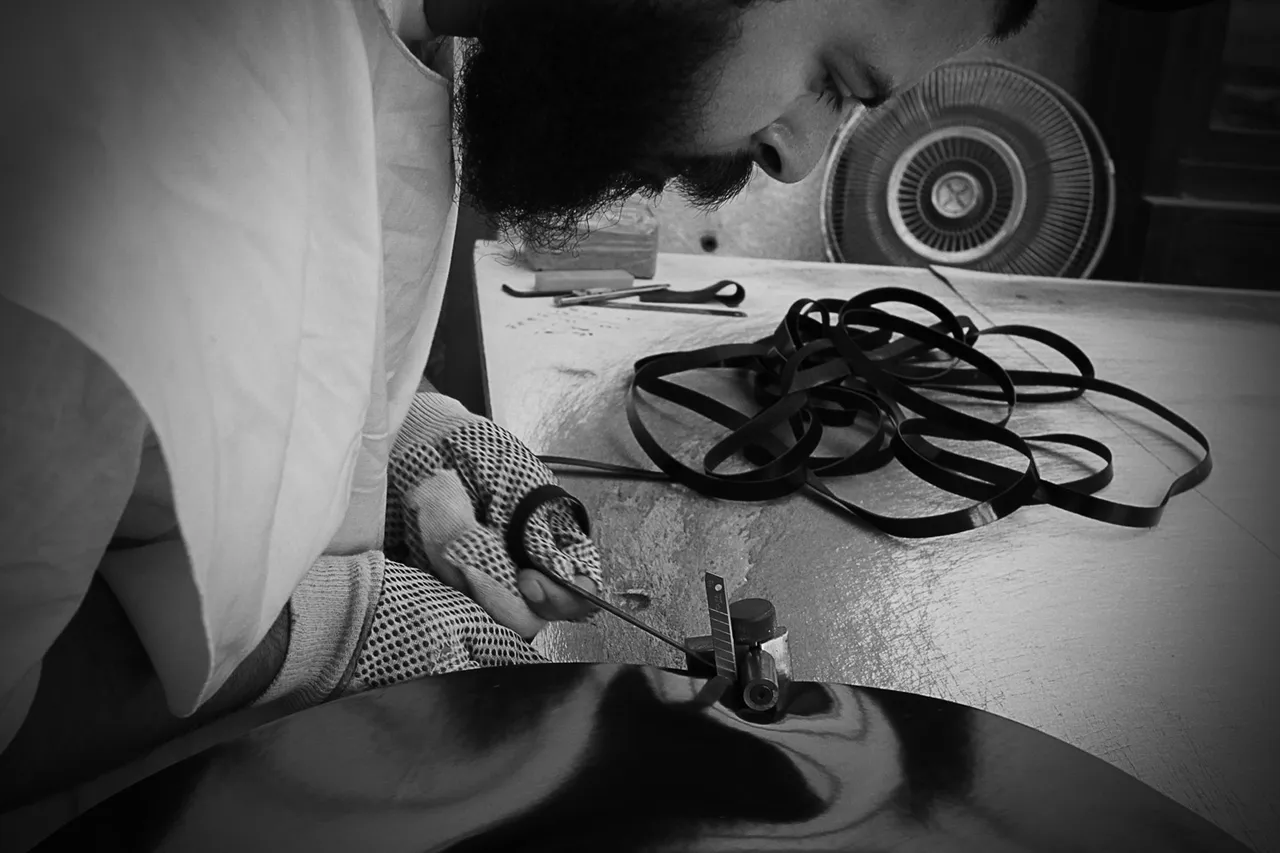
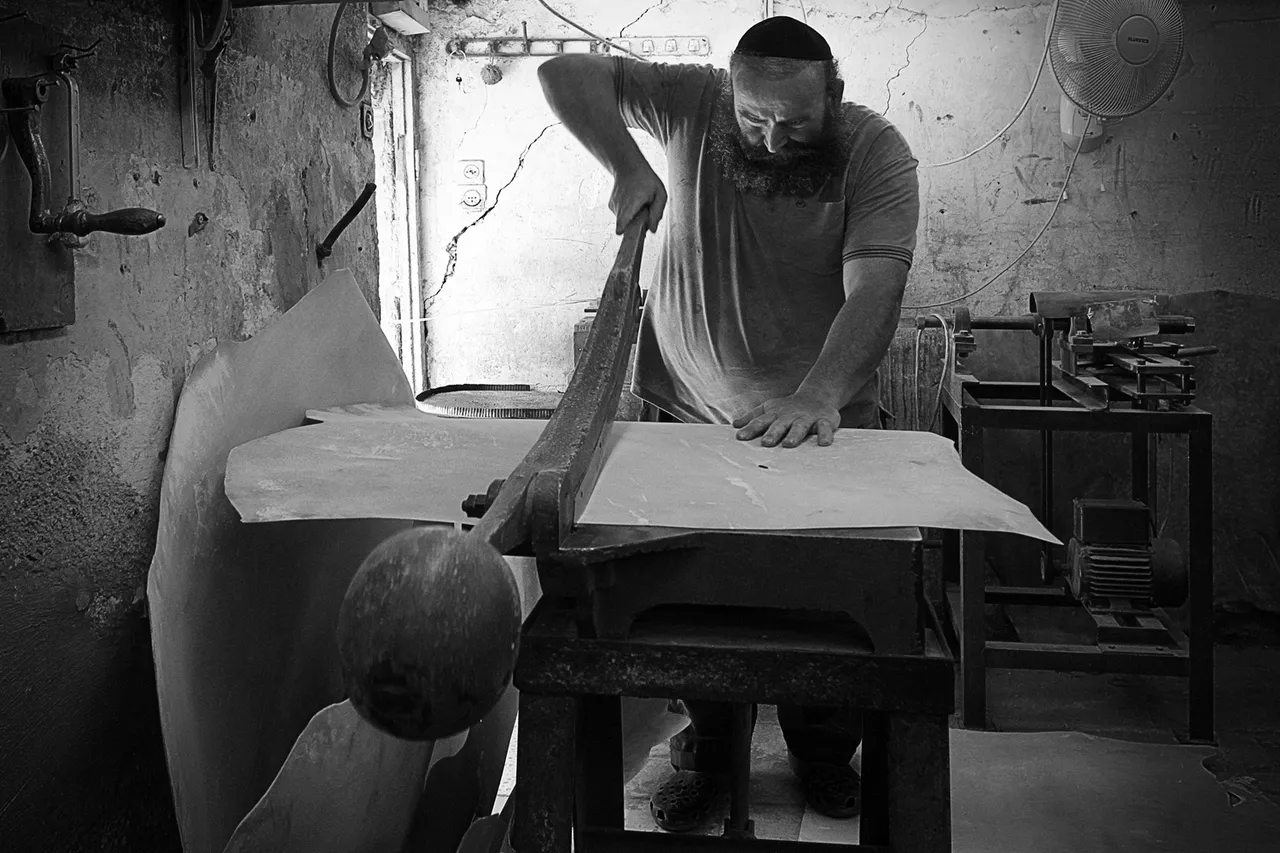
The leather cutter.
12/42The leather cutter. Manually cuts the leather straps (for Tefillin) with great accuracy as they have to be in a specific width through their entire length.
Mezuzah reformer.
13/42Mezuzah reformer. Mezuzahs must be checked and repaired, if possible, every 3.5 years to ensure that they are Kosher.
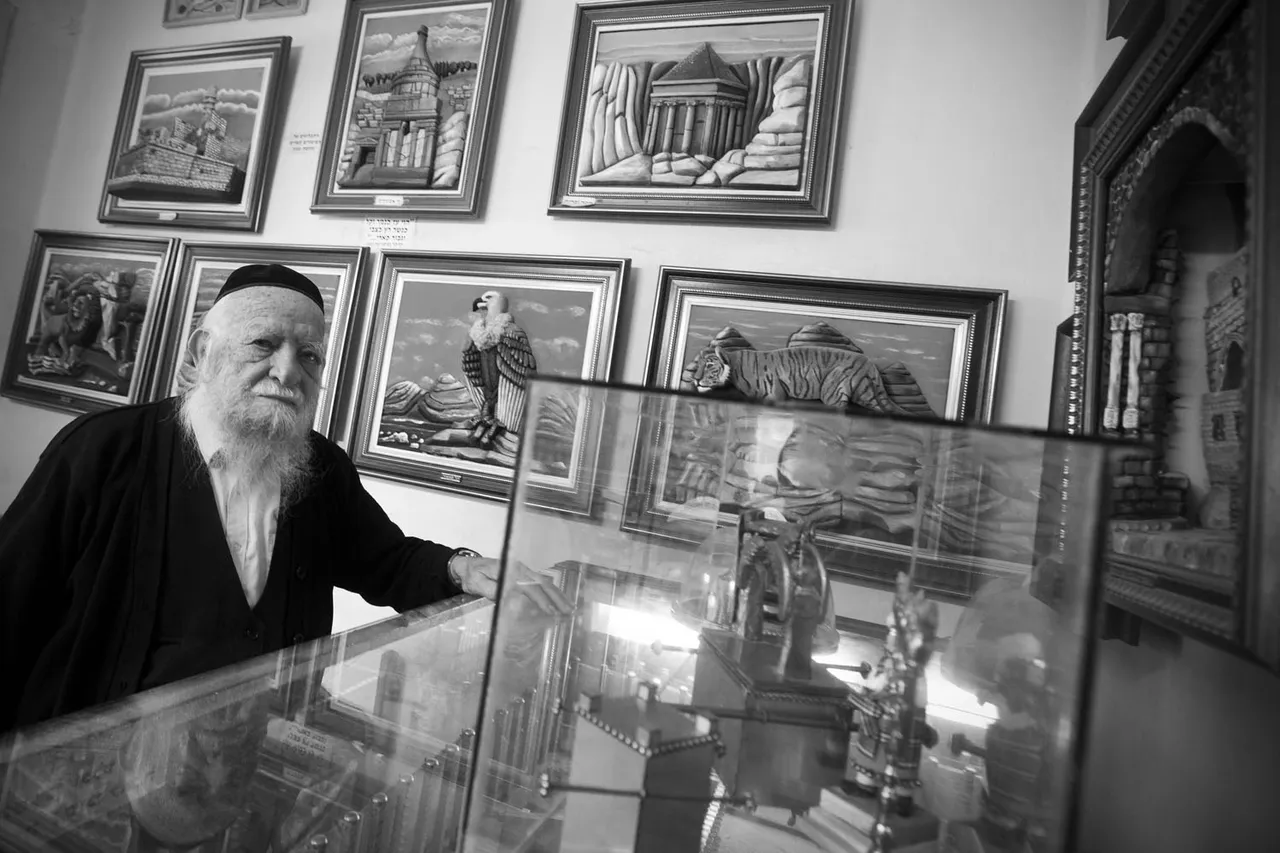
Judaica artistist.
14/42Judaica artistist. The holy temple, the high priest breastplate, the symbols of the 12 tribes, these are all part of the Judaica art which decorates ultra-orthodox homes.
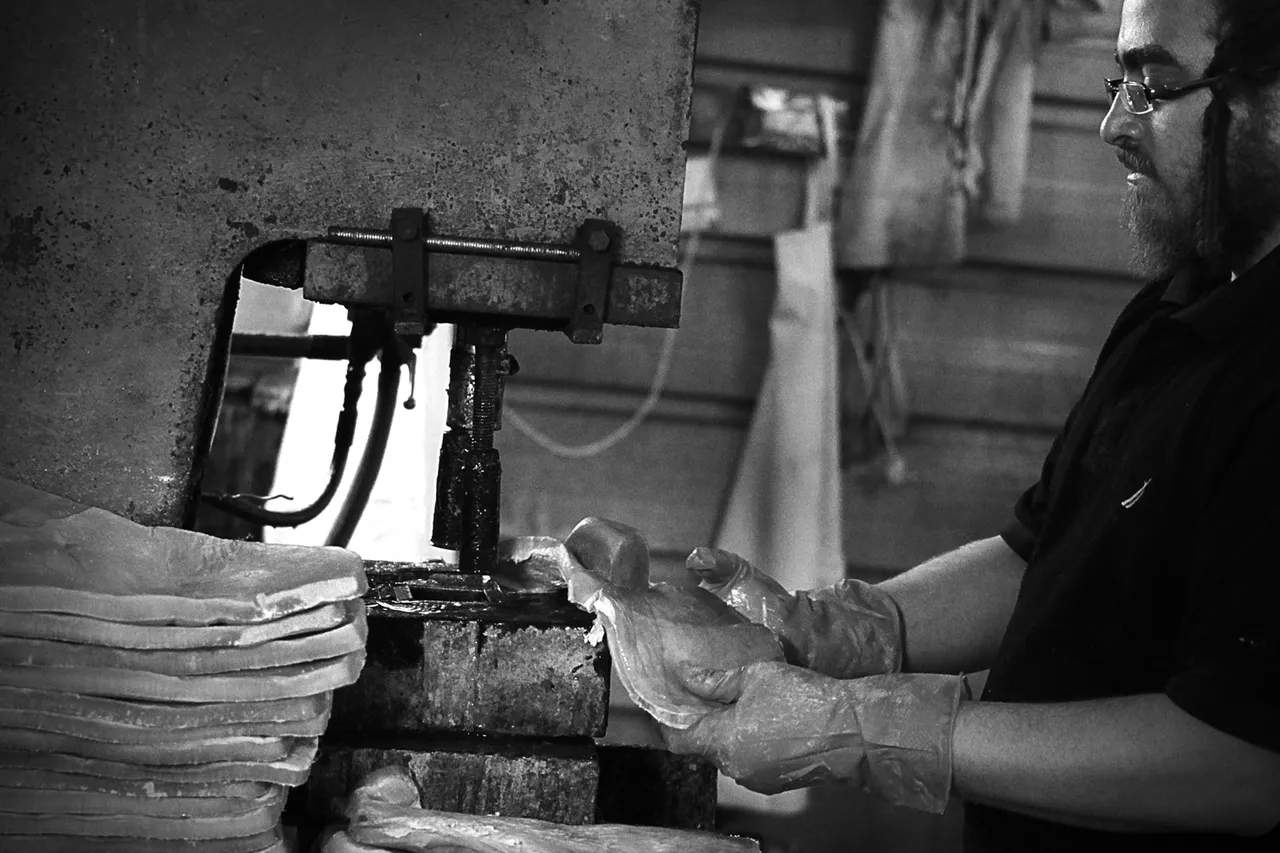
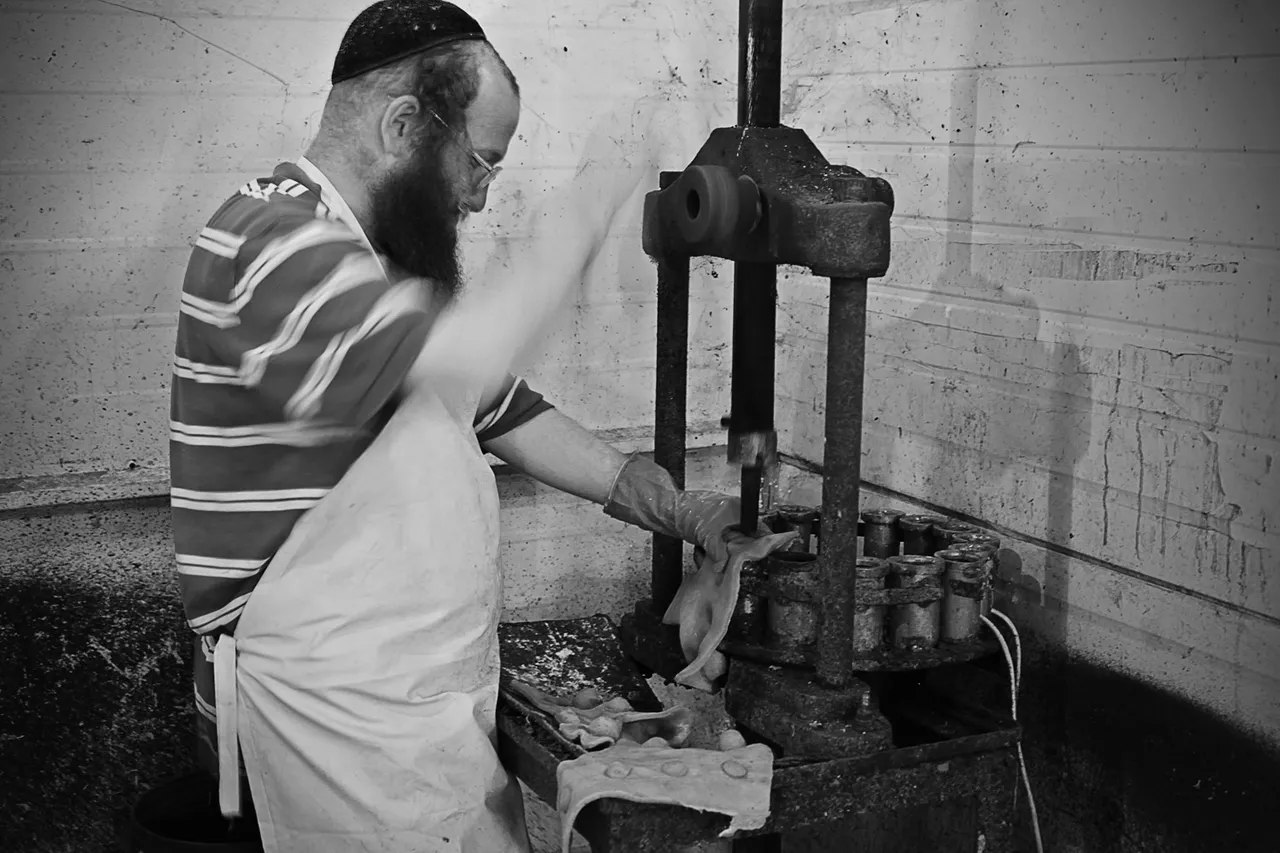
The Tefillin maker.
15/42The Tefillin maker. The making of Tefillin boxes start by putting thick pieces of leather under a heavy press to create the chamber for the scrolls.
The chemist.
16/42The chemist. Some believe that medicine should be practiced like the Rambam advised, using mixtures of herbs and oils.
The "Shoykhet" (ritual slaughterer).
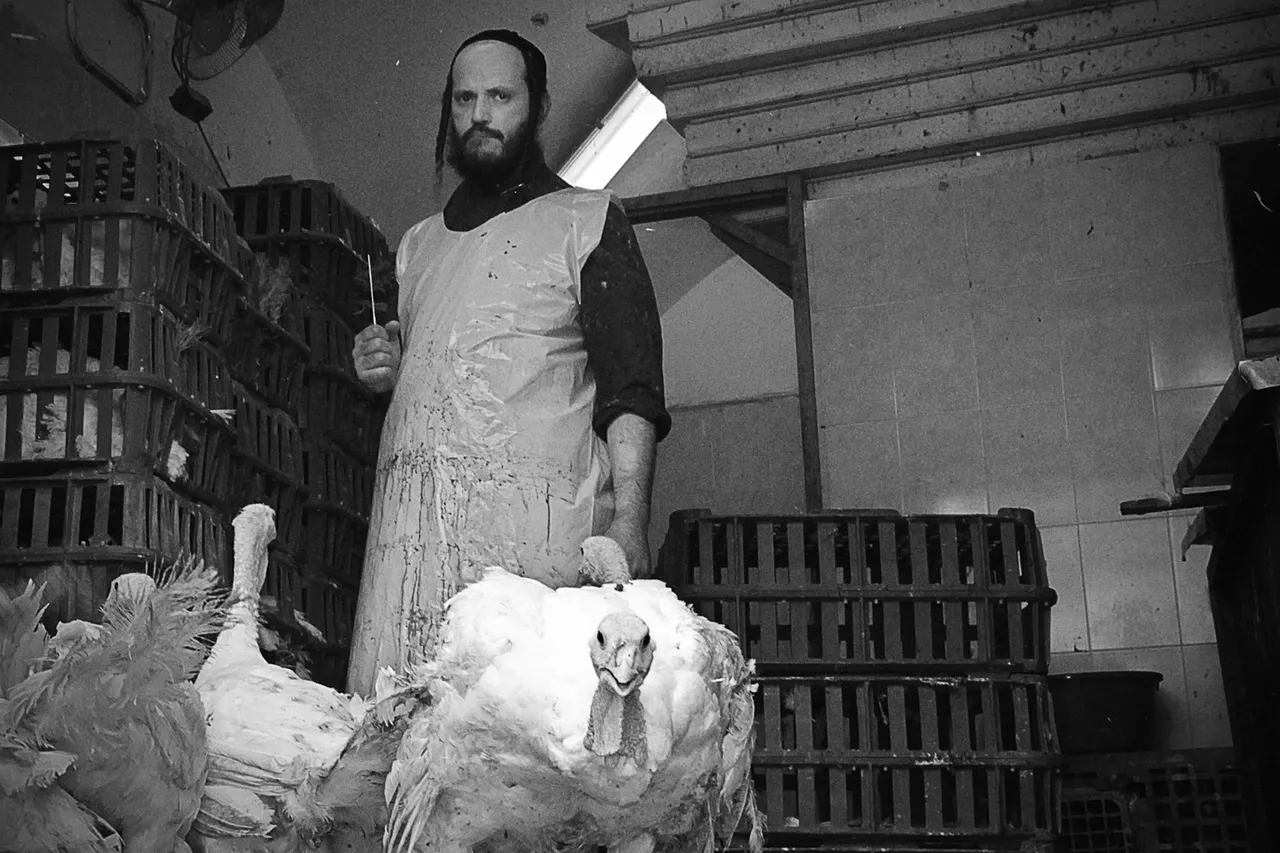
17/42The "Shoykhet" (ritual slaughterer). Mammals and birds slaughter for food needs to be done according to Jewish dietary laws, killed "with respect and compassion".
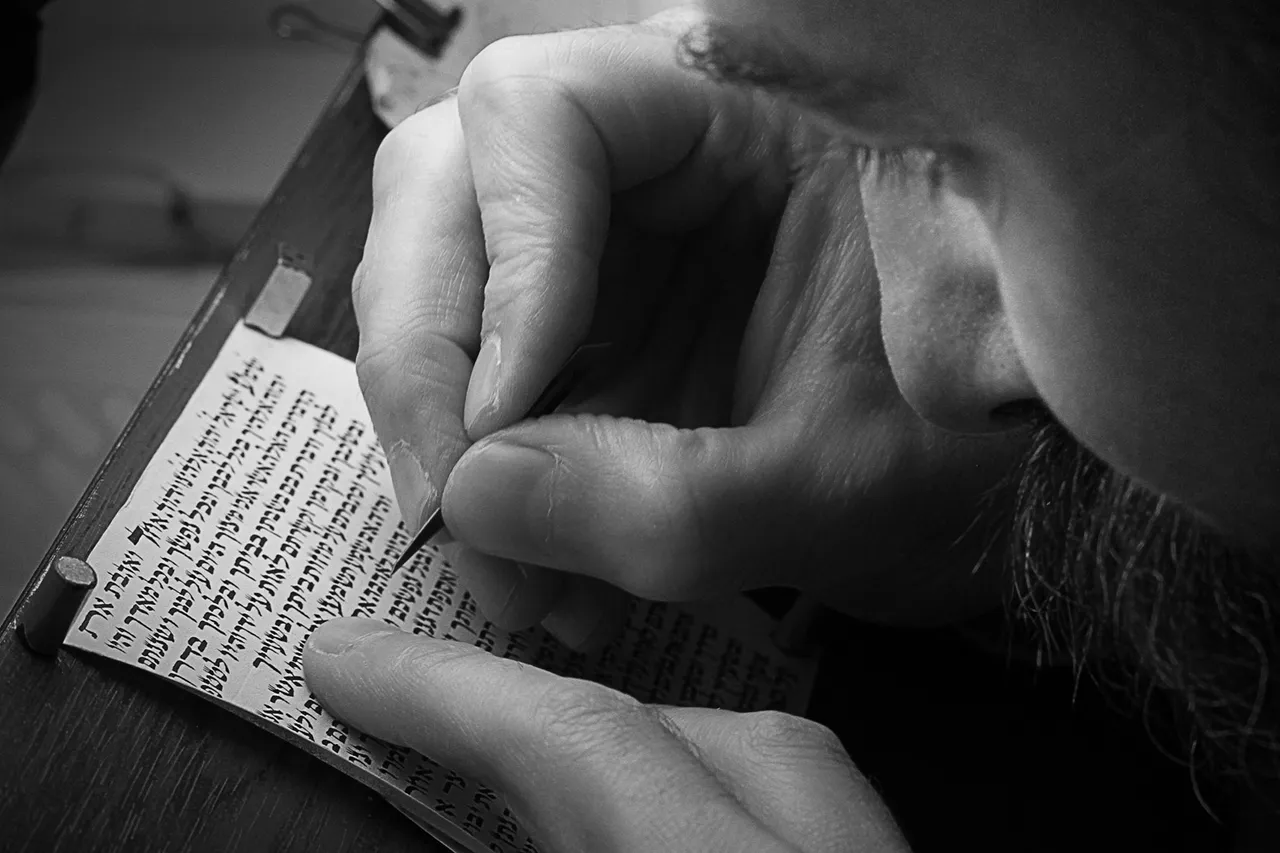
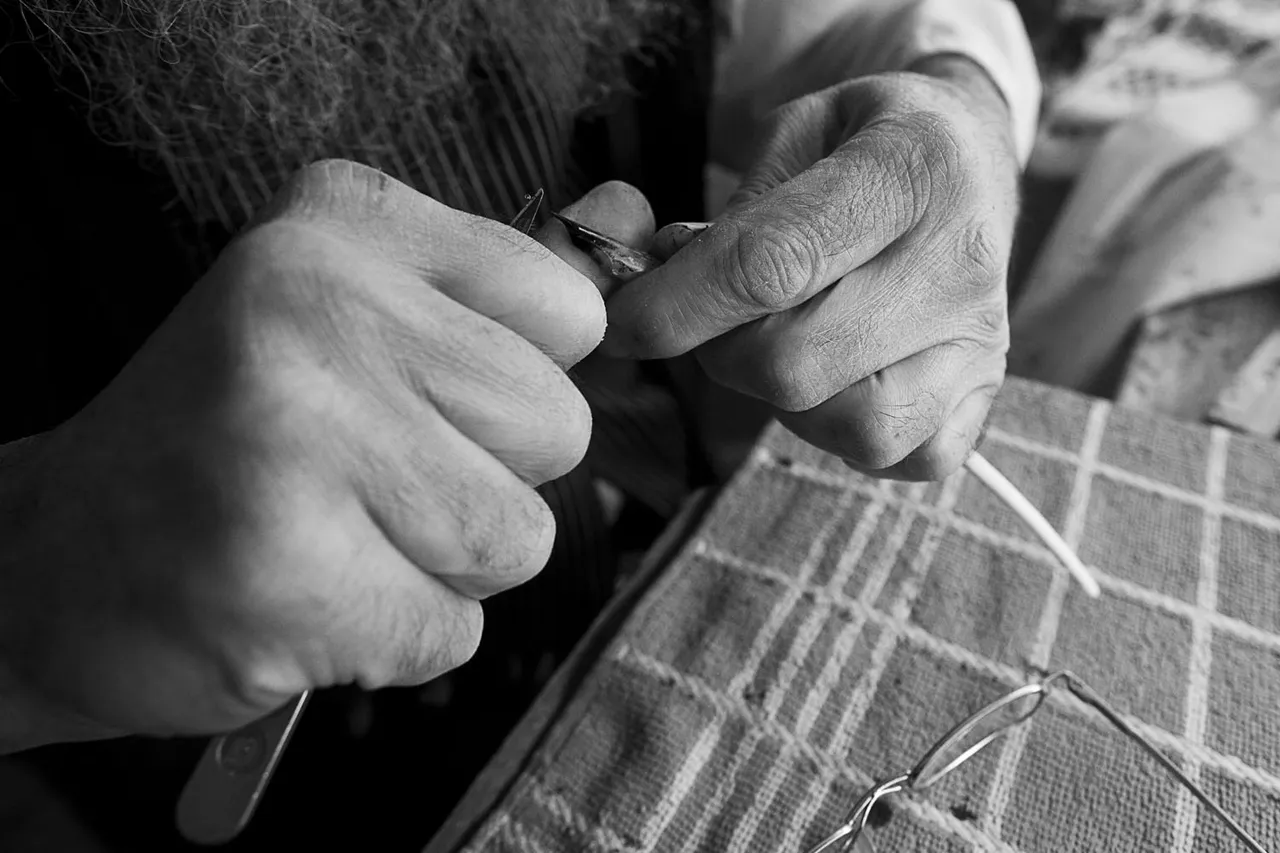
Quill pen making.
18/42Quill pen making. The Torah book writer uses a quill pen, made out of a feather, dipped in ink to write the Torah verses.
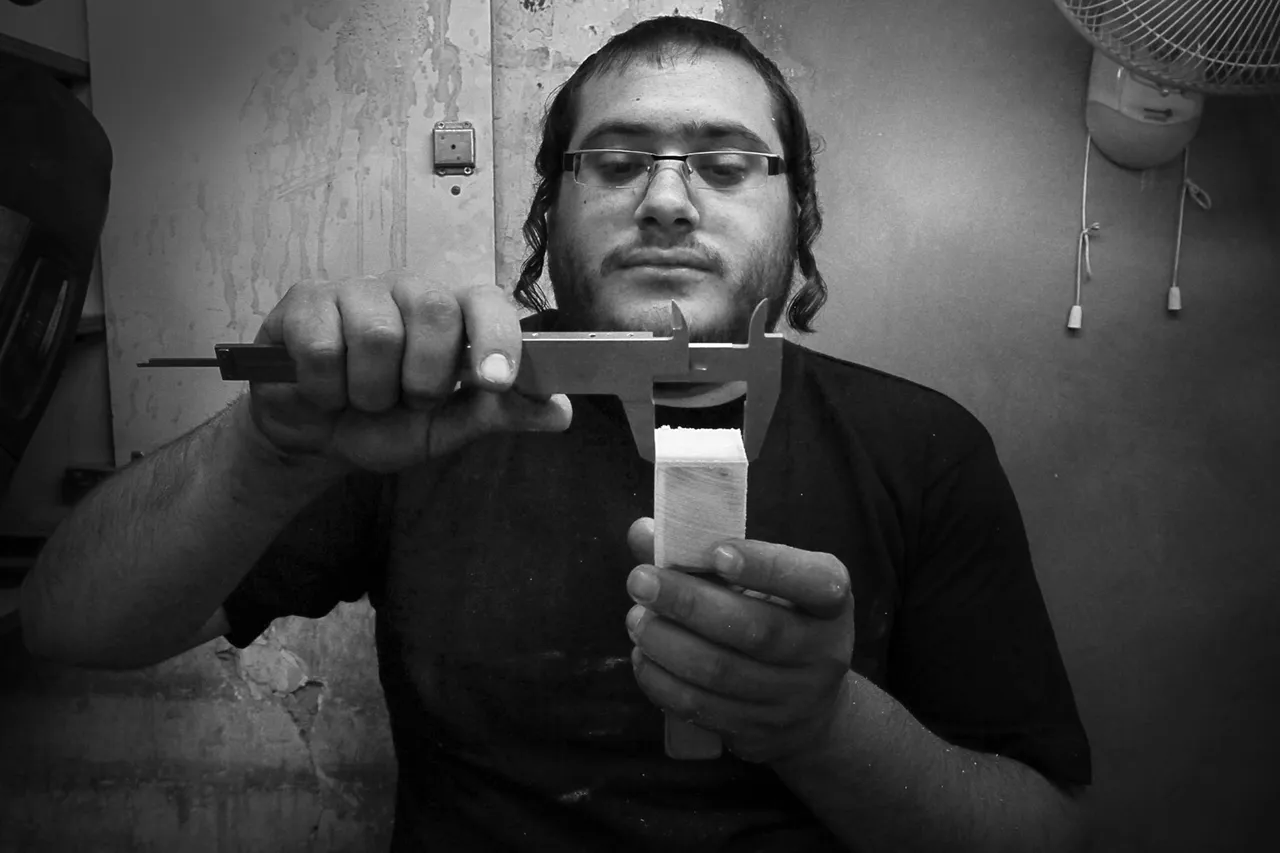
Tefillin maker.
19/42Tefillin maker. The Tefillin boxes, hand and head must be exactly similar and the faces completely symmetrical.
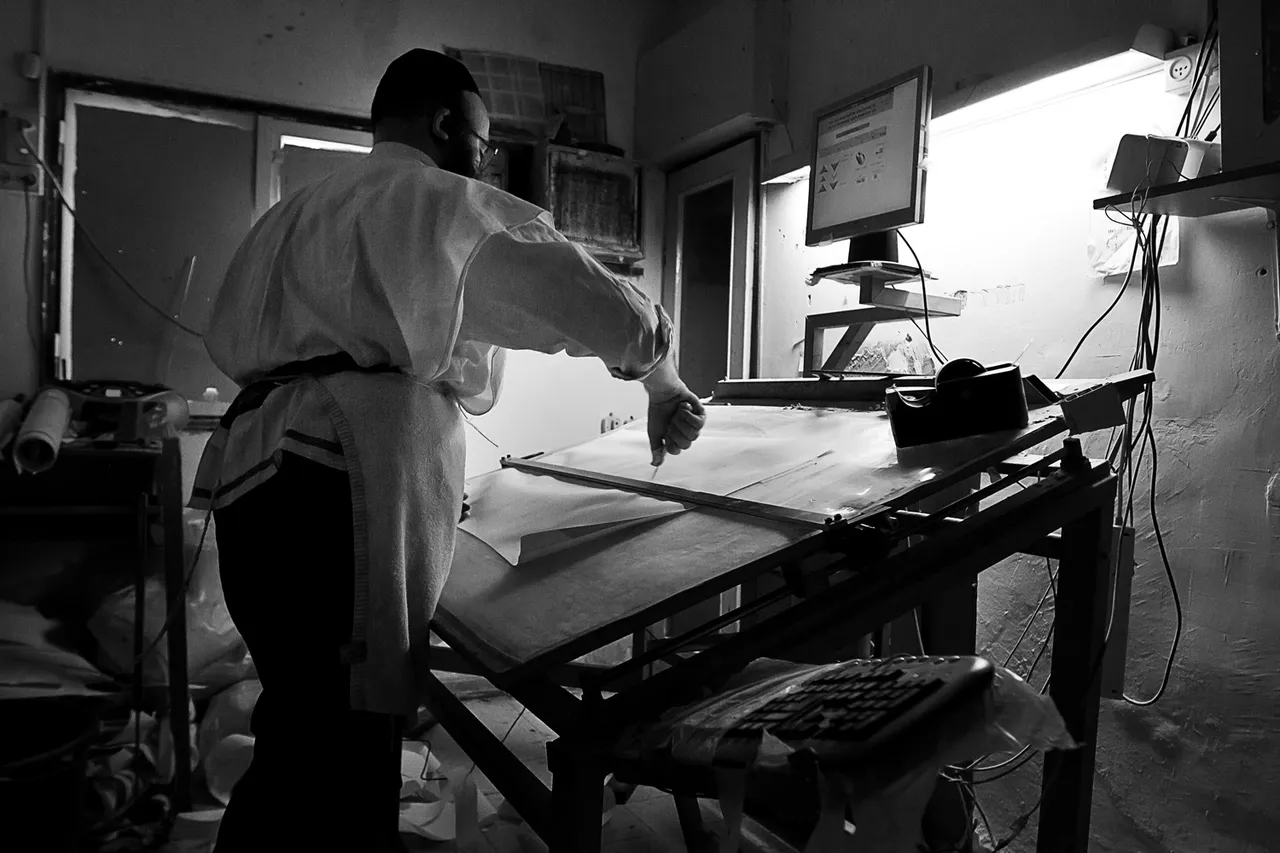
The marker ("Sartat").
20/42The marker ("Sartat"). Prepares the Torah scroll leather by marking the lines and columns for the writer.
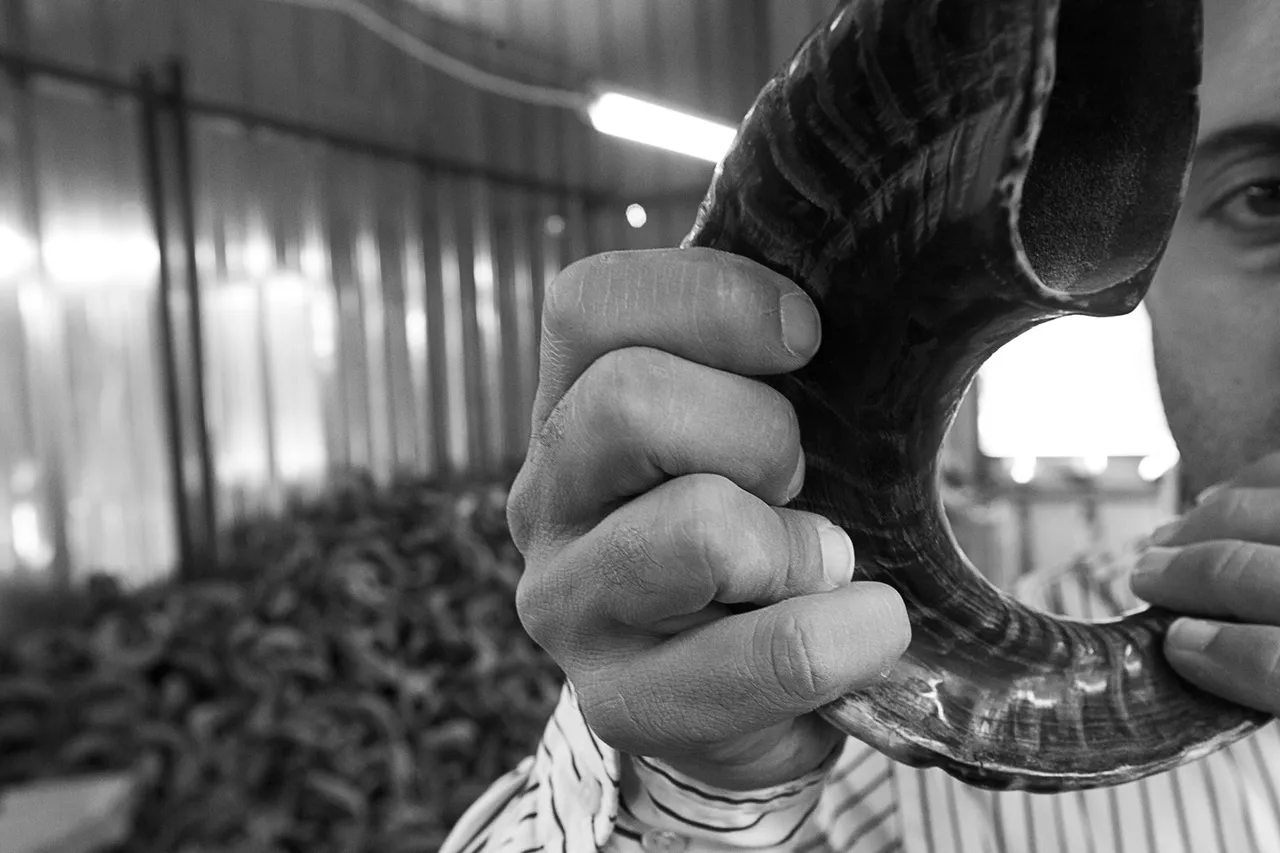
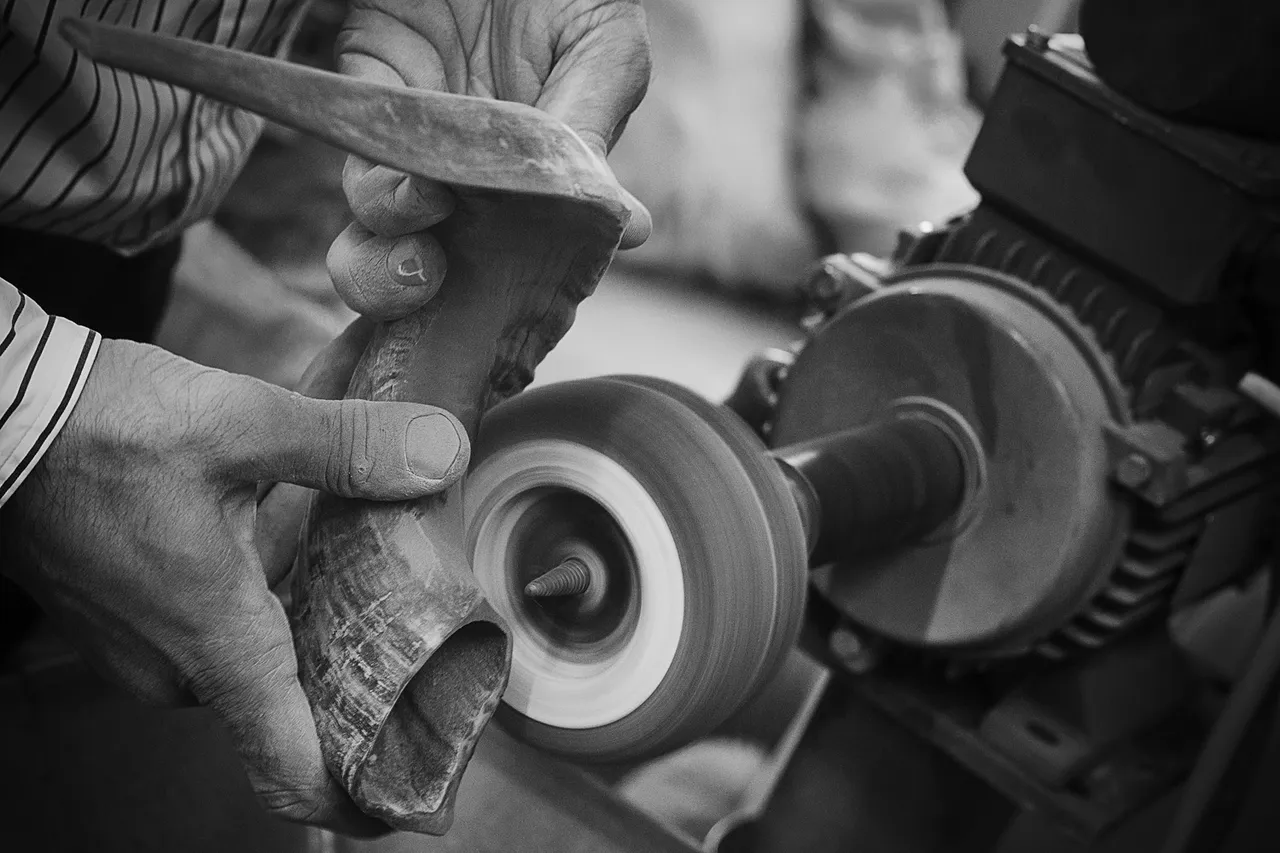
The Shofar maker.
21/42The Shofar maker. The shofar, a musical instrument of ancient origin, is made of a horn, traditionally that of a ram, used for Jewish religious purposes.
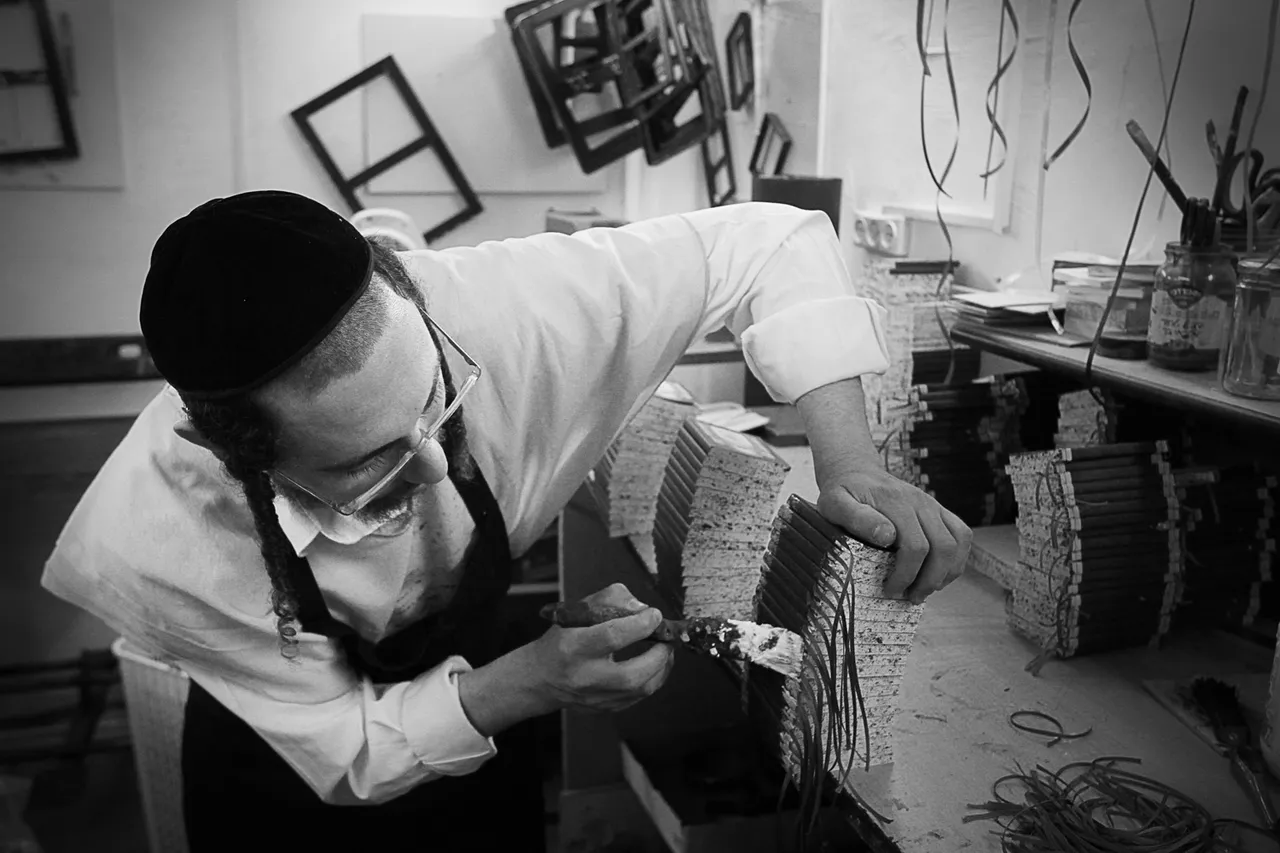
The binder.
22/42The binder. Prayer books, Hagada and other Jewish books are all bound manually with a leather casing and a lacing bookmark.
The leather cutter.
23/42The leather cutter. Manually cuts the leather straps (for Tefillin) from the raw processed leather piece with great accuracy as they have to be in a specific width all the way.
The Kugel cook.
24/42The Kugel cook. Kugel is a baked pie, most commonly made from egg noodles or potato. It is a traditional Ashkenazi Jewish dish, often served on Shabbat and Yom Tov.
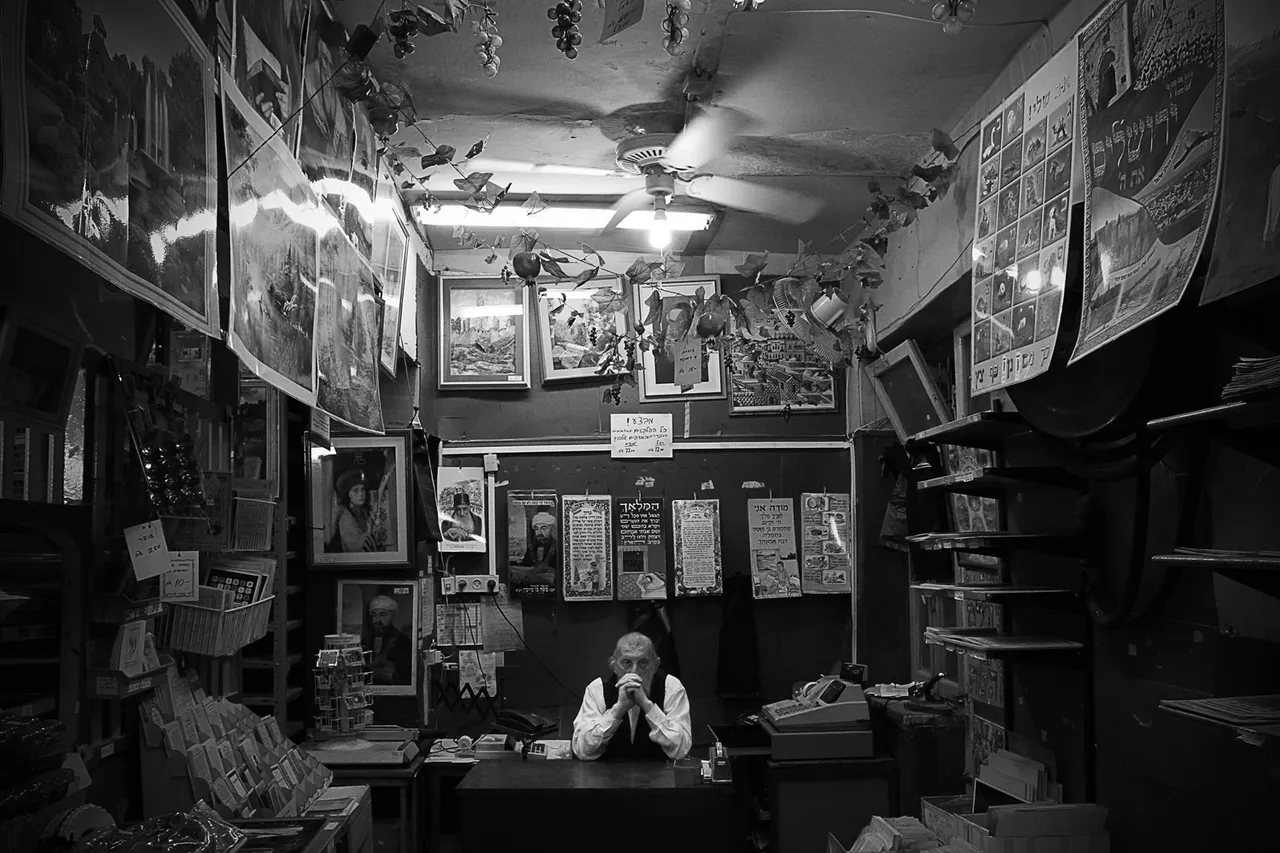
Posters seller.
25/42Posters seller. Posters of Jewish Rabbis and Jewish prayers often decorate the houses of Ultra-Orthodox Jews.
The Tefillin maker.
26/42The Tefillin maker. The making of Tefillin boxes involves carving of the leather and shaping it to the accurate box form.
The Tefillin maker.
27/42The Tefillin maker. The making of Tefillin boxes start by putting thick pieces of leather under a heavy press
Torah rollers maker.
28/42Torah rollers maker. The rollers, traditionally known as Atzei Chaim are sturdy, decorated wooden pieces that will carry the Torah book scroll.
The wool supervisor.
29/42The wool supervisor. The sheep wool is cut and then used to make the 'Tzizit' (fringes on the corners of an upper garment).
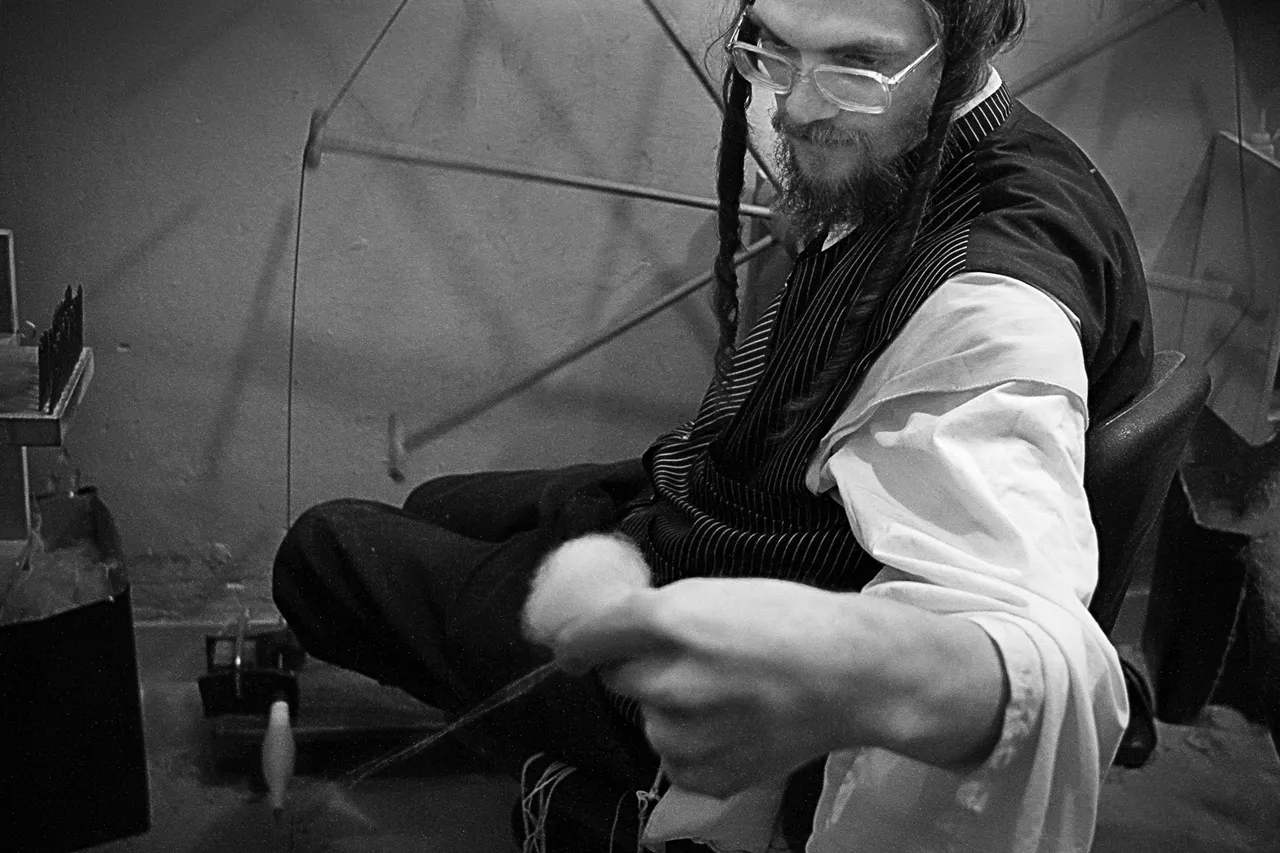
Tzizit wool spinner.
30/42Tzizit wool spinner. The spinning wheel is used to convert the sheep wool into threads later used for the 'Tzizit' (fringes on the corners of an upper garment).
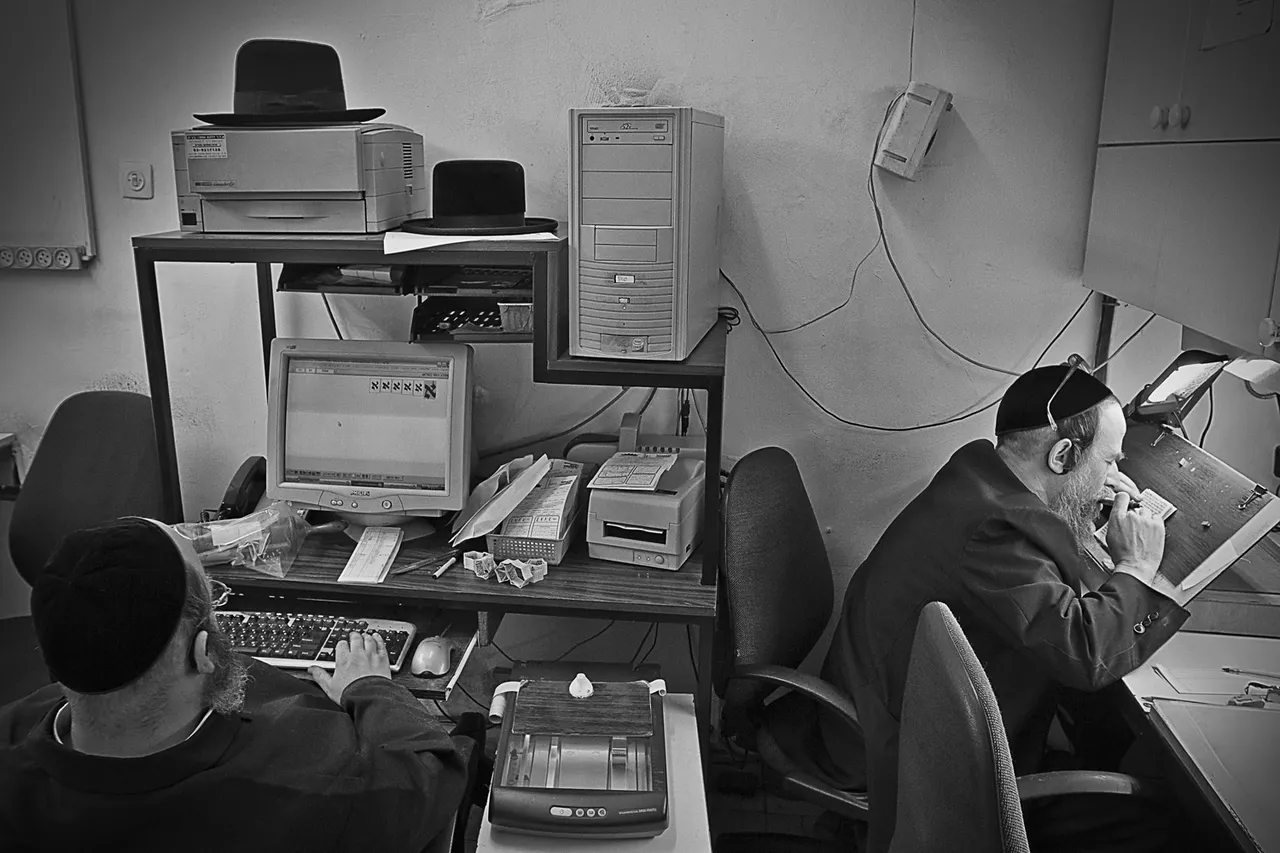
The scroll supervisors ("bodkim").
31/42The scroll supervisors ("bodkim"). Mezuzah and Tefillin scrolls must be checked every few years to ensure that they are Kosher.
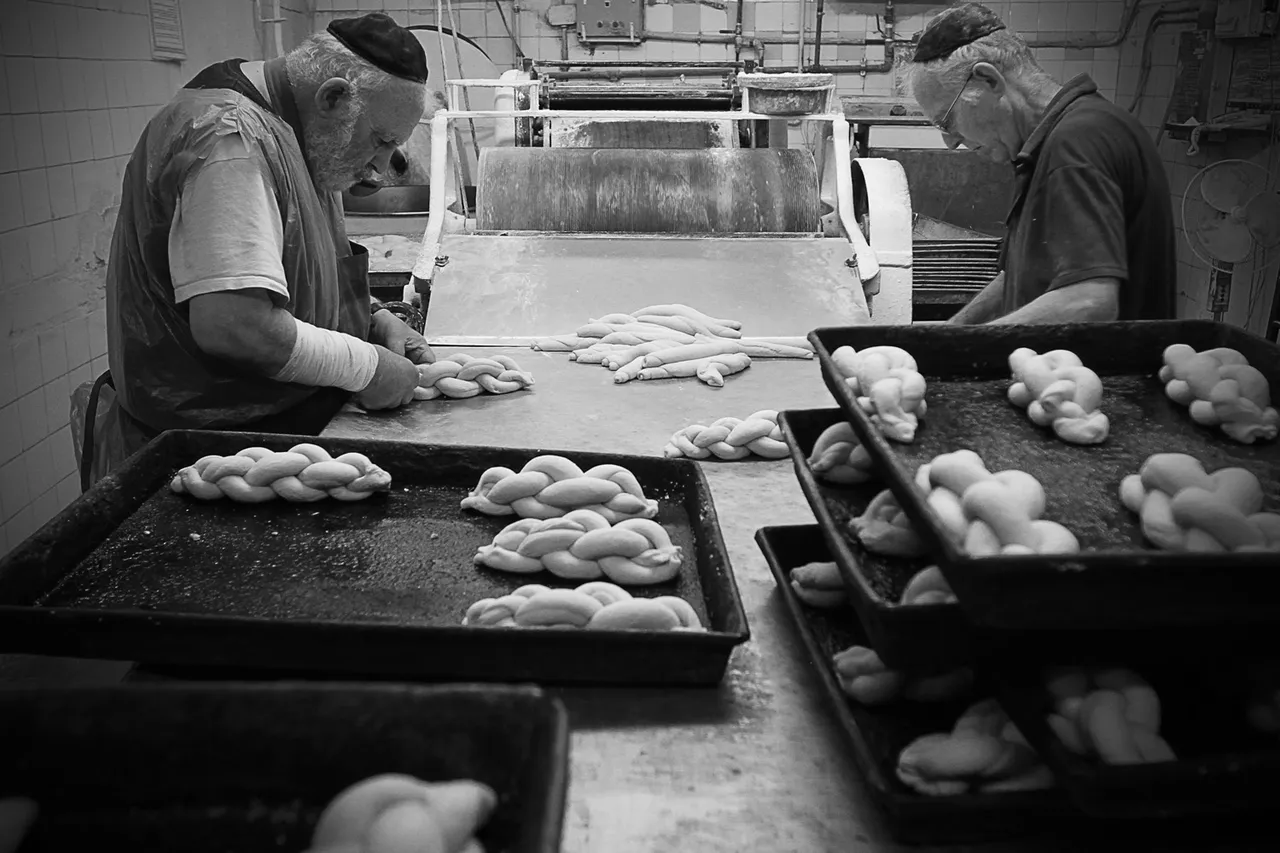
The "Challah" (Jewish bread) bakers.
32/42The "Challah" (Jewish bread) bakers. Challa is a soft, sweet bread loave customarily eaten by the Shabbat meals and used for blessing.
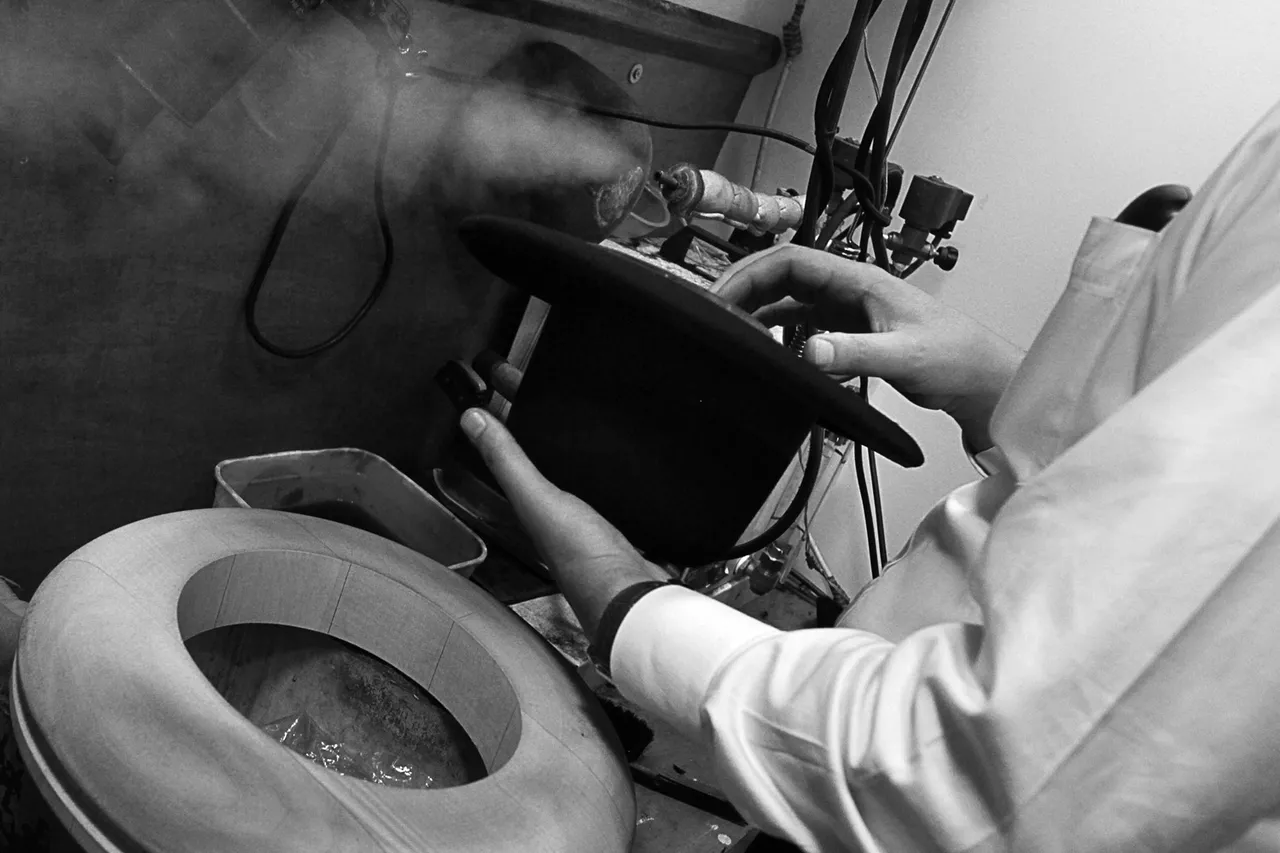
The hats maker.
33/42The hats maker. Every ultra orthodox men has a hassidic hat. There are many variants. The hats are frequently cleaned and maintained.
The Kugel cook.
34/42The Kugel cook. Kugel is a baked pie, most commonly made from egg noodles or potato. It is a traditional Ashkenazi Jewish dish, often served on Shabbat and Yom Tov.
The Shofar maker.
35/42The Shofar maker. The shofar, a musical instrument of ancient origin, is made of a horn, traditionally that of a ram, used for Jewish religious purposes.
The leather cutter.
36/42The leather cutter. The making of Tefillin boxes start by cutting hardened pieces of leather and then shaping them into symmetrical boxes.
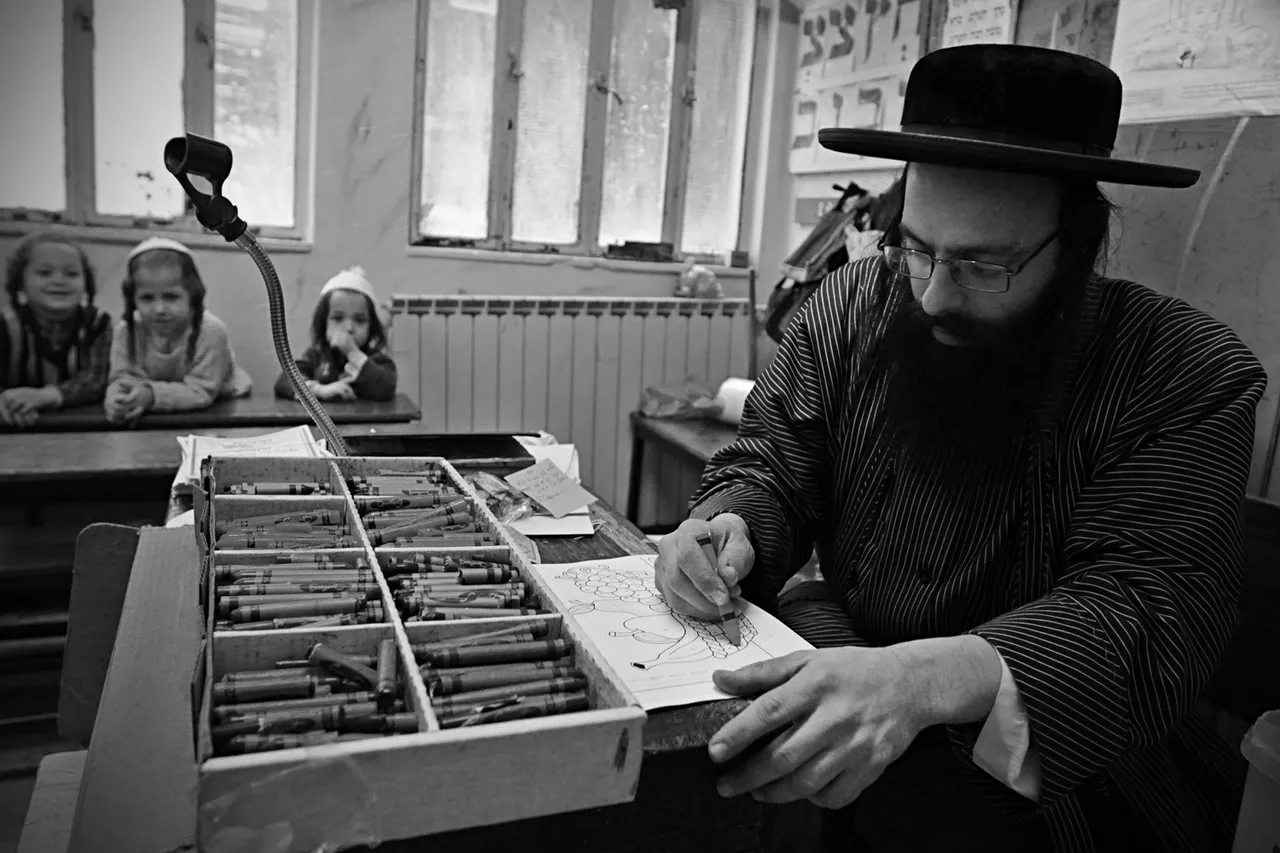
The "Melamed" (toddlers teacher)
37/42The "Melamed" (toddlers teacher)
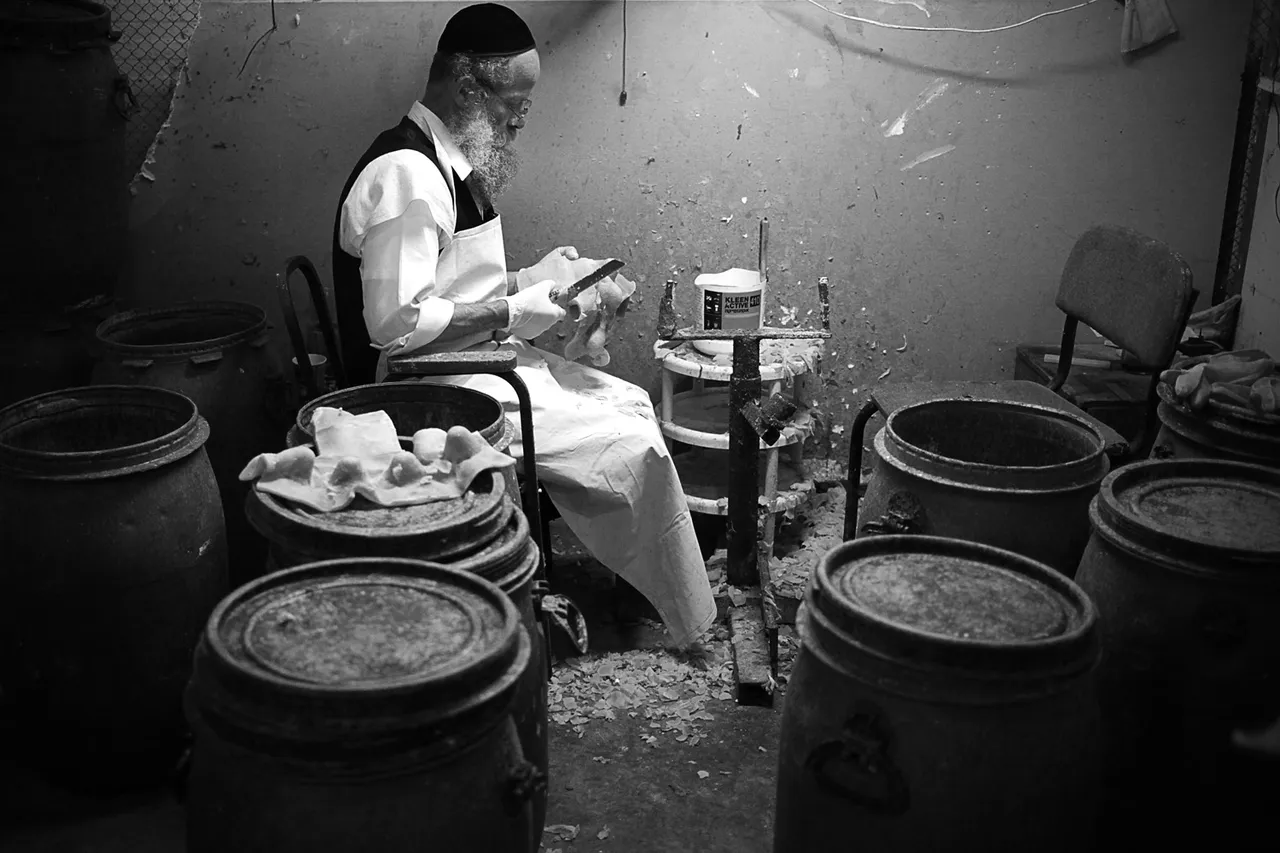
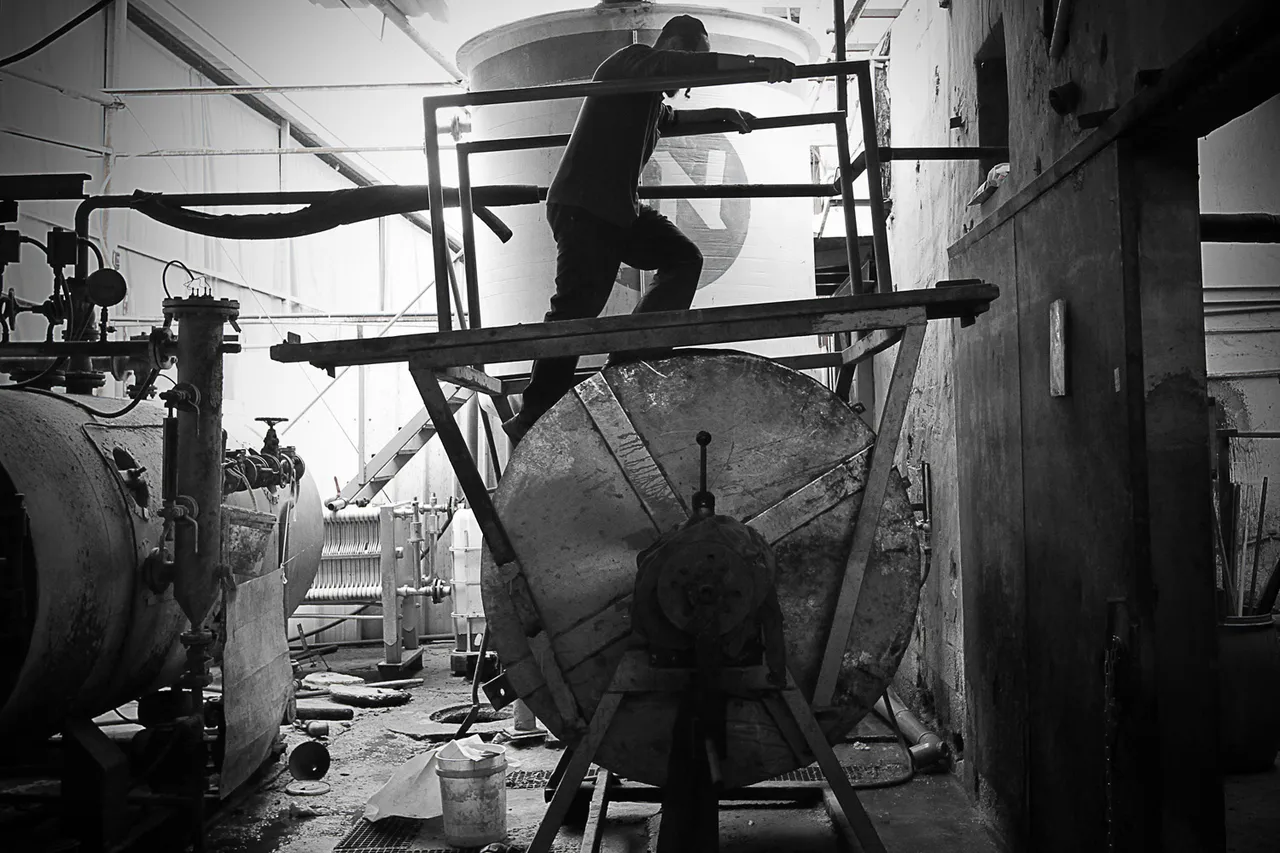
The tanner.
38/42The tanner. The making of Tefillin start with a long laundry process involving hours of manual turning of the raw leather pieces in a barrel with various chemicals.
The Shofar maker.
39/42The Shofar maker. The shofar, a musical instrument of ancient origin, is made of a horn, traditionally that of a ram, used for Jewish religious purposes.
The "Shoykhet" (ritual slaughterer).
40/42The "Shoykhet" (ritual slaughterer). Mammals and birds slaughter for food needs to be done according to Jewish dietary laws, killed "with respect and compassion".
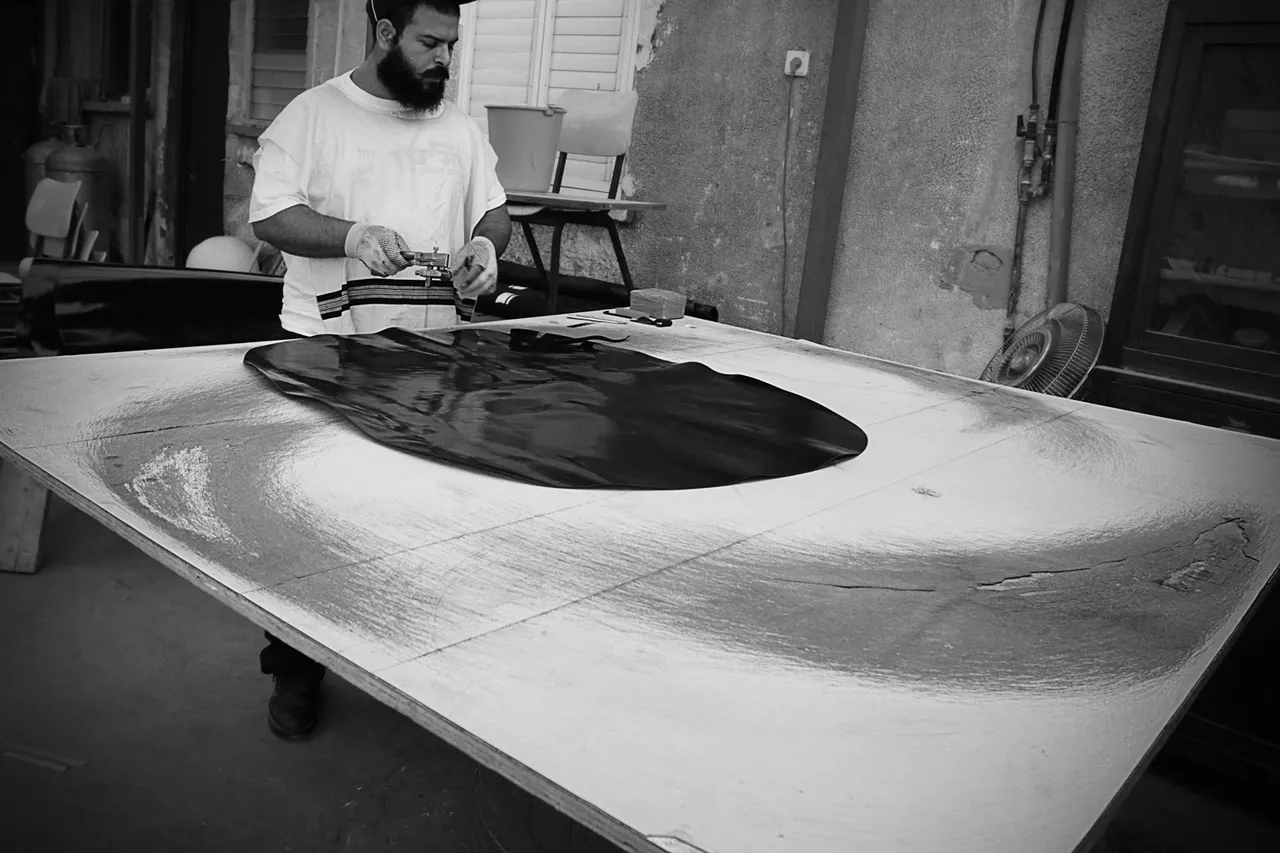
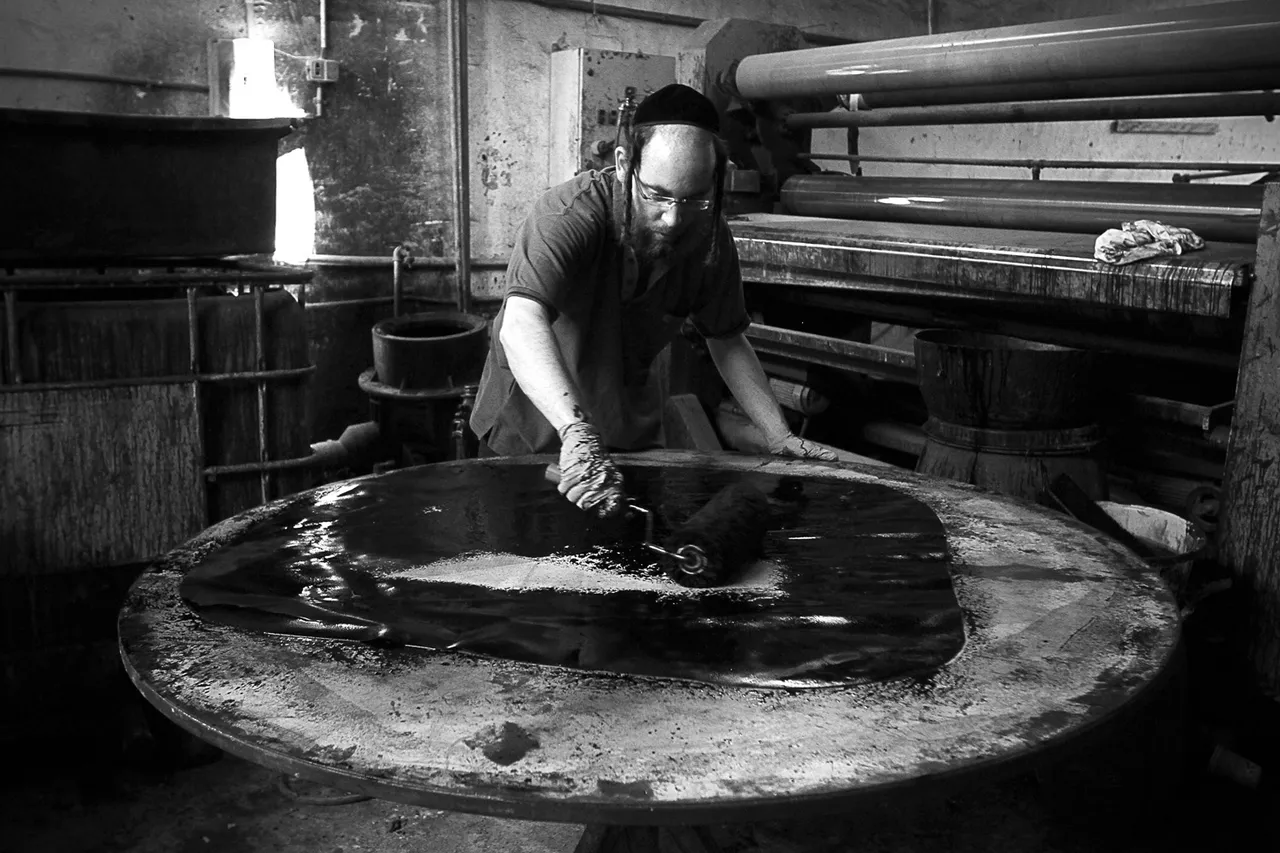
The leather painter.
41/42The leather painter. The making of Tefillin straps start by painting black pieces of leather and then cutting them into long straps.
The circumciser ("Mohel") performs the act of circumcision on a newborn baby boy 7 days after the birth.
42/42The circumciser ("Mohel") performs the act of circumcision on a newborn baby boy 7 days after the birth.