Road of Bones

Winter on the Kolyma Highway, the road built by Gulag prisoners across the Russian Far East.

Scroll

The Road of Bones is a 2,500 KM gravel road situated in east Siberia in the Sakha Yakutia Republic. The road connects the cities of Yakutsk and Magadan. It was built by workers from the work camps (Gulag) under the Stalinist era to fulfill the Industrialization and Collectivization goals. Prisoners and "Enemy of the People", as defined by the government, were sent from all over the former Soviet Union to the work camps for imprisonment and oppressive work. 90 percent of them did not survive the hard work and harsh conditions as temperatures get down to -70 C. Yakutian nomads were forced to form villages and towns and give up their nomadic lives. The road is known as the Road of Bones as the skeletons of the forced laborers who died during its construction were used in many of its foundations.
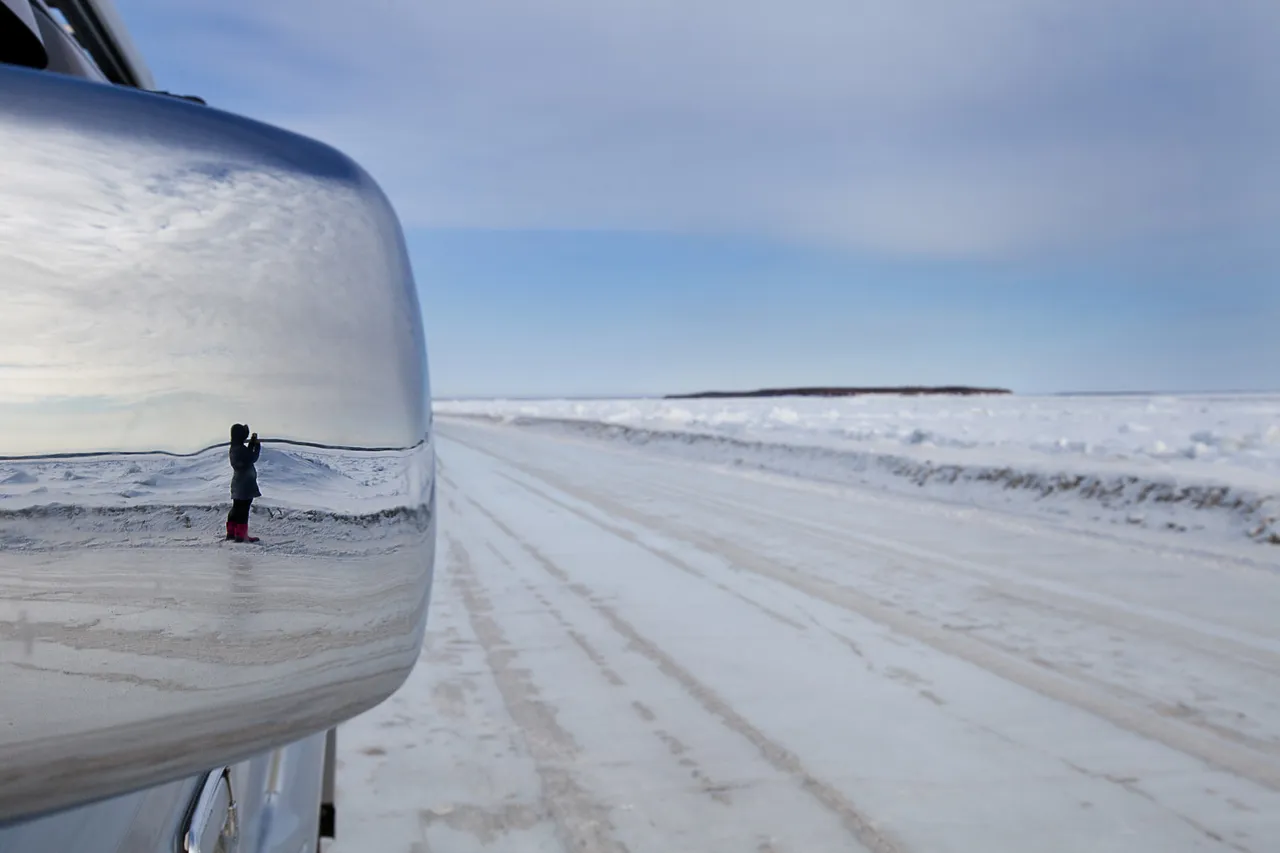
The Road of Bones starts from the city of Yakutsk, residing on the wide Lena river.
1/41The Road of Bones starts from the city of Yakutsk, residing on the wide Lena river. The river was used to bring prisoners from accross the Soviet Union to Yakutsk and from there to the work camps. During the long winter months, the river freezes five meters deep, allowing trucks to pass on it
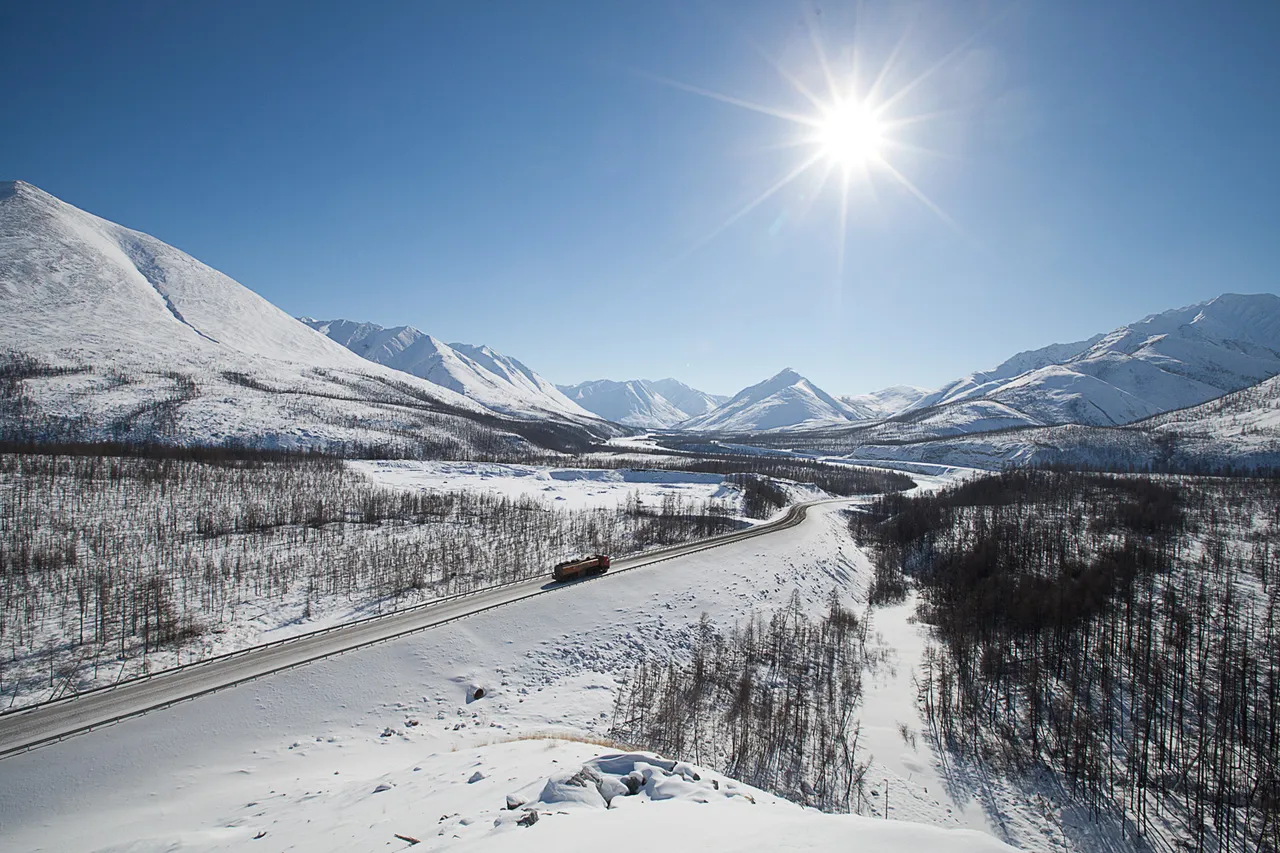
The road of bones, also known today as the R504 Kolyma Highway, stretches from Yakutsk in the east to Magadan on the west, and is mainly a winding 2500 KM of gravel covered with…
2/41The road of bones, also known today as the R504 Kolyma Highway, stretches from Yakutsk in the east to Magadan on the west, and is mainly a winding 2500 KM of gravel covered with ice and snow passing through mountains and across frozen rivers and tundra areas
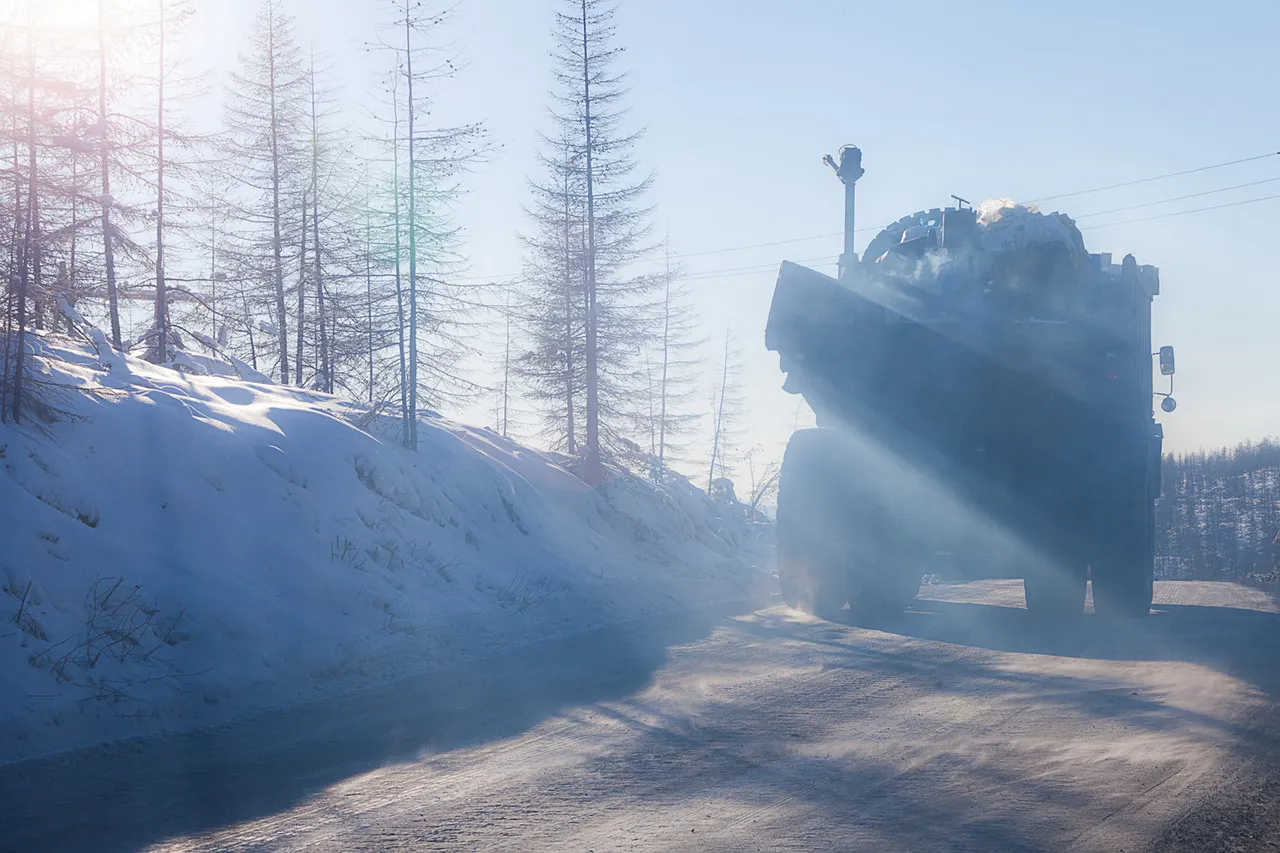
The road is icy and snowy in most of its parts and there are mainly trucks to be seen.
3/41The road is icy and snowy in most of its parts and there are mainly trucks to be seen. Some parts of the road can be passed only during winter as rivers and swamps freeze completely
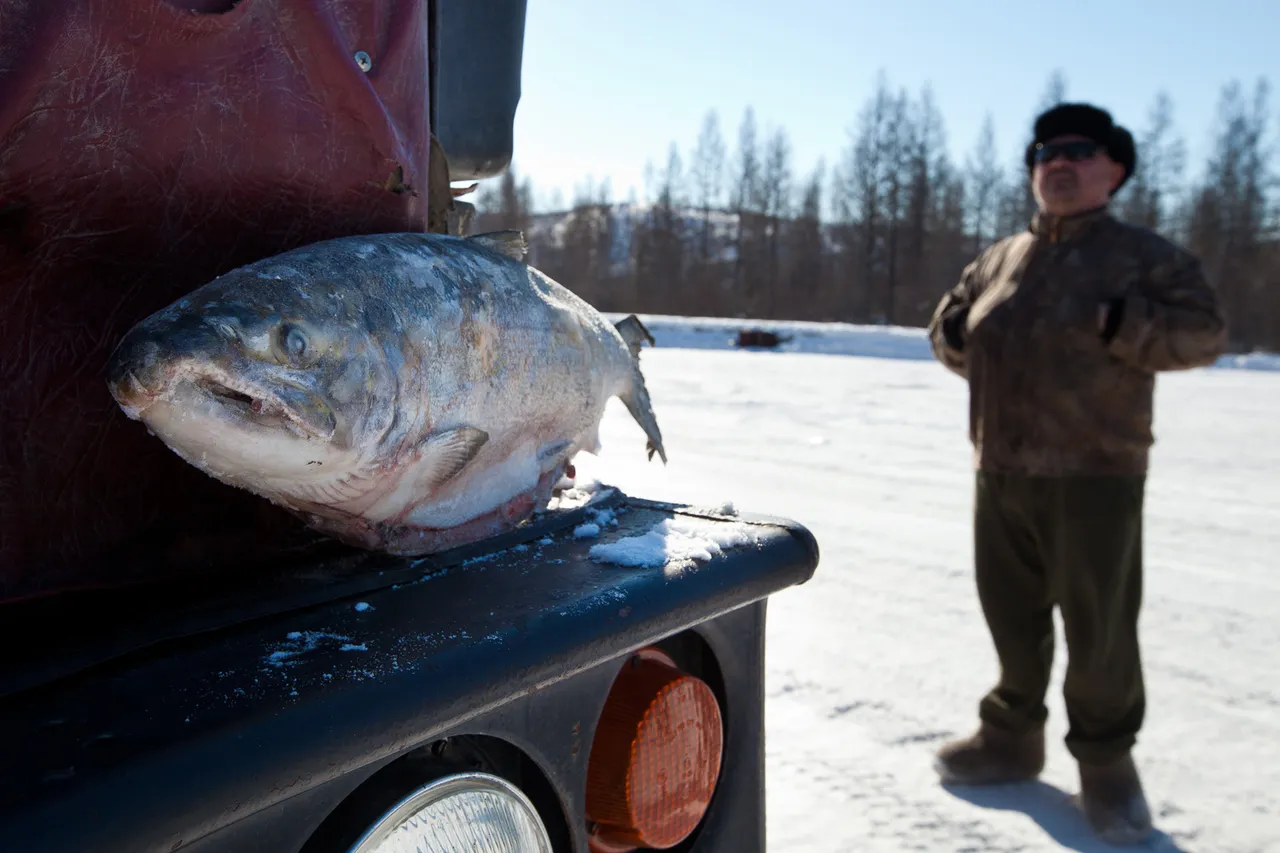
The temperatures during winter are constantly below zero so truck drivers carry with them meat and fish and during stops they leave them outside the truck cabin
4/41The temperatures during winter are constantly below zero so truck drivers carry with them meat and fish and during stops they leave them outside the truck cabin
The town of Khandiga.
5/41The town of Khandiga. Khandiga was once a transfer town where Gulag officials decided on the prisoners work's assignment - coal mines, gold mines, road construction, etc.
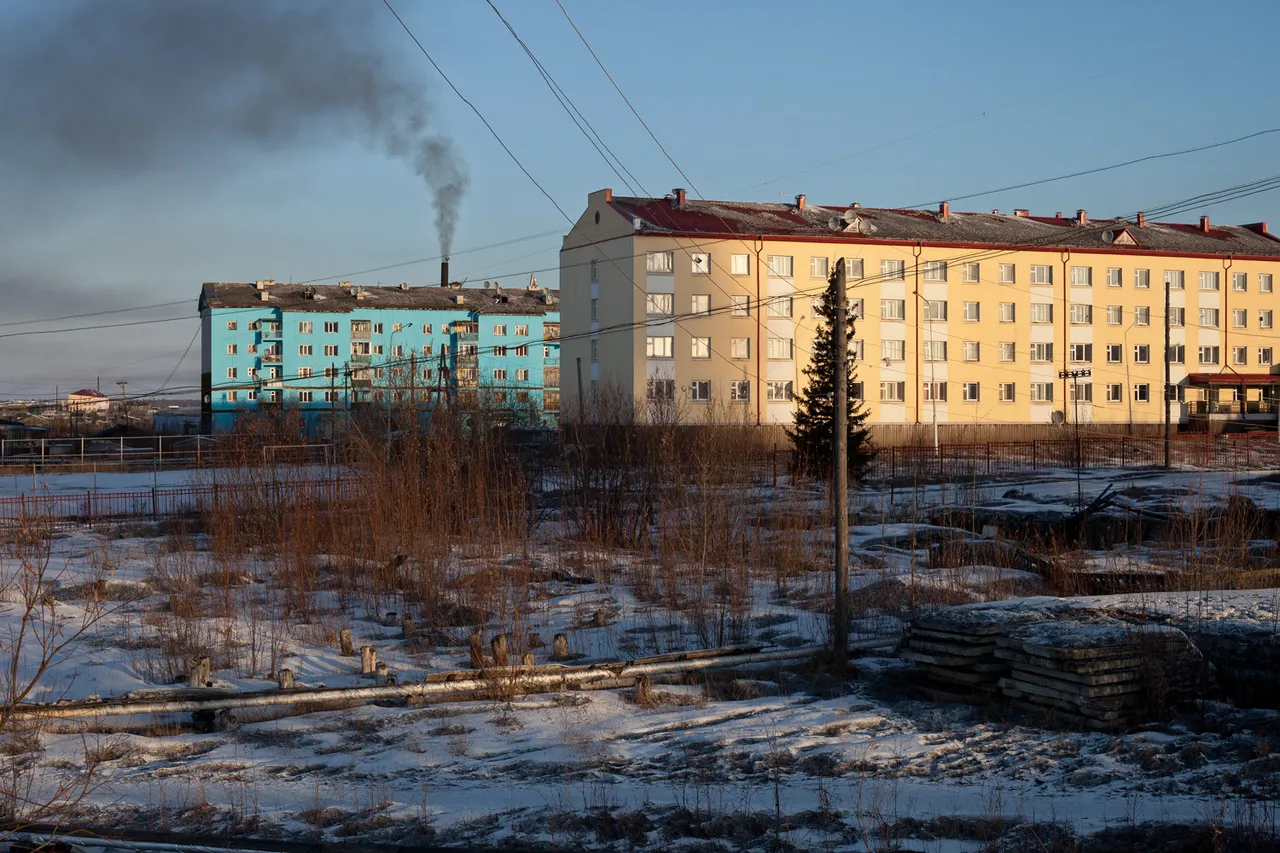
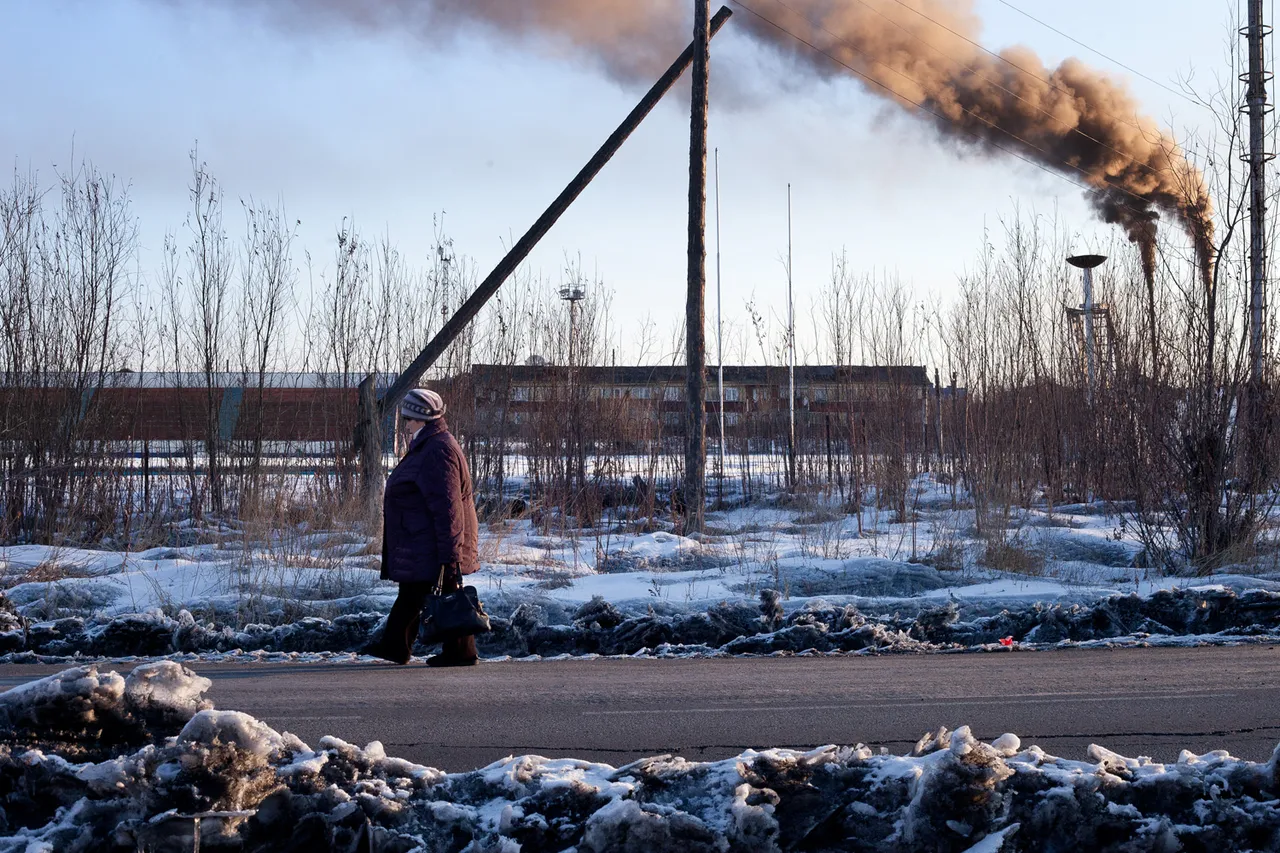
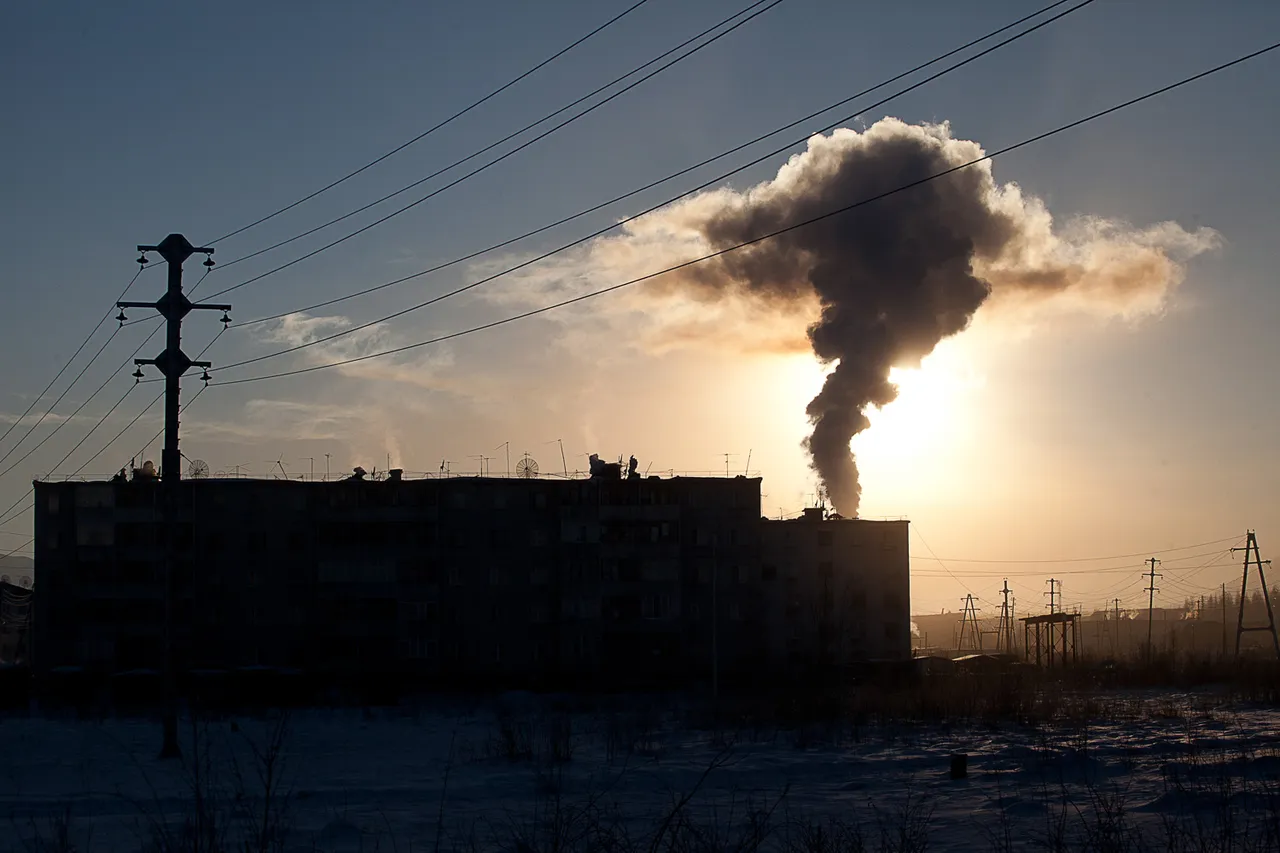
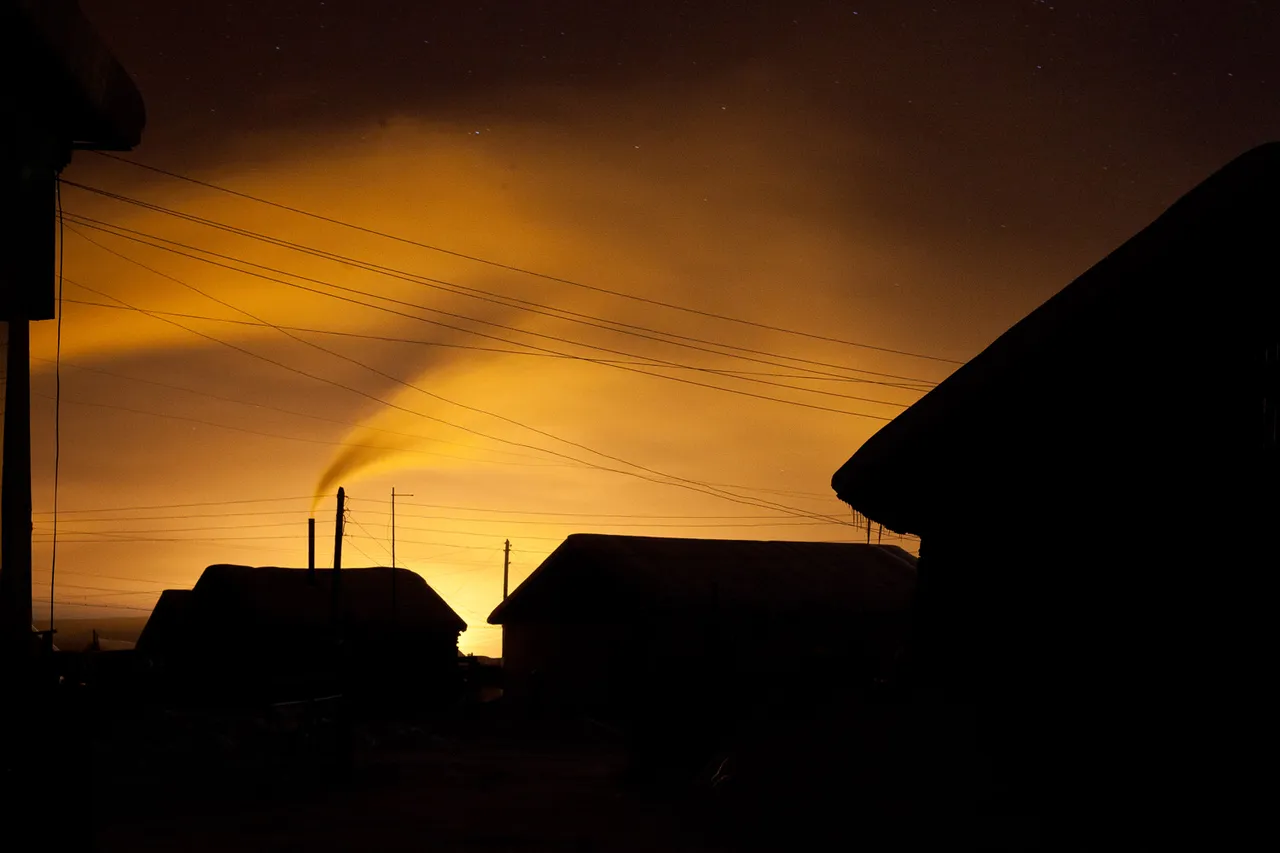
Khandiga, like other towns and villages on the road, generates its own energy using local coal-based factories.
6/41Khandiga, like other towns and villages on the road, generates its own energy using local coal-based factories. The city is constantly covered with black smoke and burned coal soot
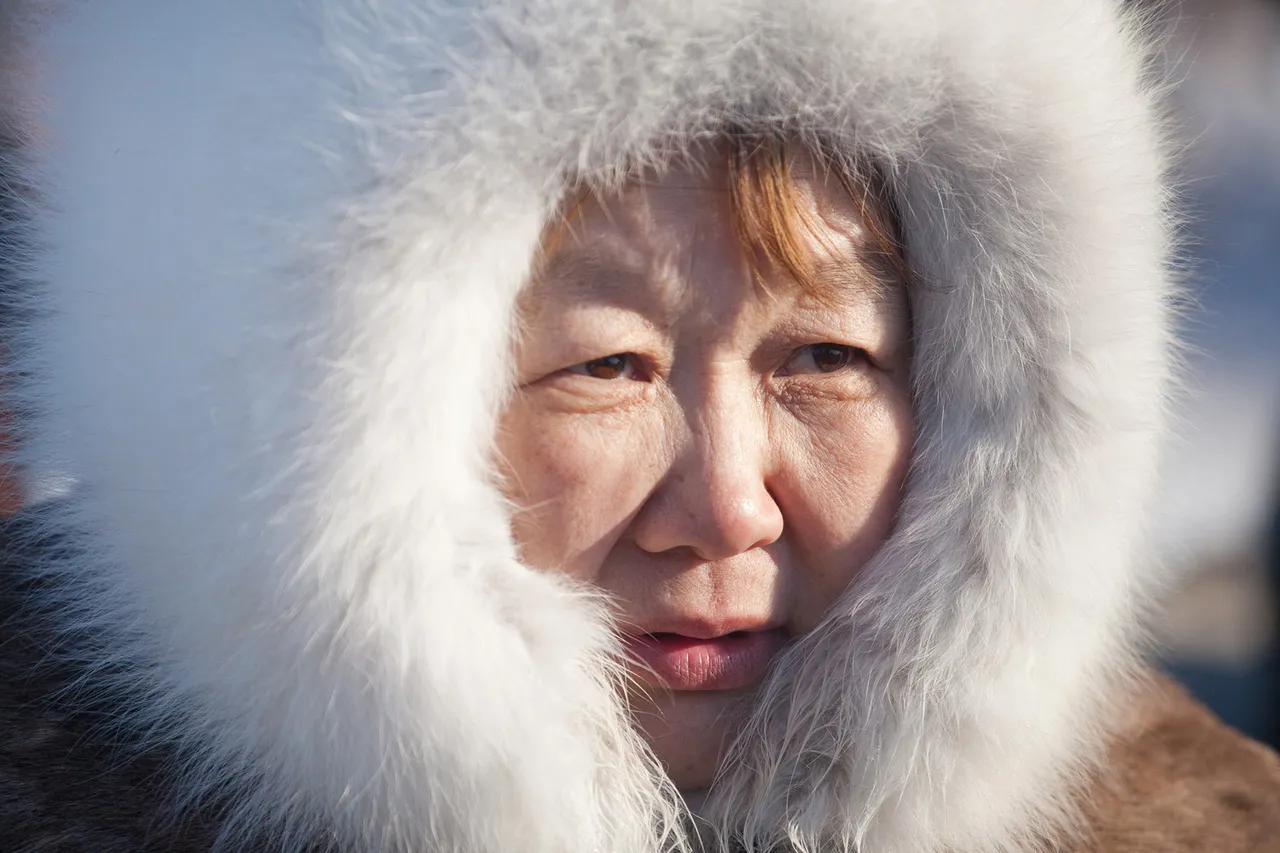
The Yakutian people were mostly nomads before the Stalin era and were forced to form villages (kolkhoz) and settle due to the collectivization instructions
7/41The Yakutian people were mostly nomads before the Stalin era and were forced to form villages (kolkhoz) and settle due to the collectivization instructions
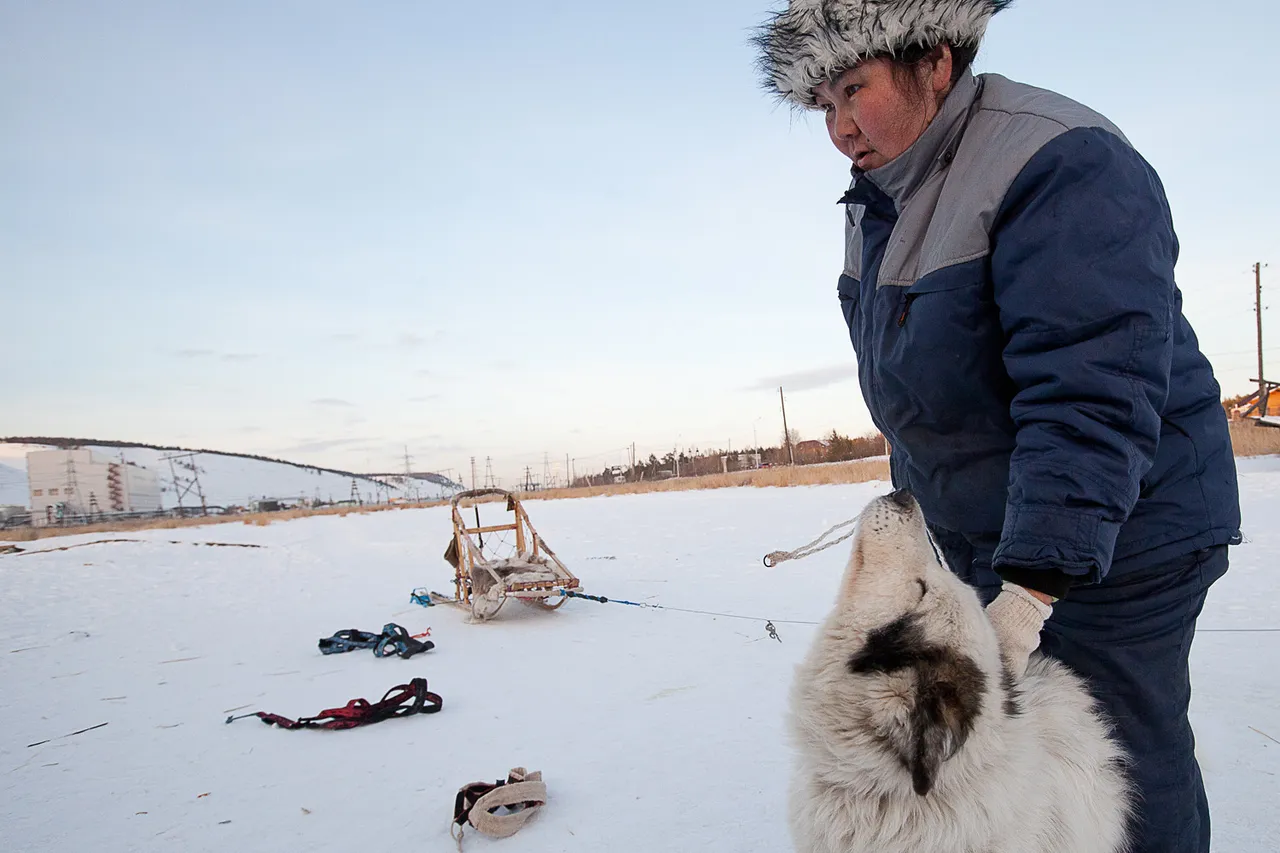
Many of the Yakutian people still use dogs and sleds as a mean of transportation to get from one village to another
8/41Many of the Yakutian people still use dogs and sleds as a mean of transportation to get from one village to another
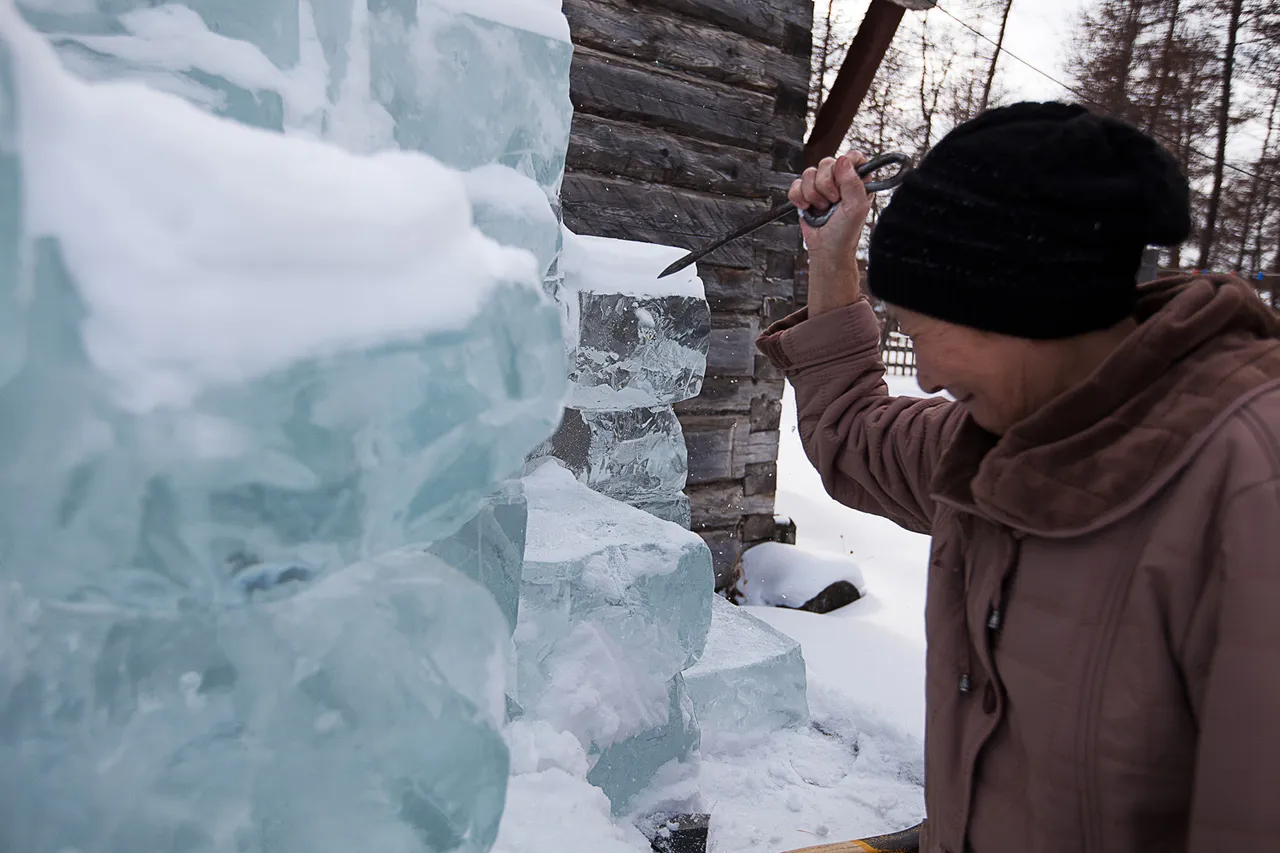
There is no modern water supply infrastructure on the towns along the road, so villagers cut big ice cubes from the frozen rivers, keeping them outside their houses and using th…
9/41There is no modern water supply infrastructure on the towns along the road, so villagers cut big ice cubes from the frozen rivers, keeping them outside their houses and using them for drinking and washing water when needed.
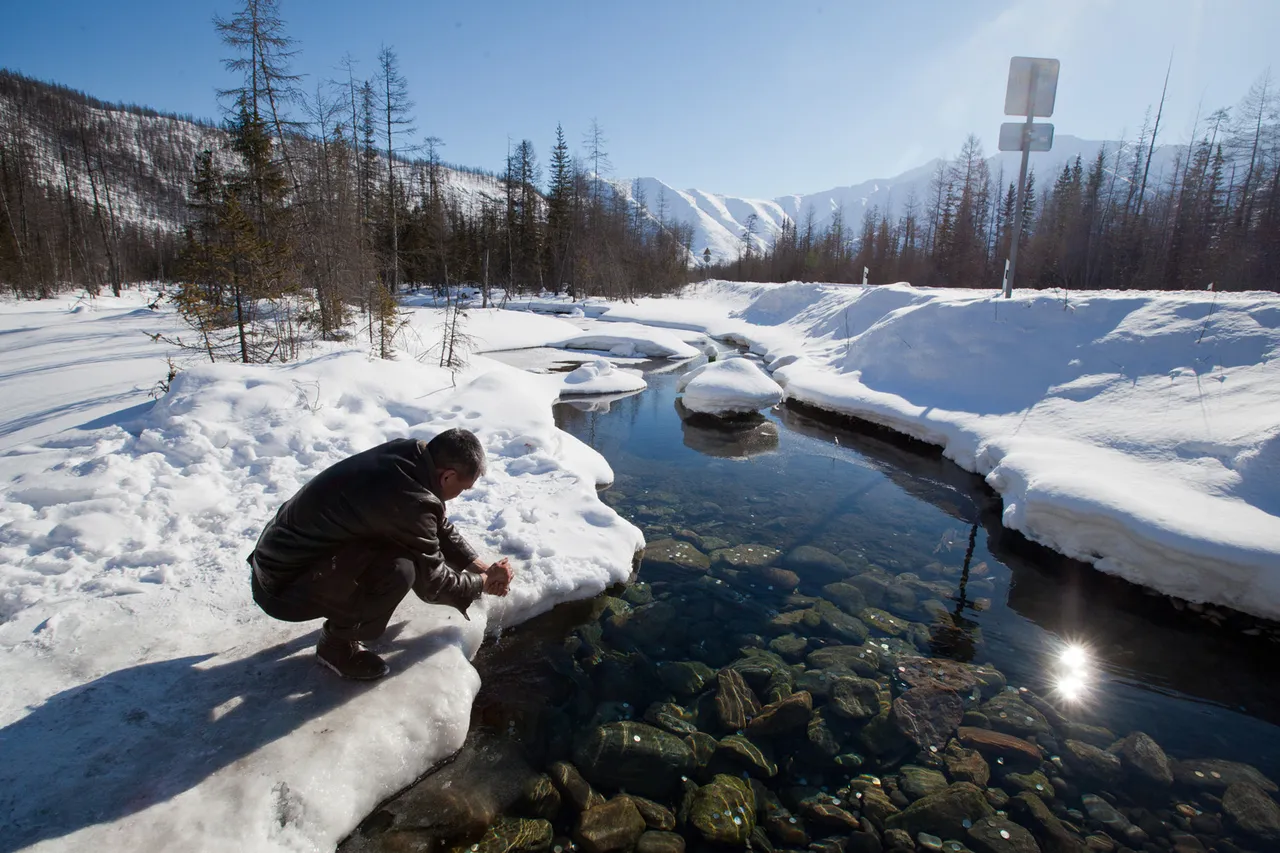
Shaman's creek is an area with hot water springs emerging from the ground.
10/41Shaman's creek is an area with hot water springs emerging from the ground. The place is sacred to those who practice Shamanizm
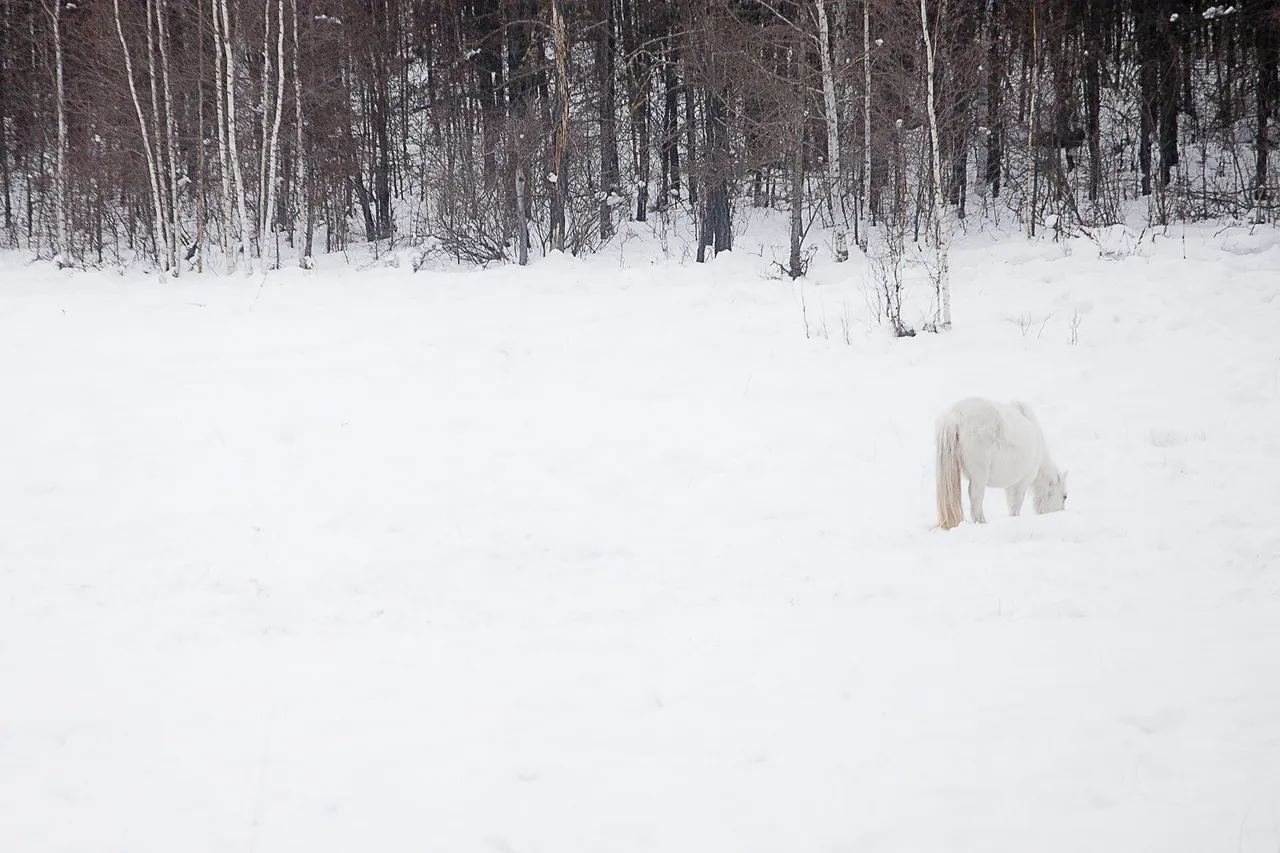
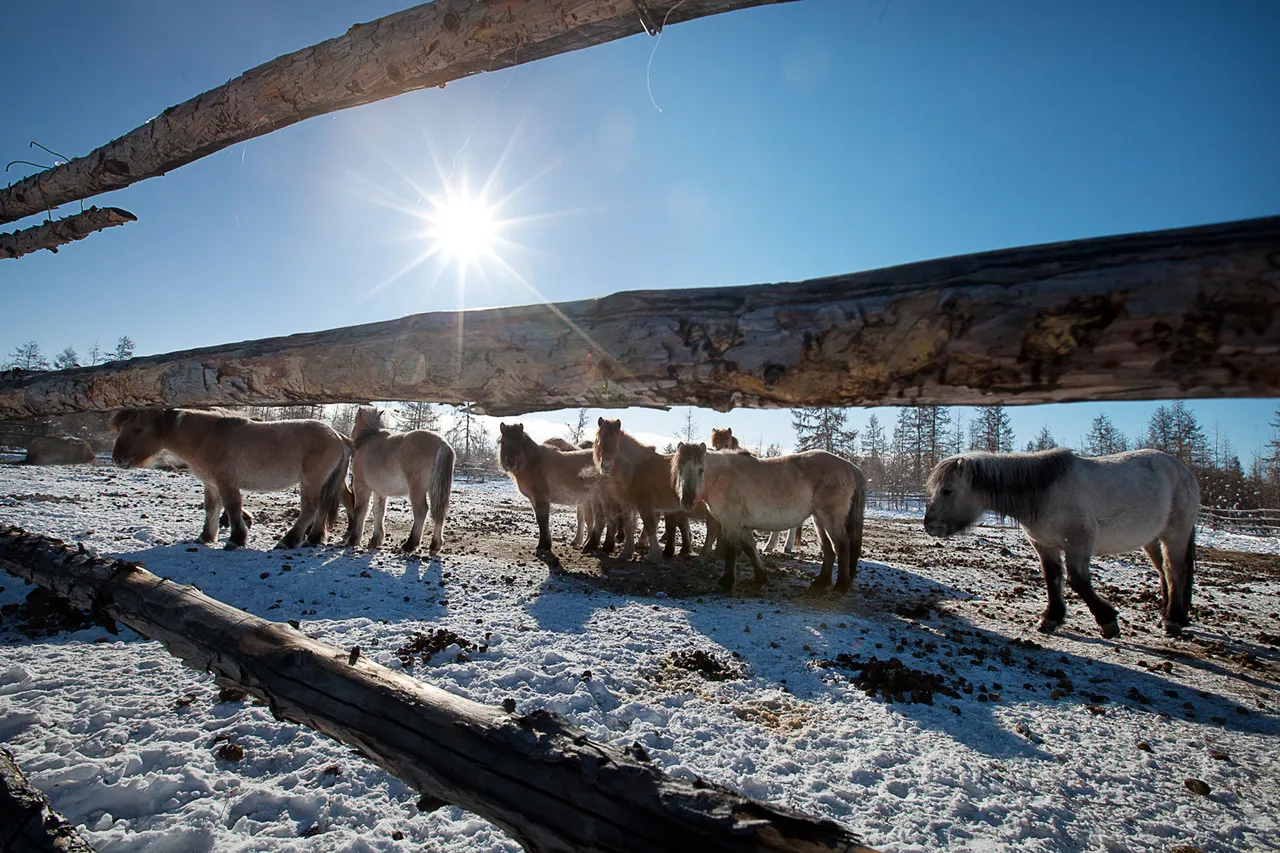
The Yakutian horses are very resilient and manage to sustain themselves in the harsh area conditions, digging and finding food deep under the snow.
11/41The Yakutian horses are very resilient and manage to sustain themselves in the harsh area conditions, digging and finding food deep under the snow. The horses are critical for the survival of the Yakutian villagers as their meat is one of their primary sources of food.
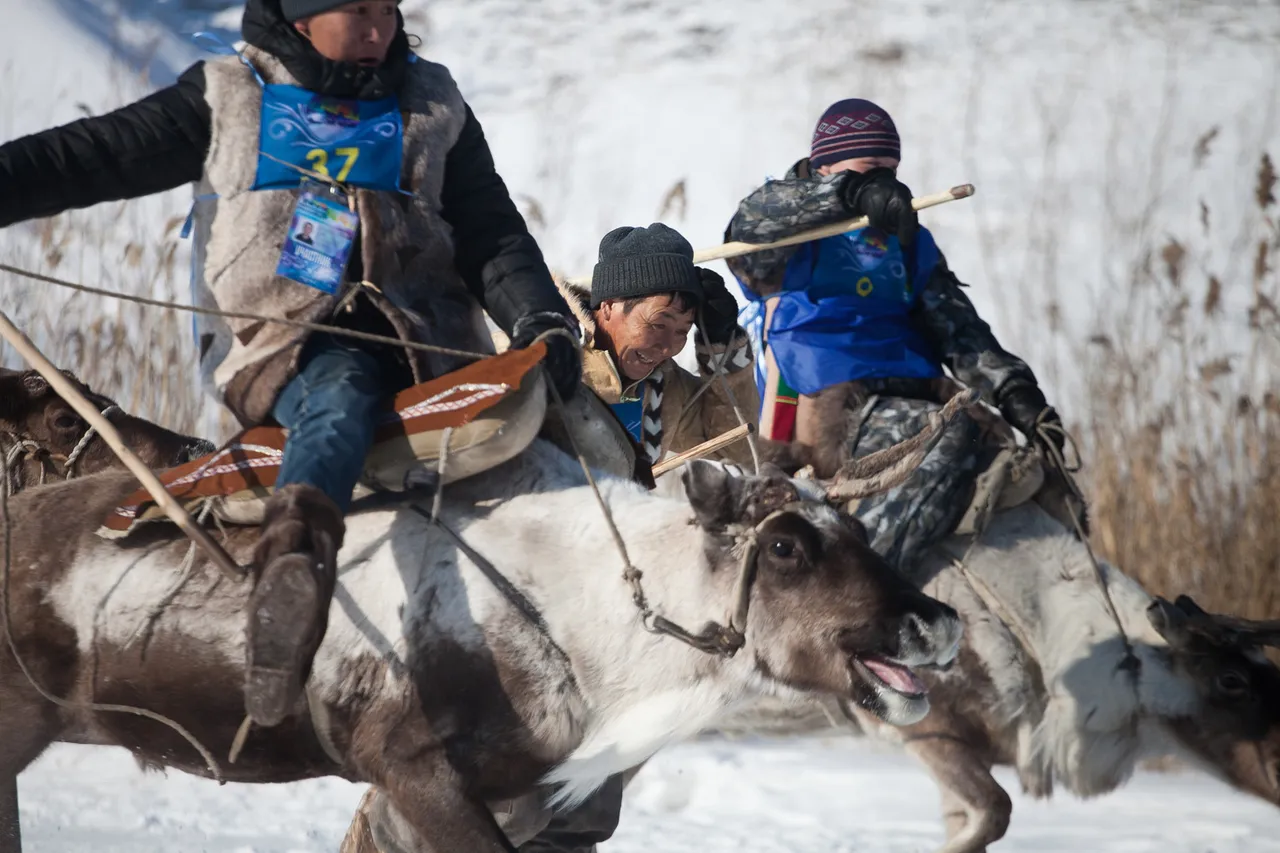
Reindeers herders race on the vast planes of snow.
12/41Reindeers herders race on the vast planes of snow. Reindeers are crucial to the Yakutian people both as a work beast and as a source of food.
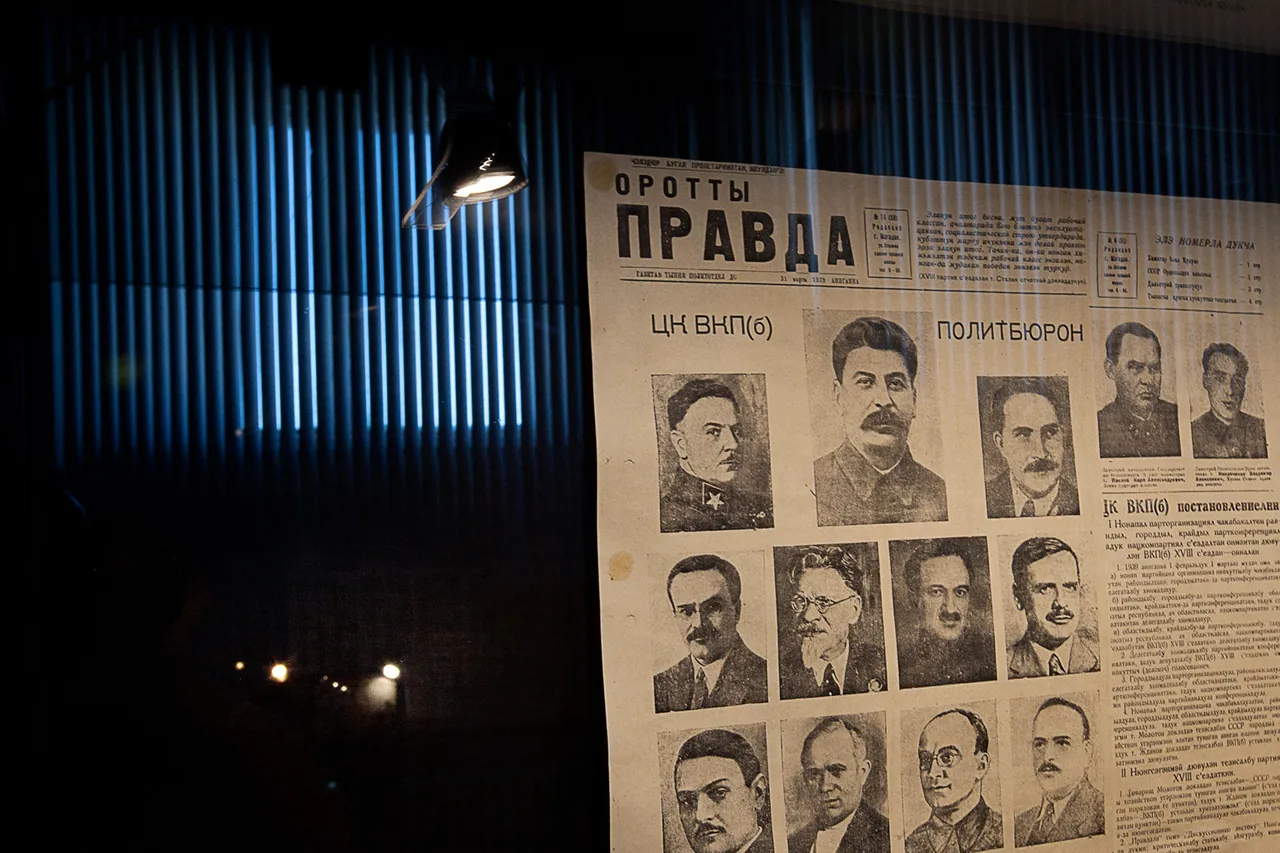
Some of the work camps issued local newspapers, but they were forced to praise the leaders such as Stalin and provide untruthful news
13/41Some of the work camps issued local newspapers, but they were forced to praise the leaders such as Stalin and provide untruthful news
Rare remains of a wooden telephone booth on the side of the road where individuals could report to the Stalin regime of a person they suspect to be an "enemy of the people".
14/41Rare remains of a wooden telephone booth on the side of the road where individuals could report to the Stalin regime of a person they suspect to be an "enemy of the people". These booths were active until the perestroika days
Sunrise over Oymyakon.
15/41Sunrise over Oymyakon. Oymyakon is a small village which was once on the path of the road, before the path changed. It's considered to be the coldest settlement on earth with the lowest temperature ever measured: -72C
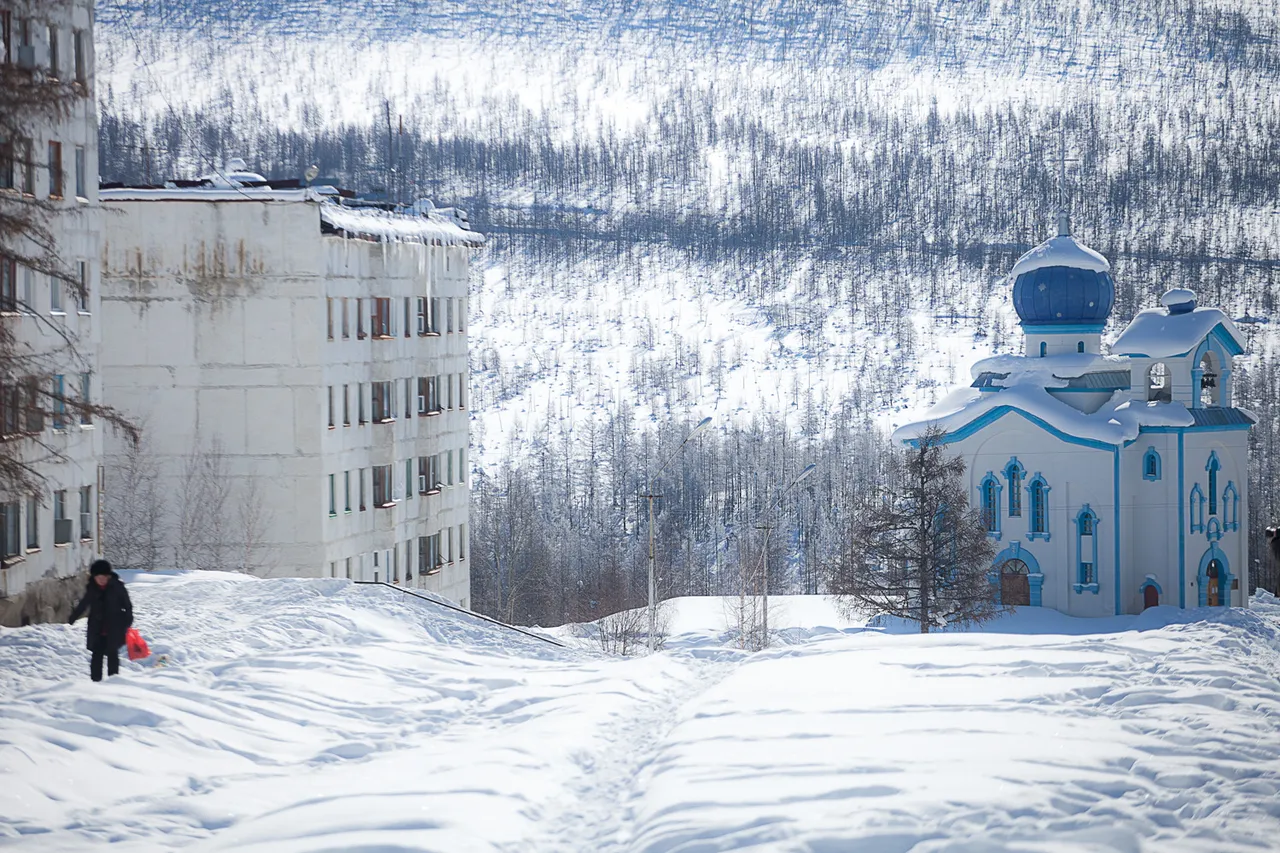
Despite the fact that the city Sinegorye is mostly abandoned, there is a big church serving the little Christian community
16/41Despite the fact that the city Sinegorye is mostly abandoned, there is a big church serving the little Christian community
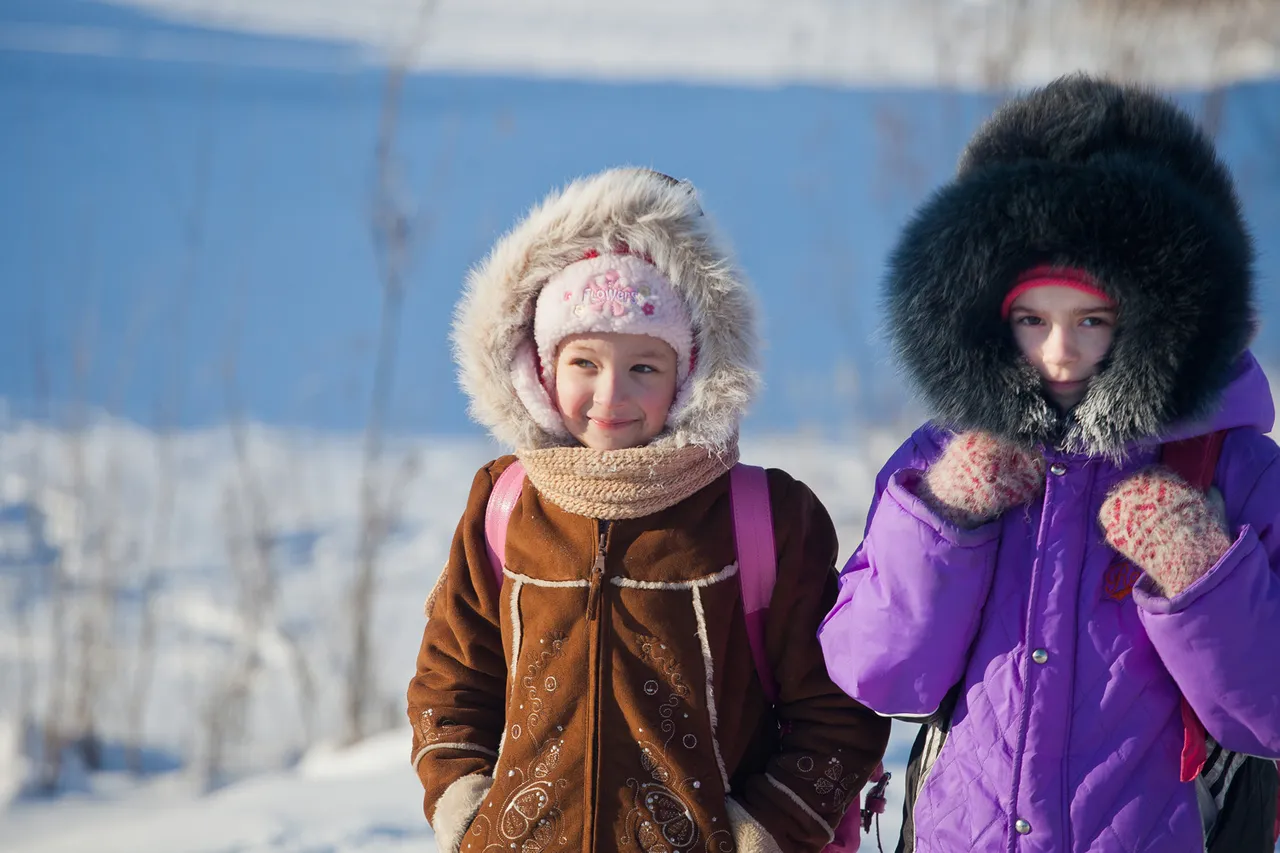
The extreme conditions during winter may affect young children.
17/41The extreme conditions during winter may affect young children. The children are allowed to stay home and skip school only if the temperatures go under -45C.
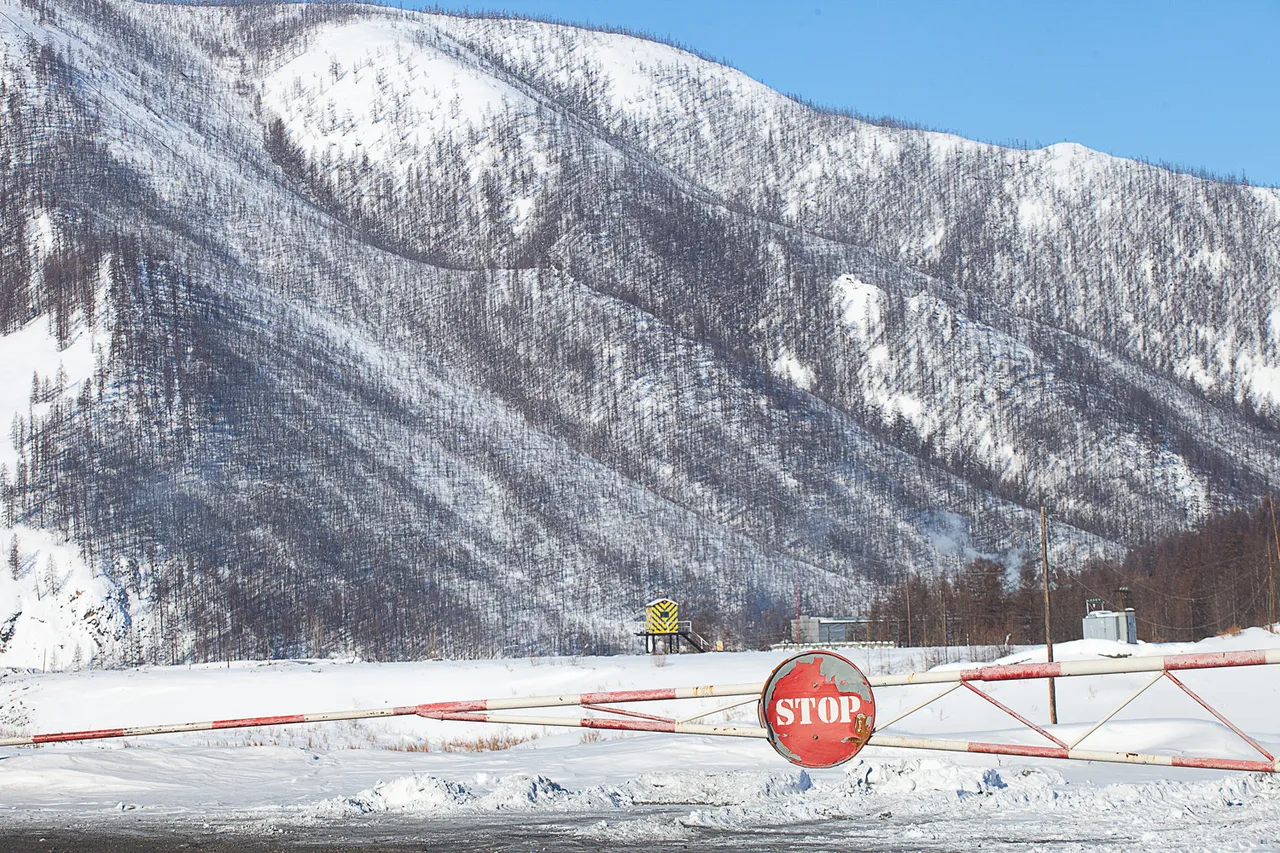
Their are privately held gold mines on the road.
18/41Their are privately held gold mines on the road. Those mines are heavily guarded not allowing anyone but the workers anywhere near their premises
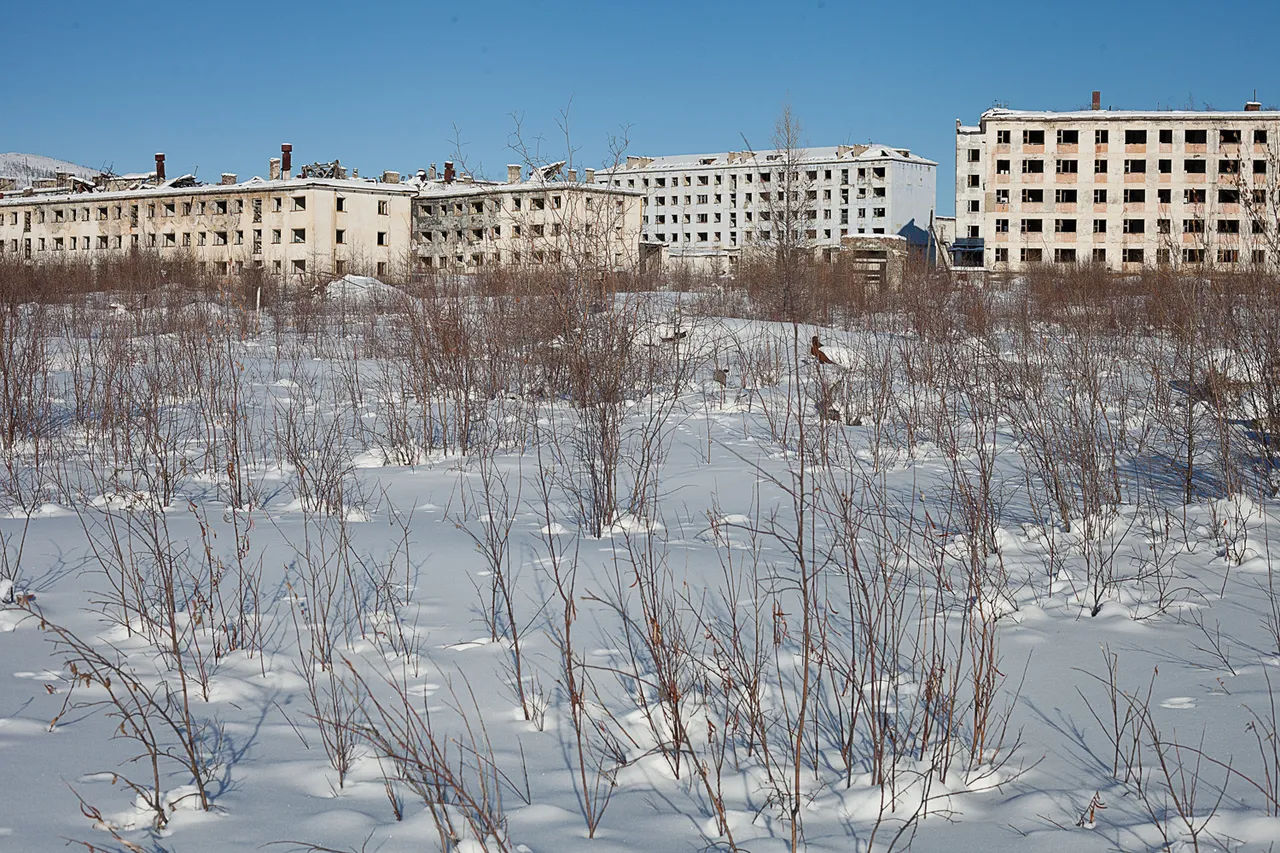
The ghost city of Kadykchan.
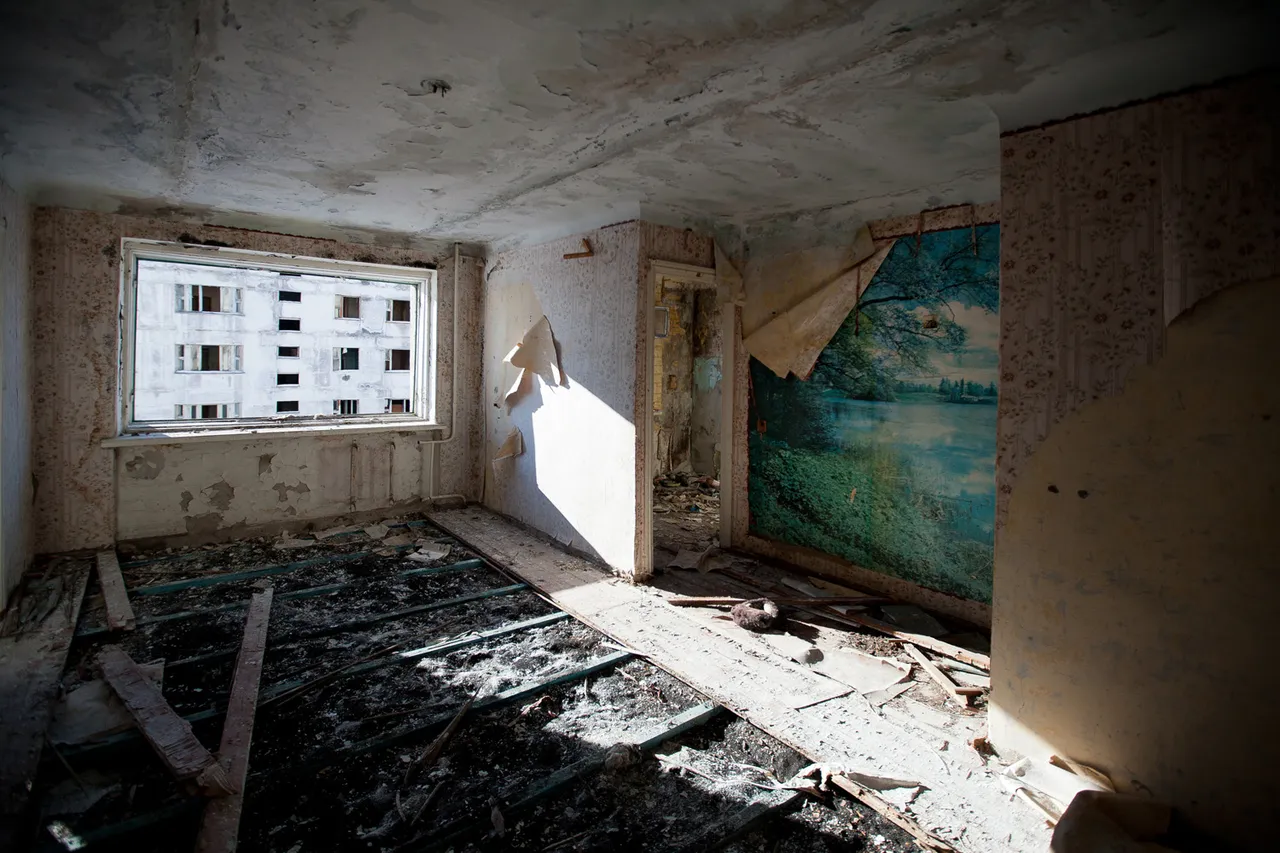
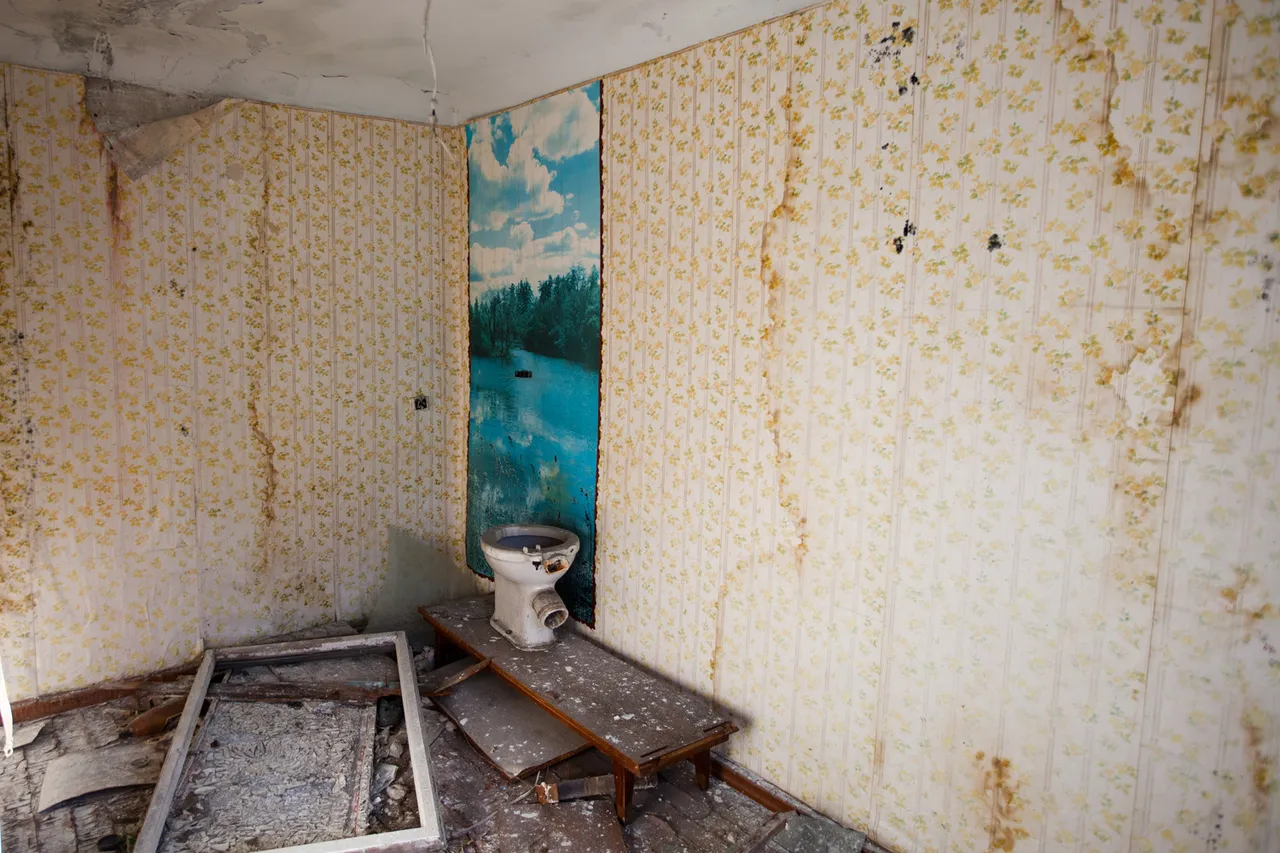
19/41The ghost city of Kadykchan. After the collapse of the Soviet Union, many coal and gold mines had gone through privatization. Few years later, some of them were then closed by their owners, leaving tens of thousands of people with no jobs causing them to abandon complete cities.
An empty apartment in the abandoned city of Kadykchan, where 20000 people had left at once during the year of 1992
20/41An empty apartment in the abandoned city of Kadykchan, where 20000 people had left at once during the year of 1992
Road of Bones, photograph 21
21/41
Road of Bones, photograph 22
22/41
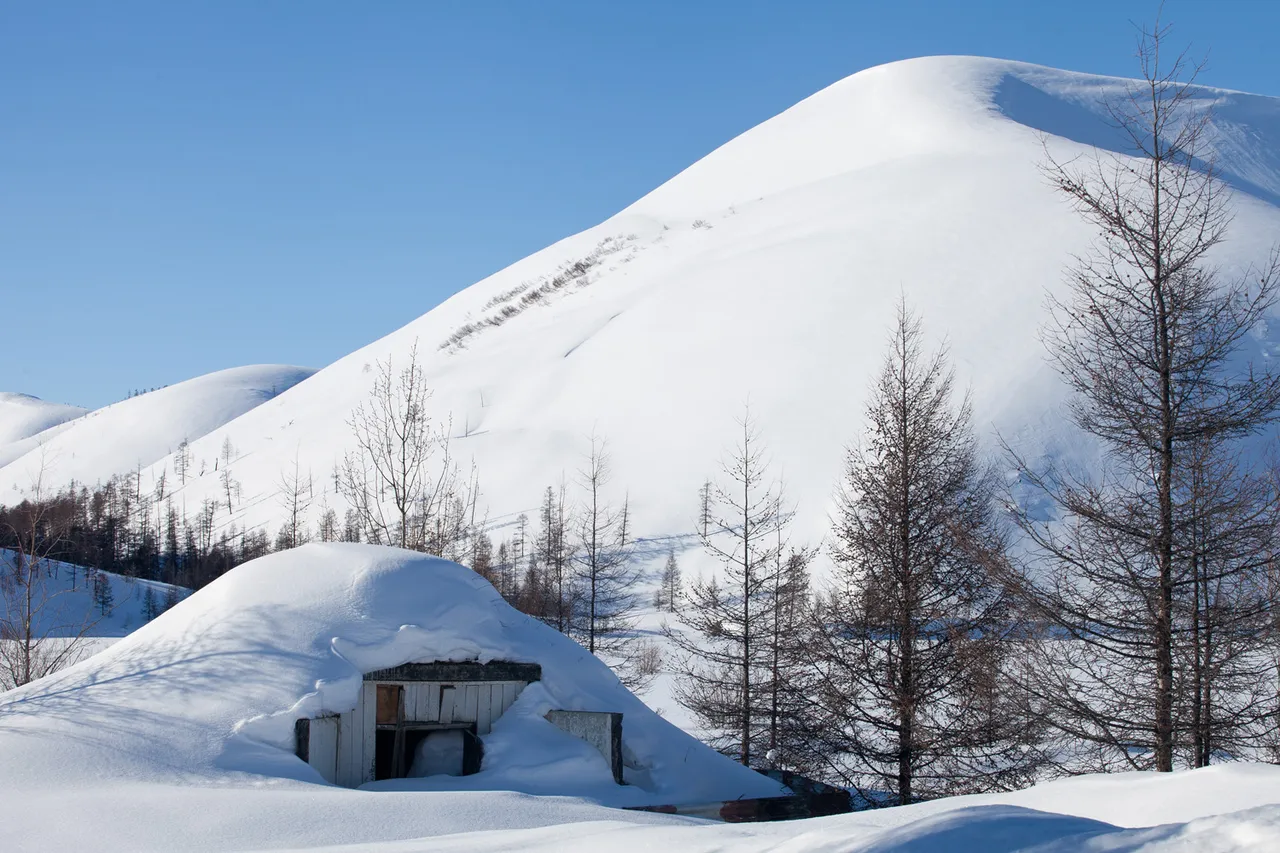
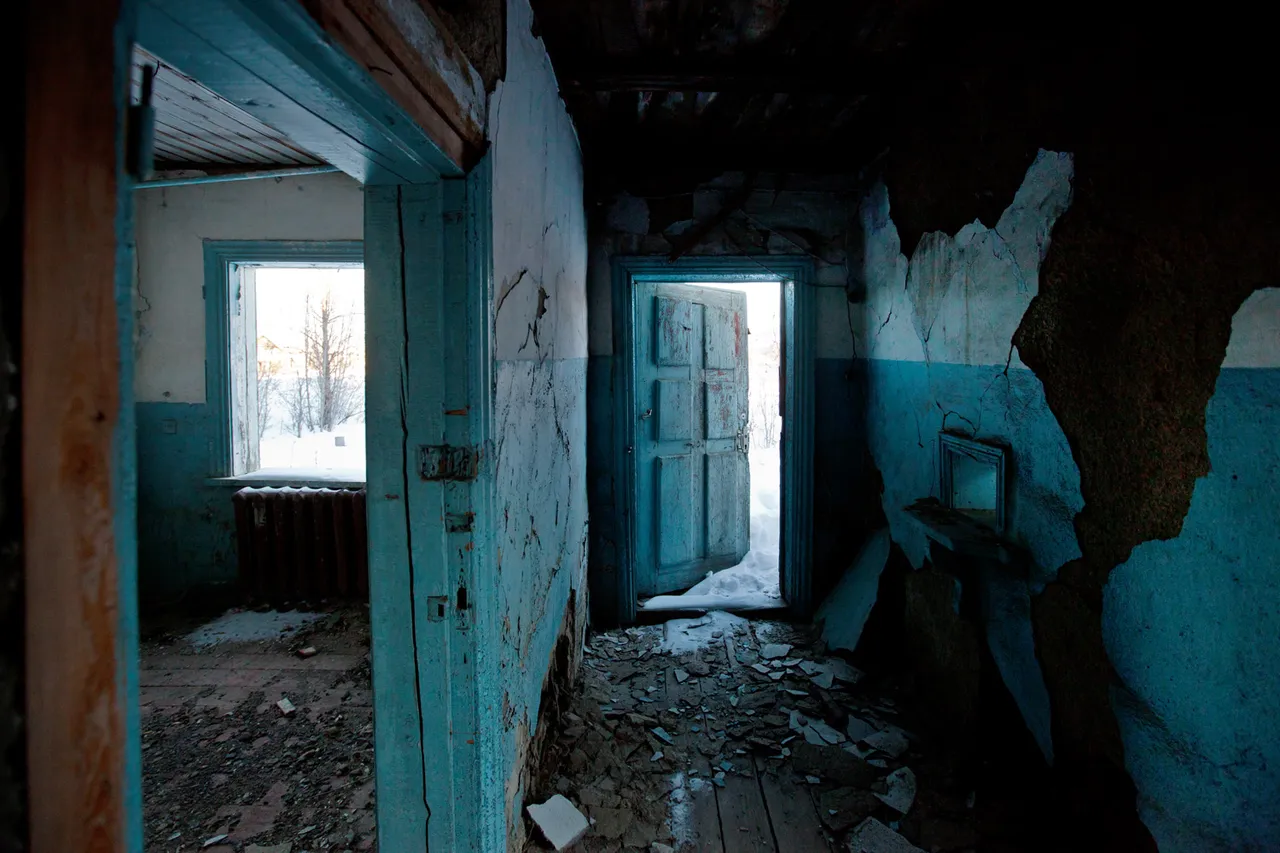
The remaining of an empty wooden shack in the abondand work camp of Kyubeme.
23/41The remaining of an empty wooden shack in the abondand work camp of Kyubeme. The place served as a transport station for the prisoners
Sunrise in the coal-miners city of Ust-Nera
24/41Sunrise in the coal-miners city of Ust-Nera
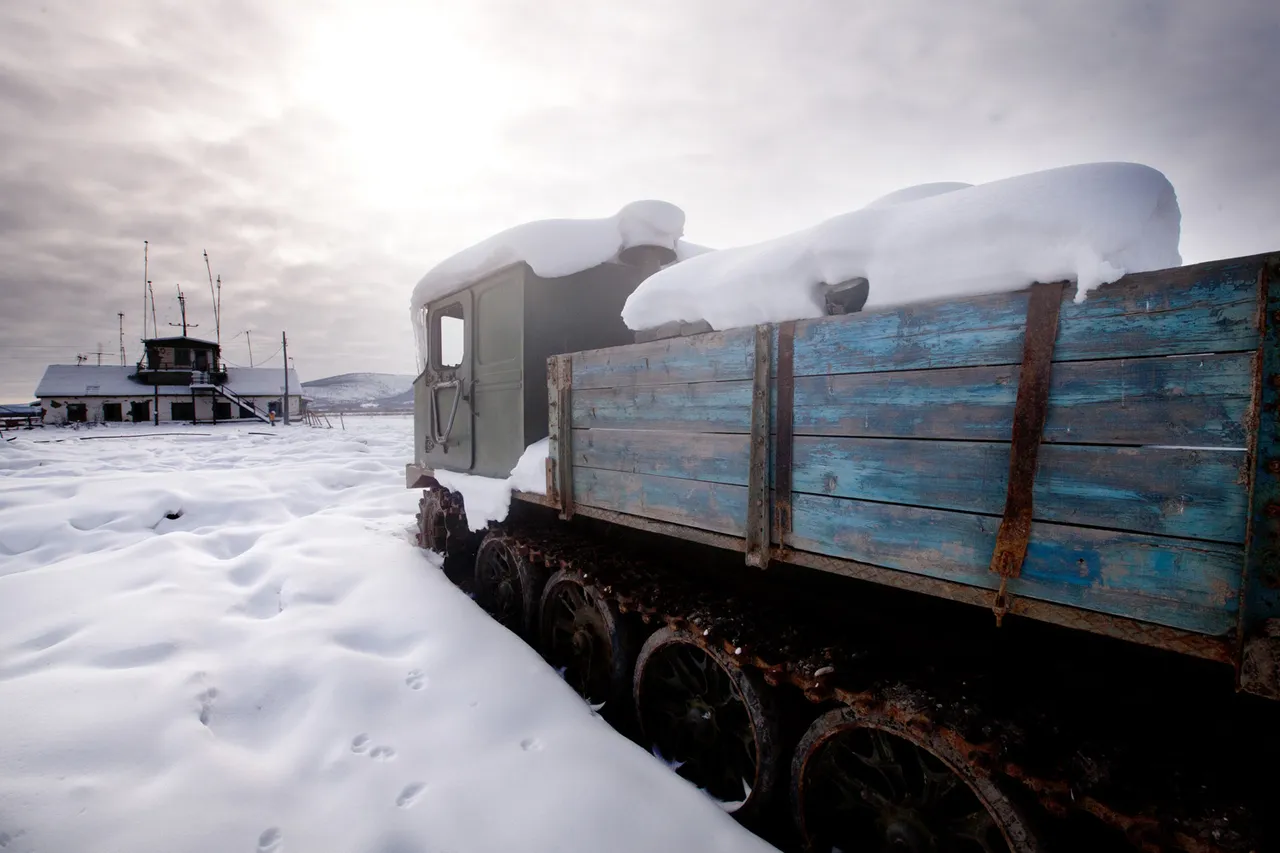
The old airport in the village Tomtor.
25/41The old airport in the village Tomtor. The airport was used as a refueling station during World War II by American pilots on their way to the war front. Many pilots crashed their planes due to the harsh fog and cold conditions.
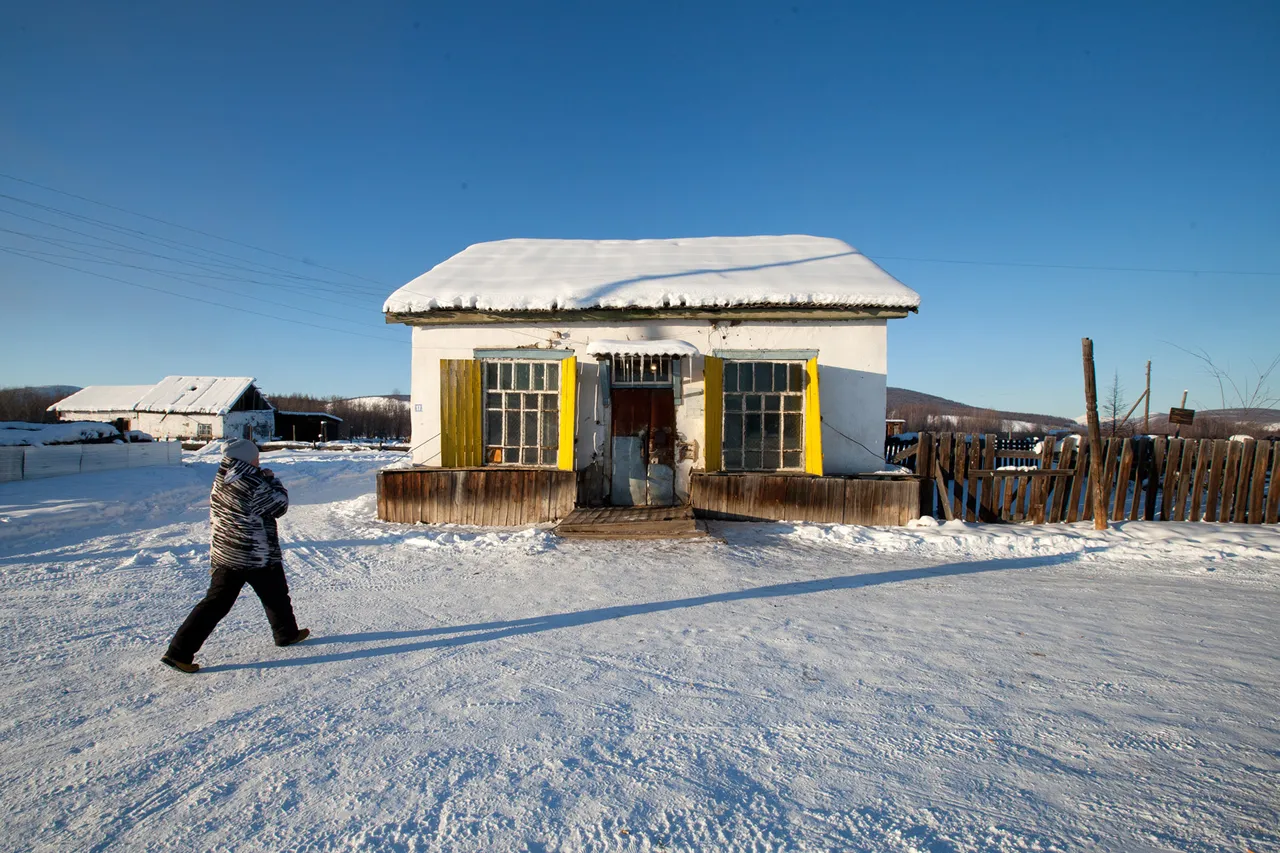
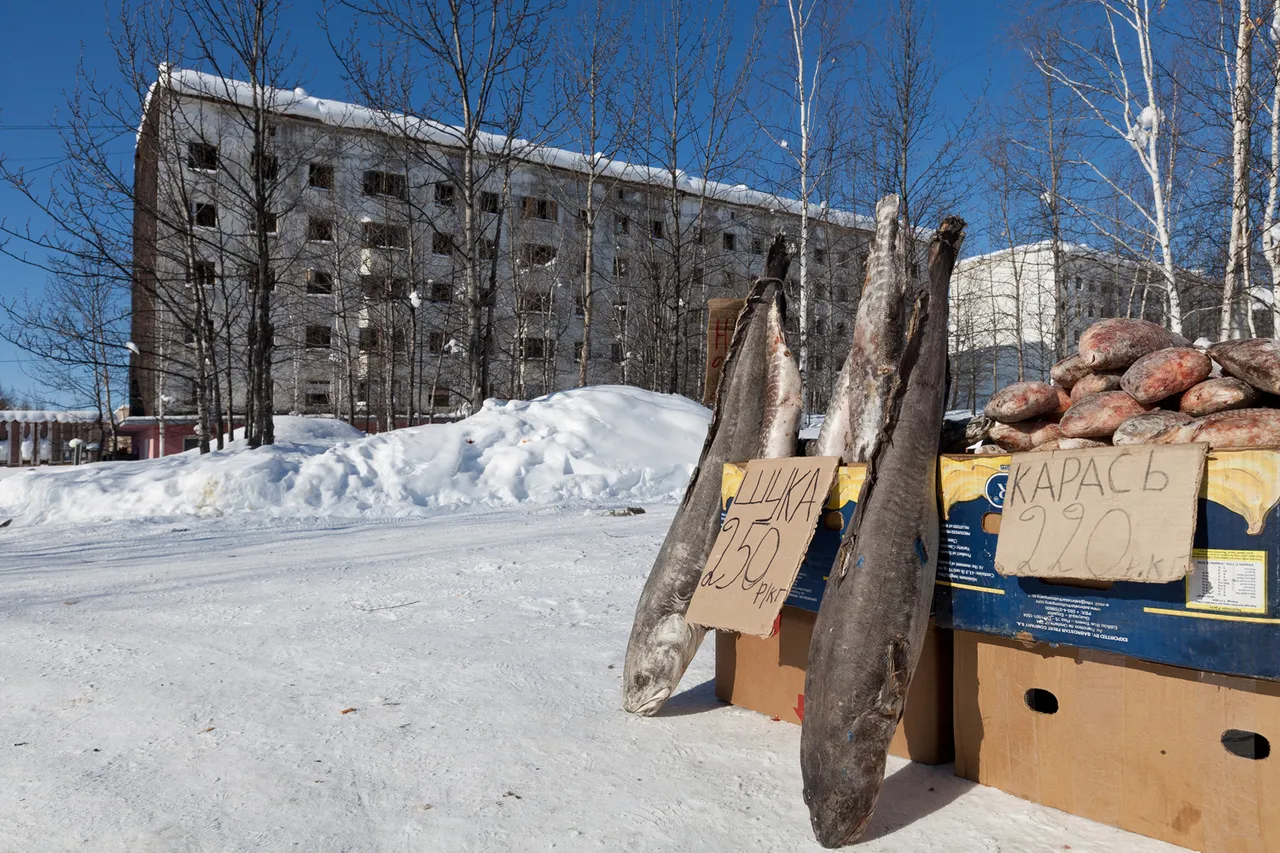
The city of Sinegorye was once a touristic city and part of the Blue Mountains area.
26/41The city of Sinegorye was once a touristic city and part of the Blue Mountains area. Today the city is mostly abandoned. Fish are sold by fishermen in the abandoned streets.
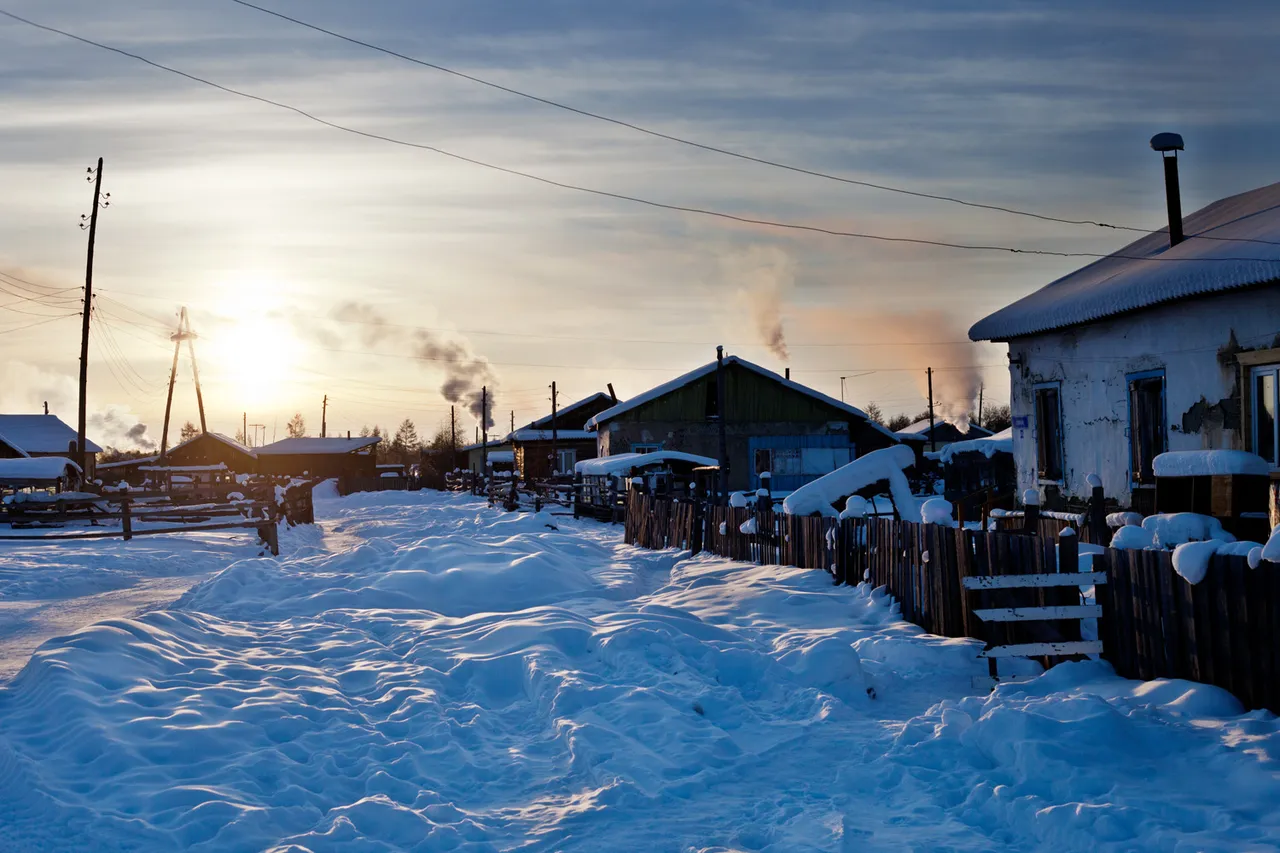
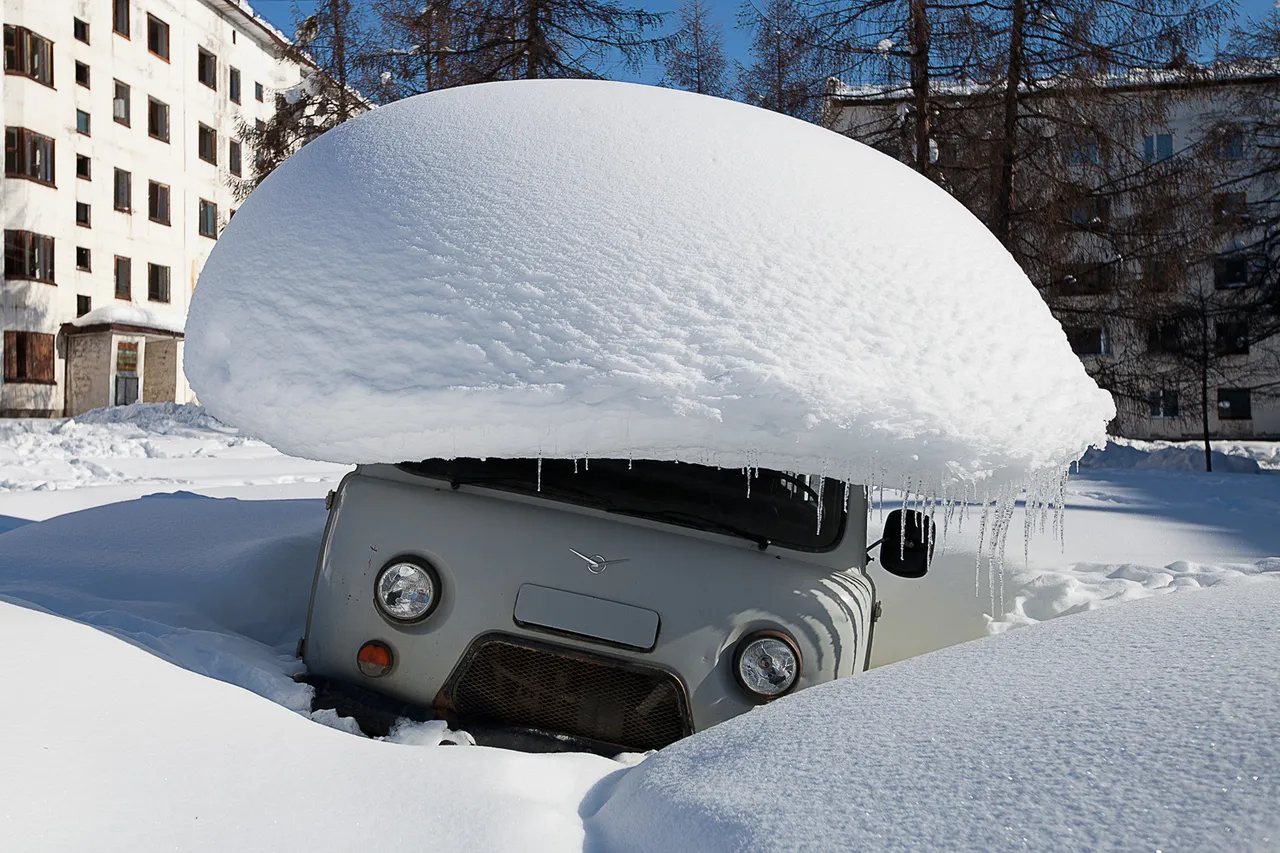
The snow fall may pile in winter up to meter and a half.
27/41The snow fall may pile in winter up to meter and a half. Cars must be left turned-on all the time, day and night or they will not be able to start. Most people cannot afford the fuel and leave their cars untouched during the winter months
Road of Bones, photograph 28
28/41
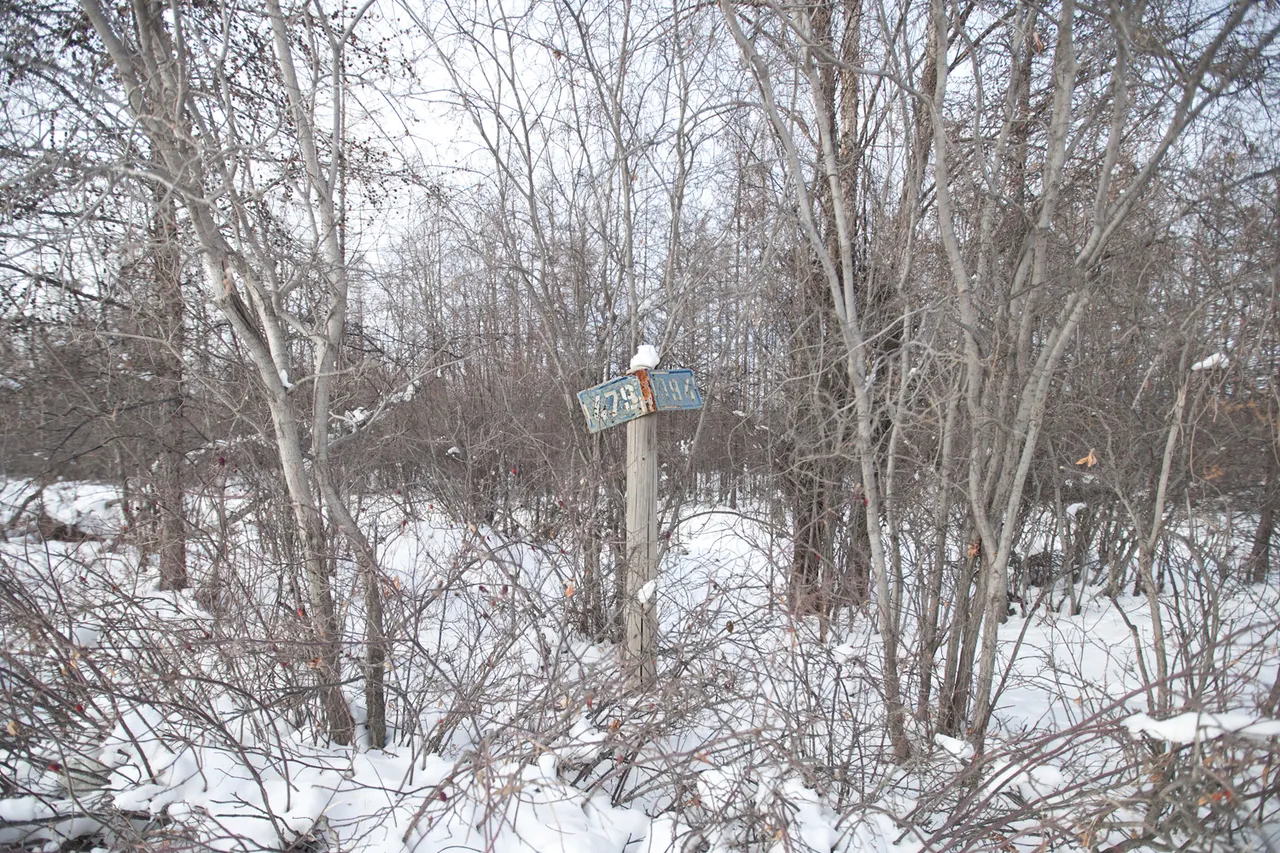
A very rare remnant of the old path of the road of bones - an original kilometers sign.
29/41A very rare remnant of the old path of the road of bones - an original kilometers sign. Such signs are sold illegally on the internet priced in the thousands of dollars
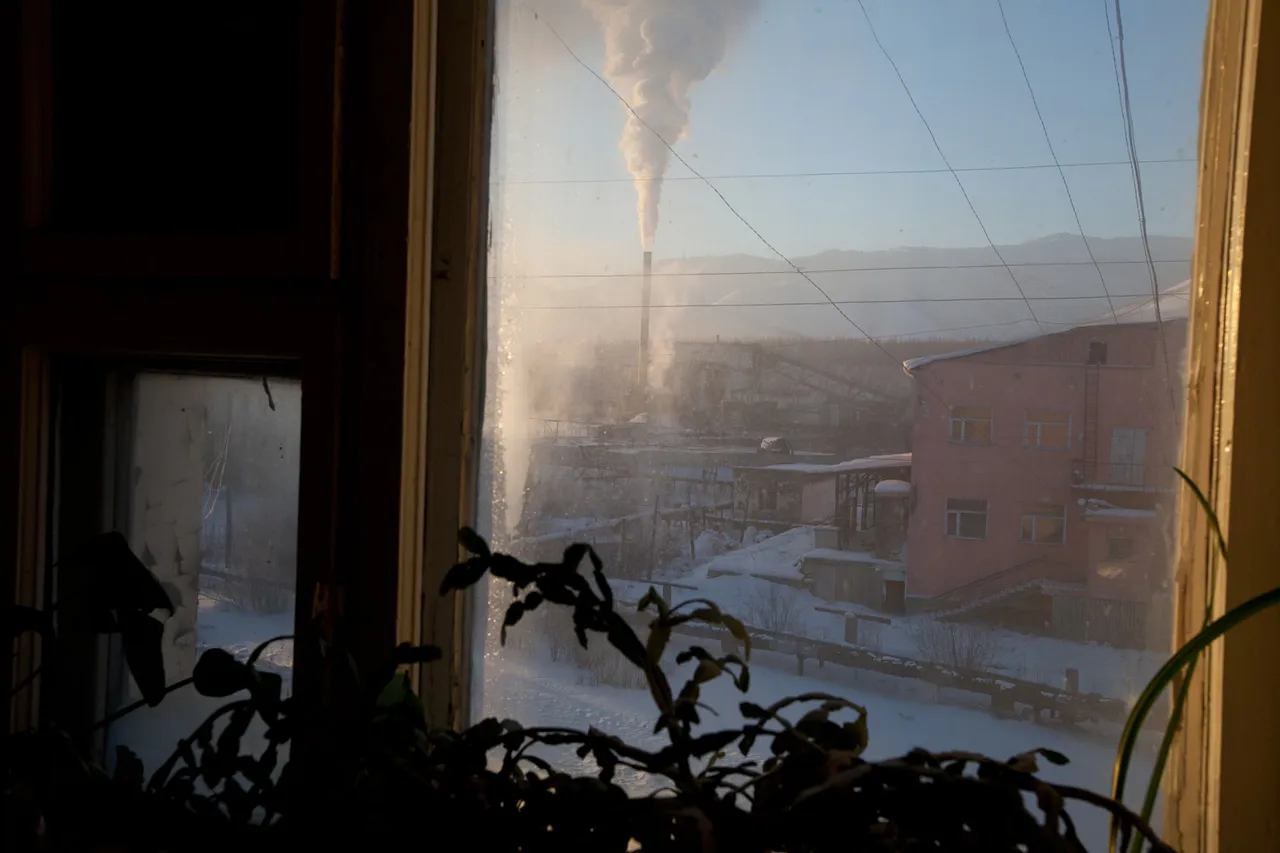
A morning view from the window of an apartment in the coal workers city of Ust-Nera.
30/41A morning view from the window of an apartment in the coal workers city of Ust-Nera.
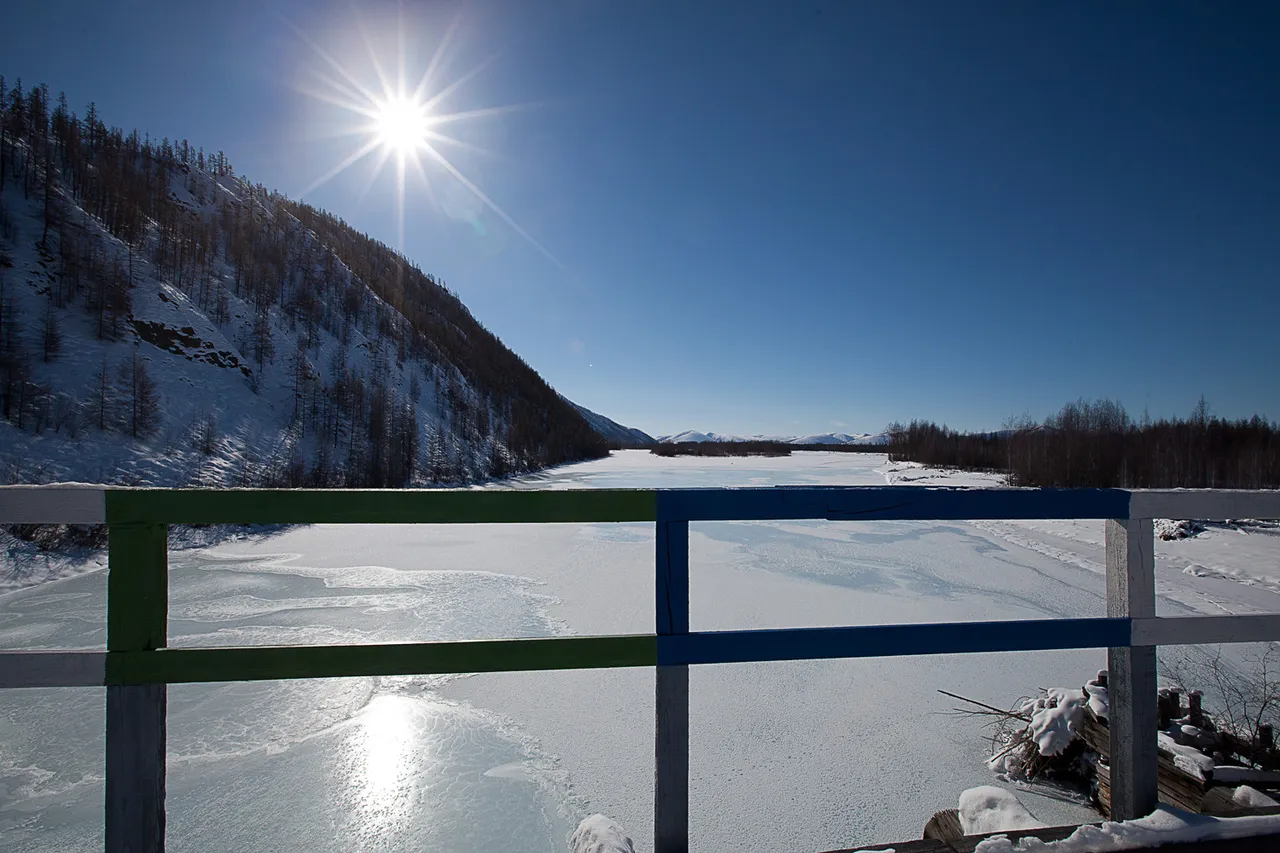
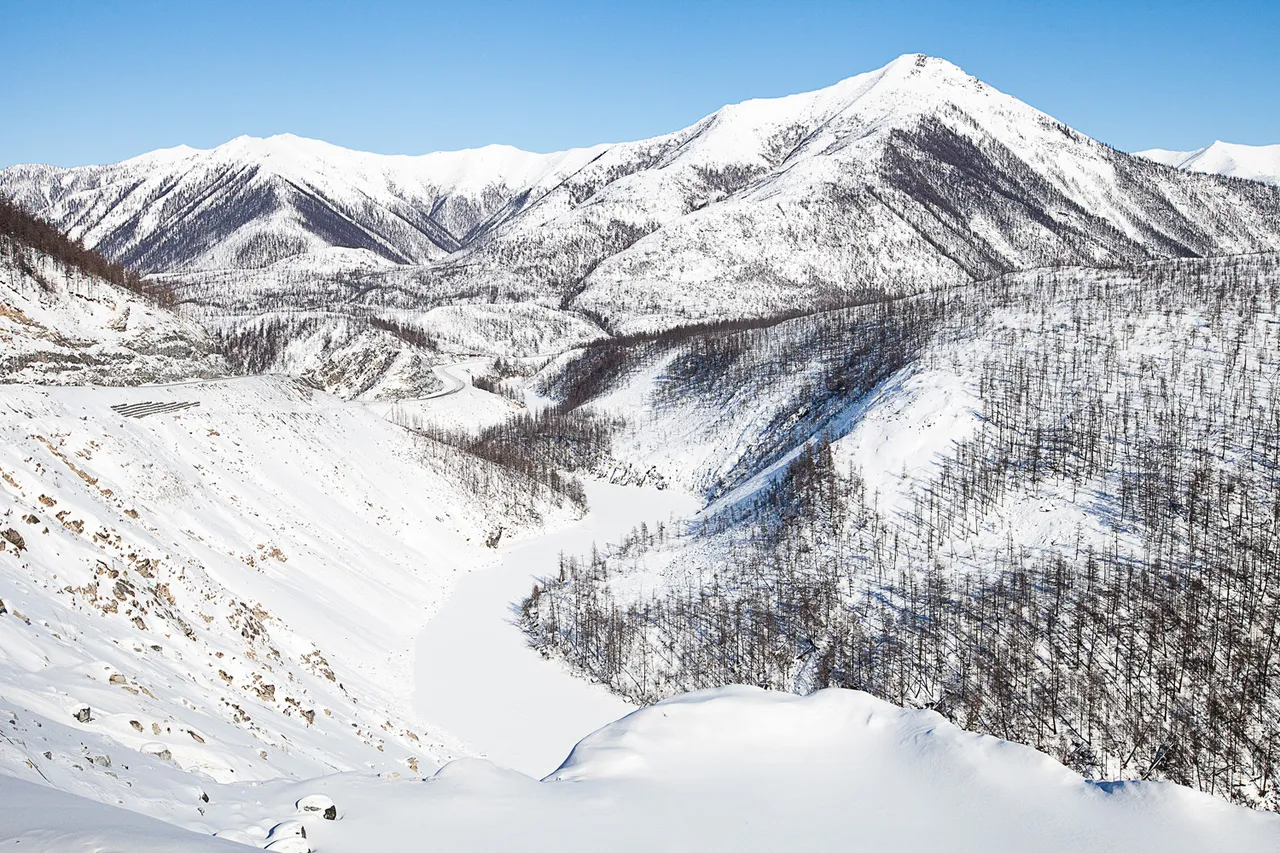
The Kolyma river originates from the Blue Mountains area and meets the Kolyma highway.
31/41The Kolyma river originates from the Blue Mountains area and meets the Kolyma highway.
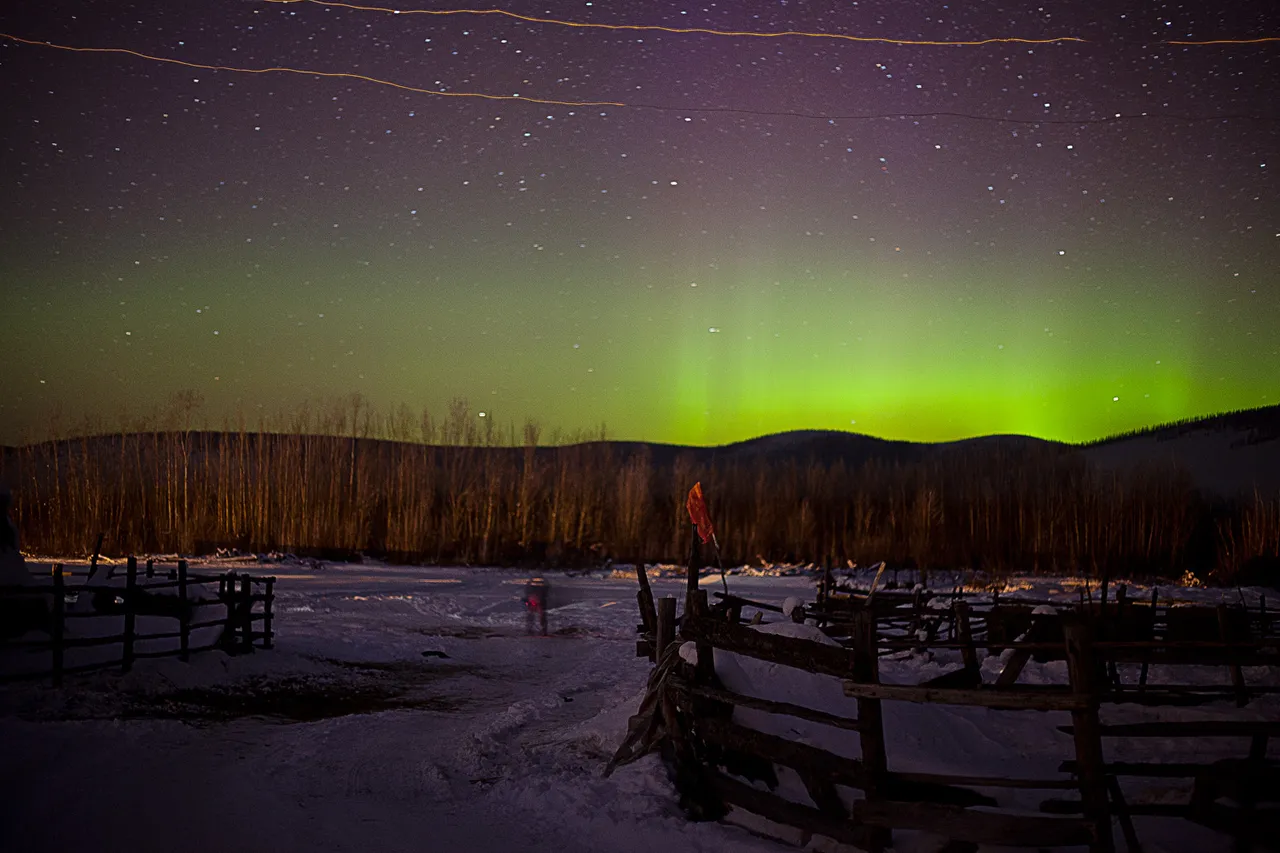
Being close to the polar circle, the Aurura effect can often been seen over the village of Oymyakon
32/41Being close to the polar circle, the Aurura effect can often been seen over the village of Oymyakon
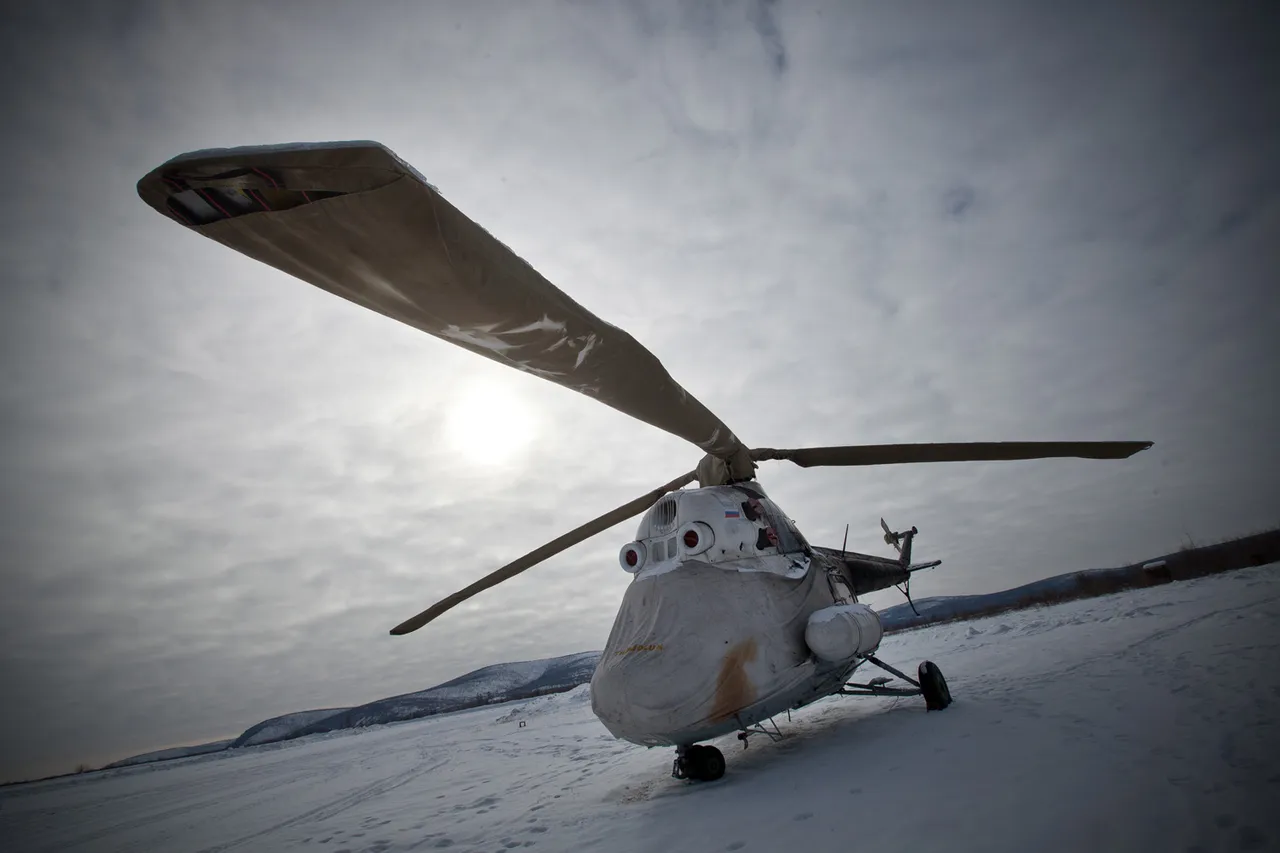
An old Mil MI-2 helicopter deserted in the Tomtor village historical airport
33/41An old Mil MI-2 helicopter deserted in the Tomtor village historical airport
Road of Bones, photograph 34
34/41
The local supermarket shop in the village of Oymyakon is open for an hour during the day
35/41The local supermarket shop in the village of Oymyakon is open for an hour during the day
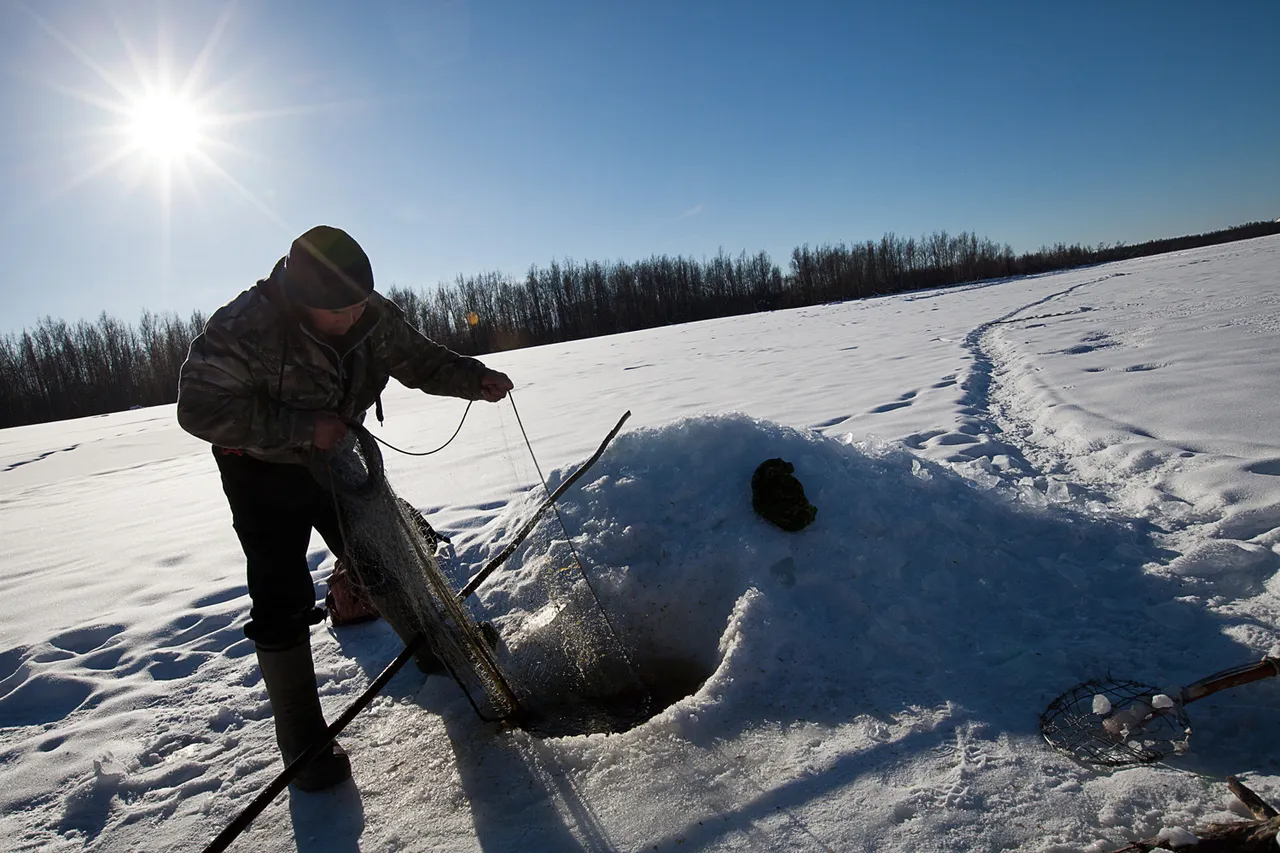
Yeger, a fisherman living near the village of Oymyakon casts fishing nets into a hole he dug in the icy river of Indigirka
36/41Yeger, a fisherman living near the village of Oymyakon casts fishing nets into a hole he dug in the icy river of Indigirka
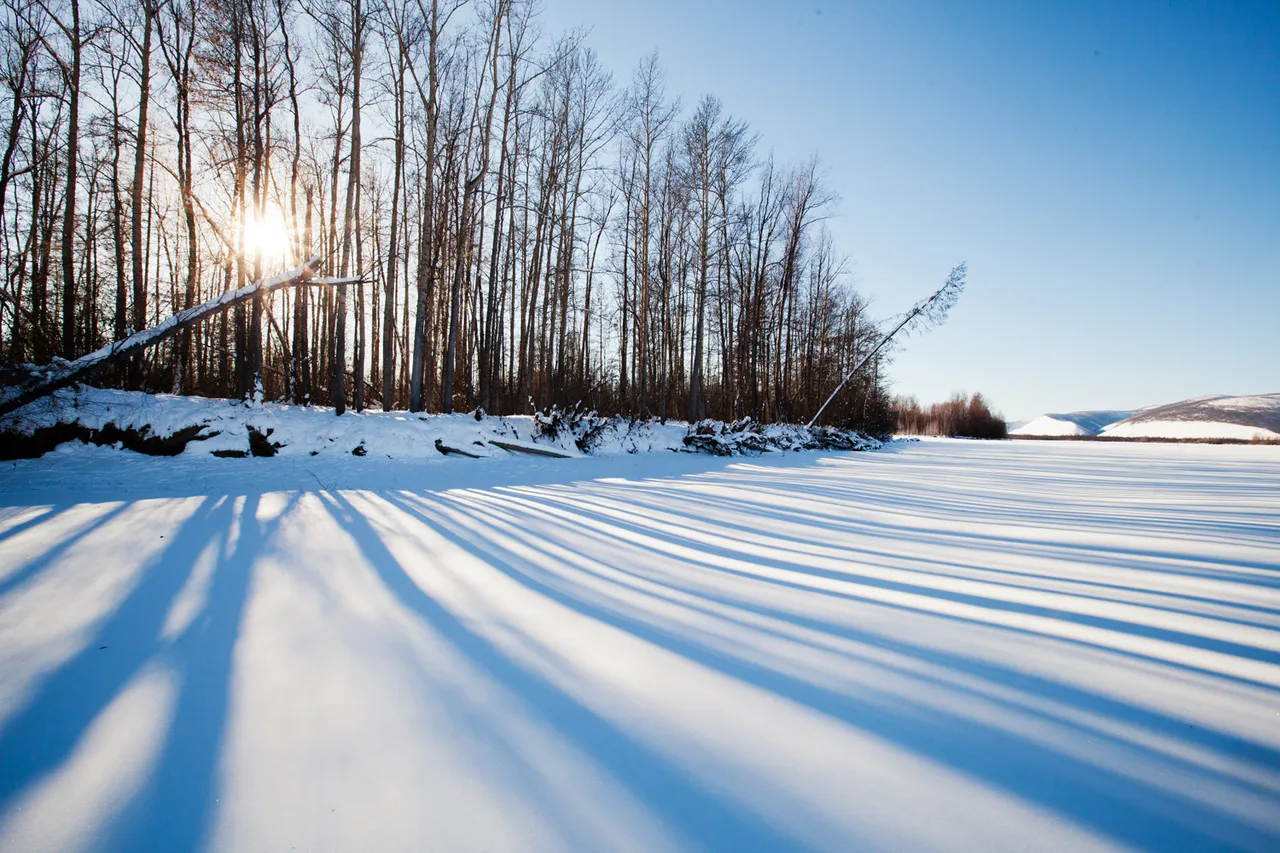
Trees are casting long shadows over the frozen river of Indigirka
37/41Trees are casting long shadows over the frozen river of Indigirka
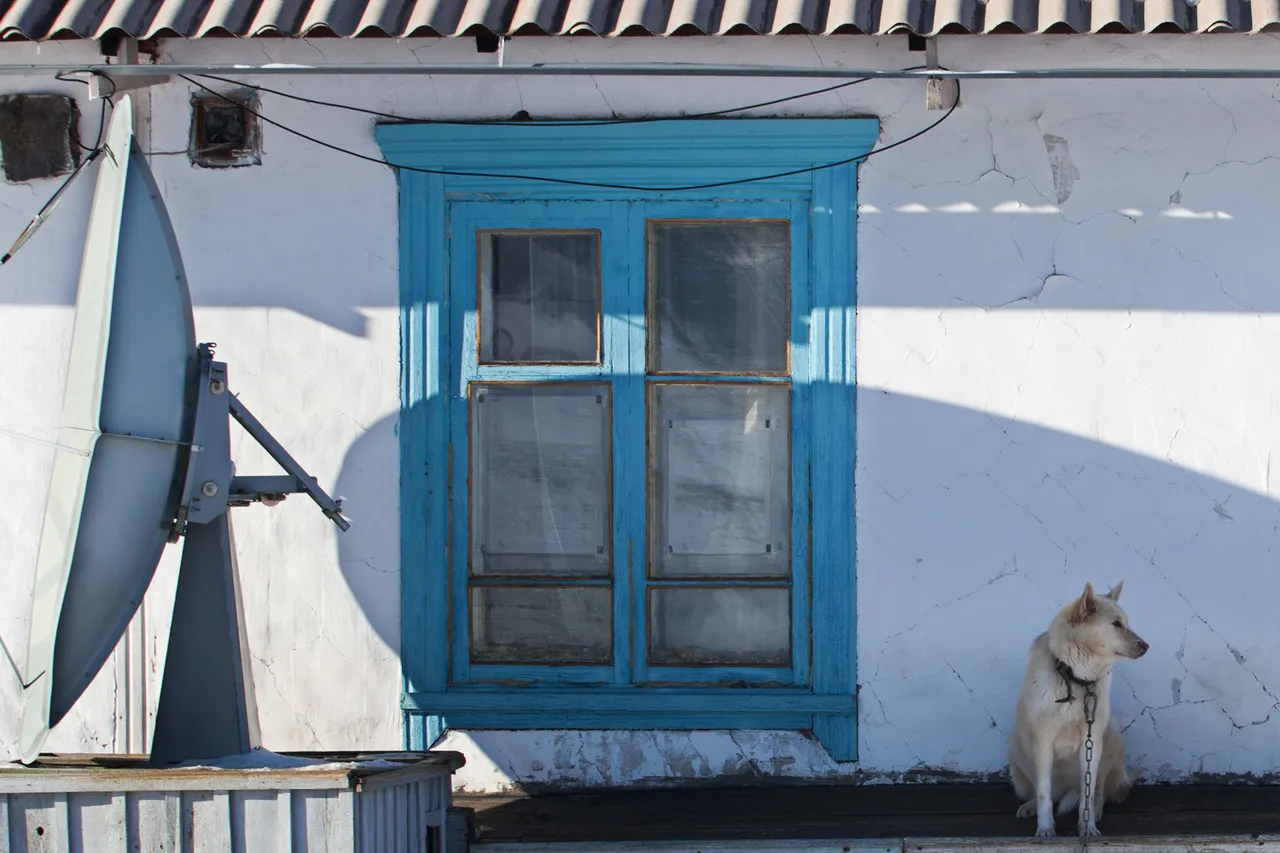
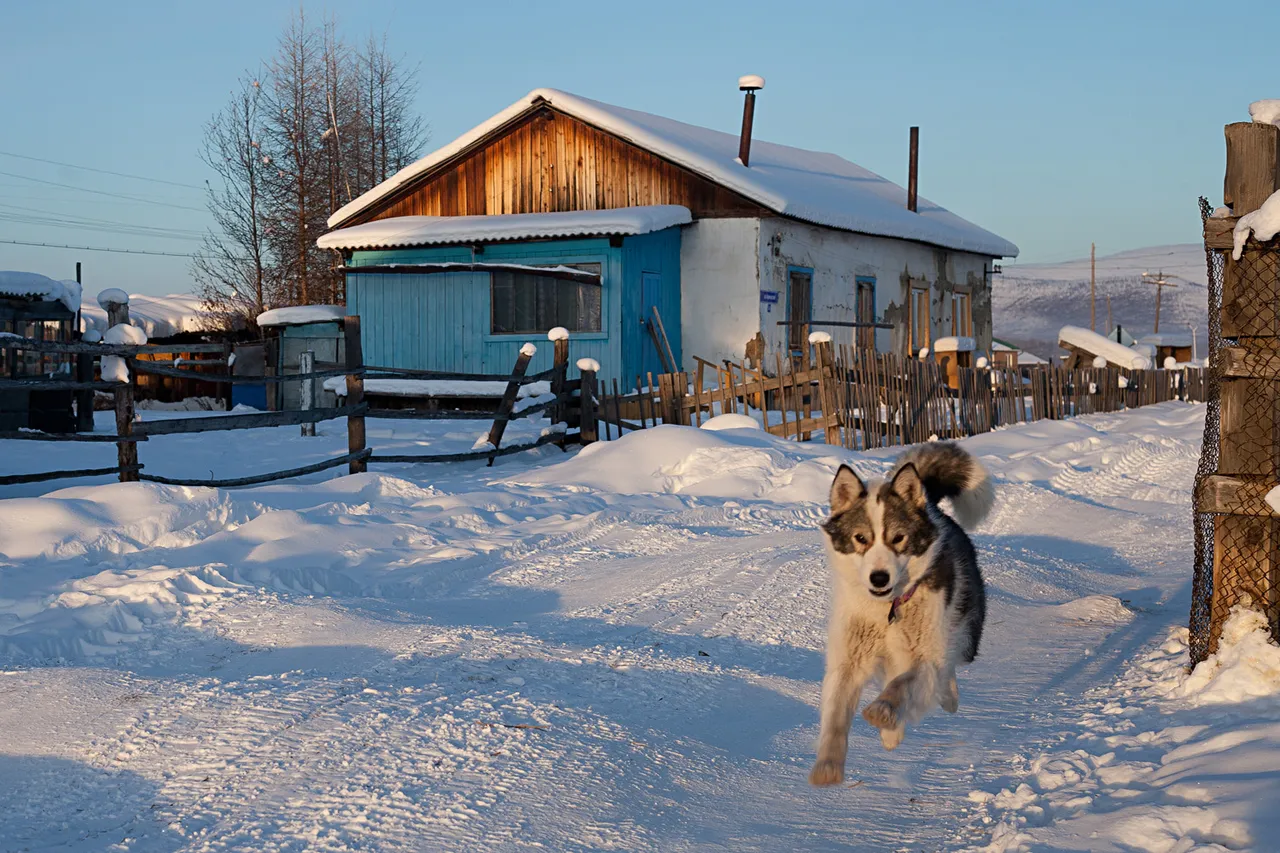
Most families in the villages have a watch dog outside their houses to warn them against wolves.
38/41Most families in the villages have a watch dog outside their houses to warn them against wolves. The dogs are of the Siberian Husky breed and are highly resilient to the extreme cold weather.
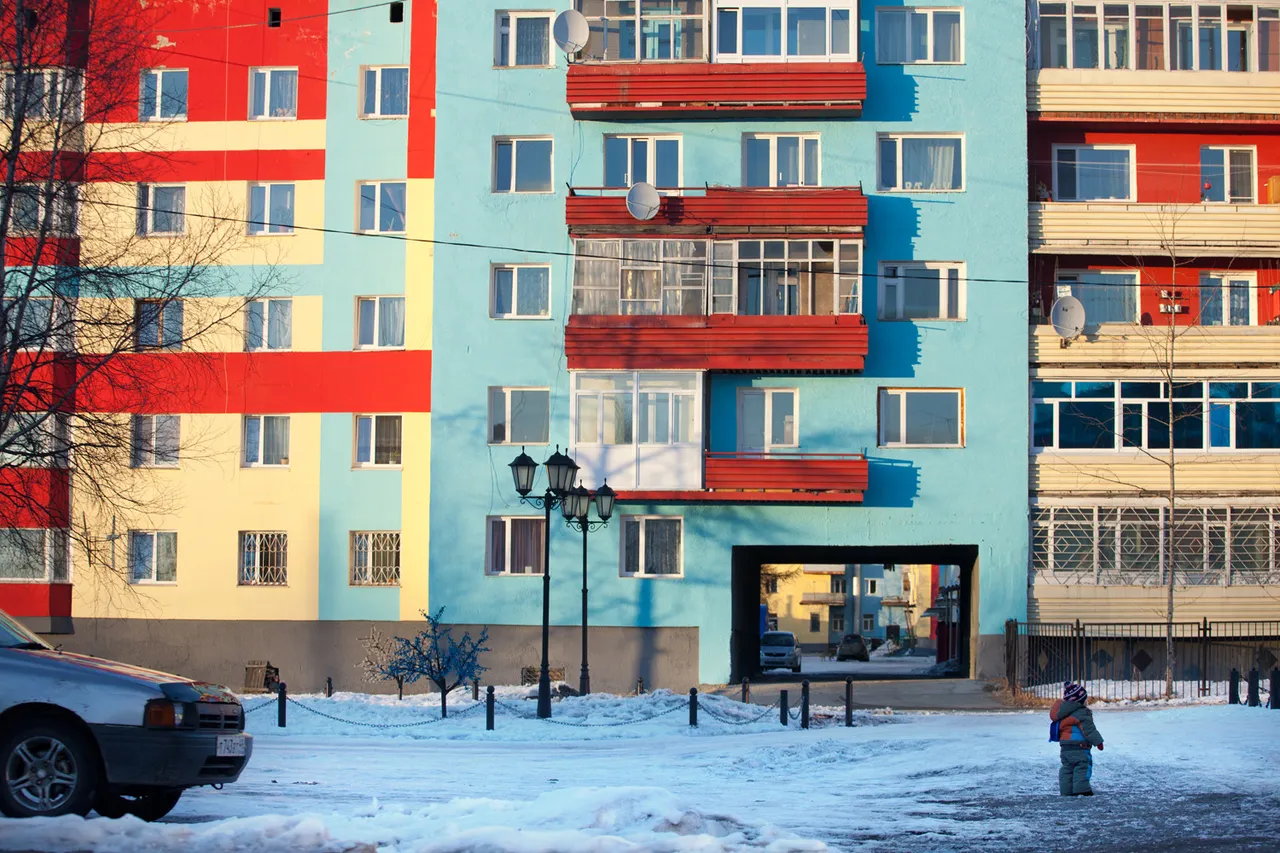
Palatka is one of the many miners towns spread accross the road of bones, but it stands out of the others as the olygarch who owns the mine spread his wings over the town attemp…
39/41Palatka is one of the many miners towns spread accross the road of bones, but it stands out of the others as the olygarch who owns the mine spread his wings over the town attempting to bring some color to the people
Road of Bones, photograph 40
40/41
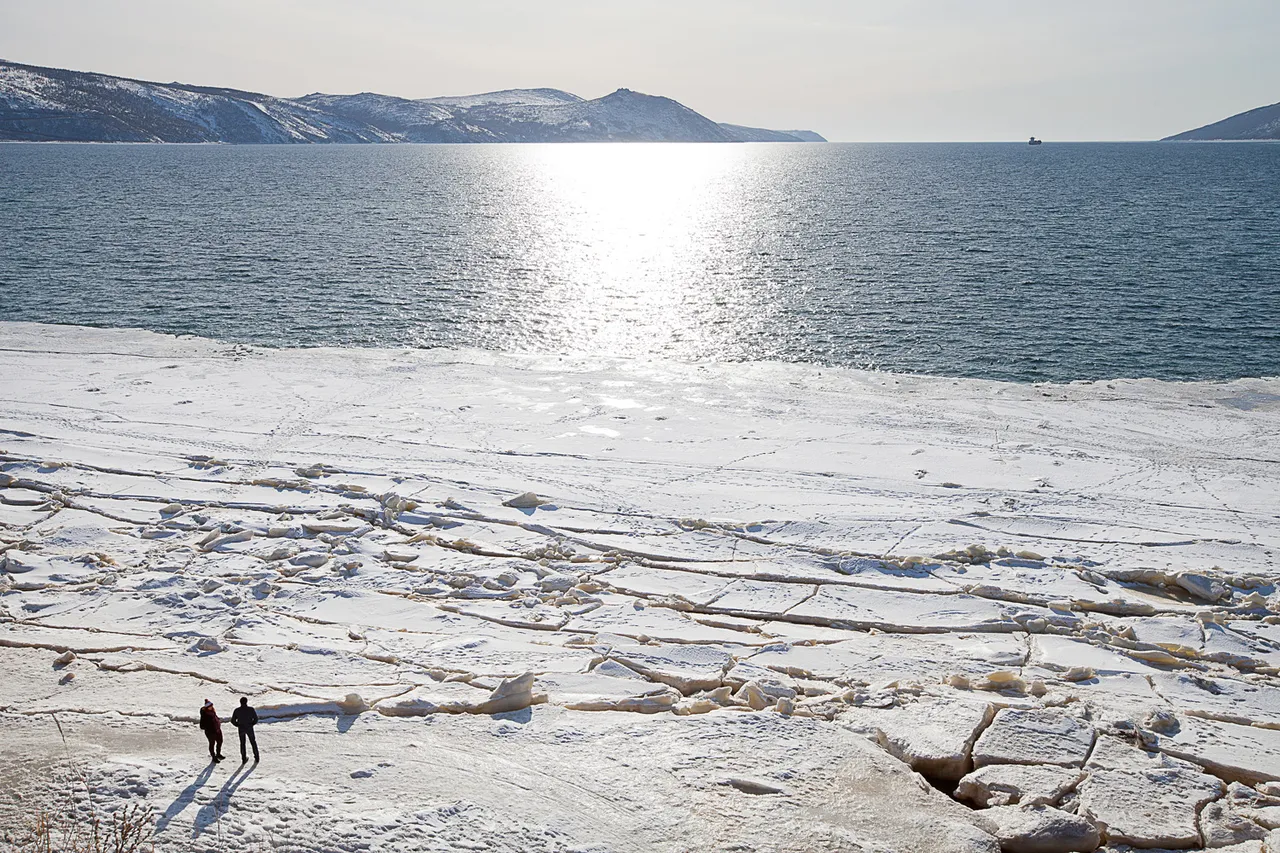
Magadan is the last city on the road of bones.
41/41Magadan is the last city on the road of bones. It has a large bay to the Okhotsk sea. The entire bay freezes during winter months, but ice-breaker boats clear the ice, allowing ships to come in. The bay and its port was used to bring prisoners to the work camps and road construction